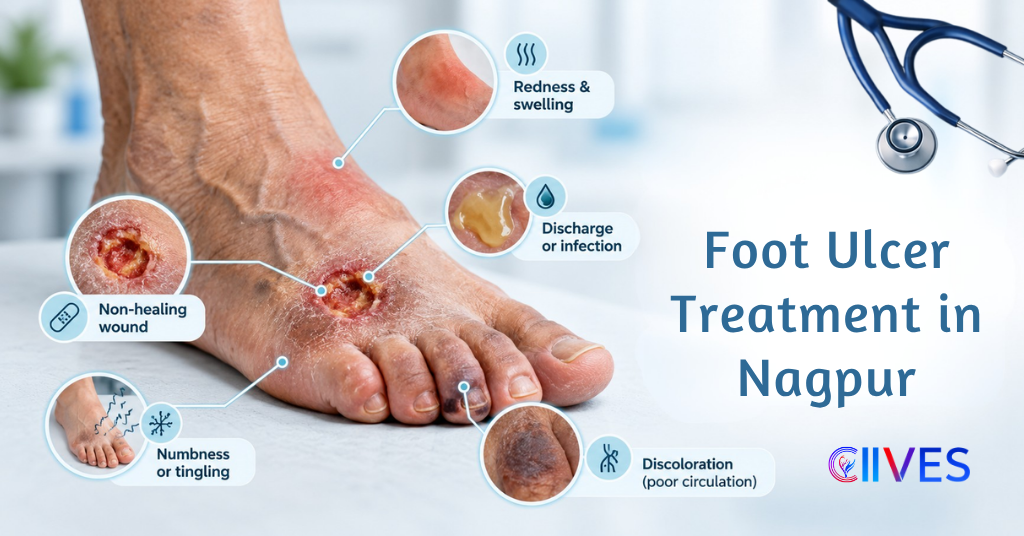
Foot Ulcer Treatment in Nagpur
Foot ulcer treatment depends on what is stopping the wound from healing. Care involves wound cleaning and debridement, advanced wound-healing techniques, pressure redistribution and infection management.
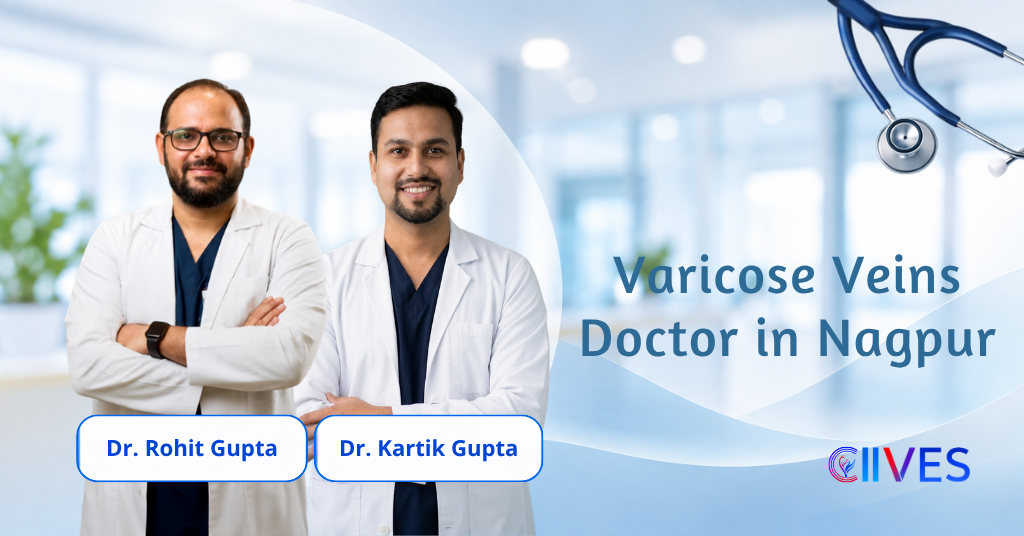
Varicose Veins Doctor in Nagpur
If you are looking for a varicose veins doctor in Nagpur, the right specialist is a vascular surgeon with experience in diagnosing and treating venous disease.
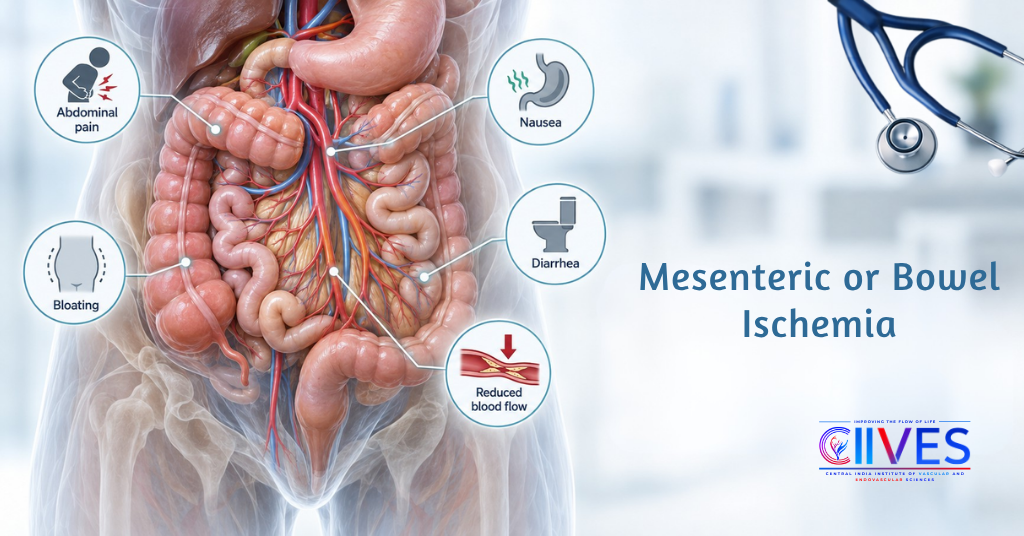
Mesenteric or Bowel Ischemia
Mesenteric ischemia (MeI): Occurs when reduced blood flow limits oxygen delivery to the intestine and surrounding organs, causing tissue injury and bowel necrosis.

A Curious Case of Fever & an 6-hour Race Against Time: Infected Aortic Aneurysm
An aortic aneurysm occurs when a weakened section of the aortic wall balloons outward. When infection reaches the vessel wall, however, it can cause inflammation and rapidly weaken the aorta.

Mesenteric Artery Bleeding or GI Bleed in Vascular Surgery
Mesenteric artery bleeding occurs when an artery supplying the intestines or one of its branches ruptures, leaks or tears.

Monsoon Foot Care: Essential Tips to Prevent Infections & Foot Ulcers
Monsoon increases the risk of foot infections by creating warm, damp conditions that encourage fungal and bacterial growth. Prolonged exposure to wet footwear, contaminated rainwater and unnoticed skin injuries can quickly lead to infections, particularly in people with diabetes, peripheral artery disease (PAD) and poor blood circulation.

Beyond Varicose Veins: 5 Procedures Vascular Surgeons Perform
Vascular surgeons treat all the diseases of arteries and veins, the most common being varicose veins. Apart from that, vascular surgeons also treat non-healing wounds, diabetic foot complications, dialysis issues with vascular access, cancer-related vascular problems, internal bleeding, complex vascular trauma and vascular emergencies.

Know Your ‘Vascular Age’
Your chronological age tells you how many years you’ve lived, but your vascular age tells you how well your arteries have held up through those years, and the two don’t always match. Healthy arteries remain flexible and efficiently carry oxygen-rich blood throughout the body.

Stages of Varicose Veins
Varicose veins rarely appear overnight; they progress gradually, often over years, through recognisable clinical stages. Understanding this progression, medically classified as C1-C6 under the CEAP system, helps patients recognise the early stages of varicose veins and seek timely care before the condition progresses to skin damage or ulcers.

Dialysis Access: Types, Procedure & Long-Term Care
Dialysis access is often referred to as the lifeline of haemodialysis because it allows blood to be safely removed, filtered and returned to the body during treatment. The type of access used can significantly influence dialysis effectiveness, complication rates and long-term outcomes.

Varicose Veins vs Spider Veins: Differences, Causes & Treatments
Spider veins and varicose veins are common vein conditions in the Nagpur region, and at CIIVES, they account for one in three OPD consultations. Although they may appear similar, they differ significantly in size, symptoms, clinical significance and treatment requirements.

Varicose Veins in Pregnancy: Risks, Prevention & Safe Treatment
Varicose veins in pregnancy develop due to hormonal changes, increased blood volume and pressure from the growing uterus on pelvic and leg veins. While they commonly cause leg heaviness, swelling and visible vein enlargement, most cases can be managed safely with conservative measures such as compression therapy, exercise and leg elevation.

Swollen Legs or Leg Edema: Causes, Treatment & When to See a Doctor
Leg edema or swollen legs develop due to fluid buildup in the tissues and may result from vascular disease, poor circulation, pregnancy or prolonged standing. It can also occur due to systemic conditions such as heart failure, kidney disease, liver disease or lymphatic disorders that affect the body’s ability to regulate fluid balance.

Abdominal Aortic Aneurysm (AAA) Treatment: Rupture & Repair
Modern abdominal aortic aneurysm treatment includes identifying risk factors to regularly monitor susceptible populations. For small aneurysms, a wait-and-watch strategy is preferred, and for large or symptomatic aneurysms, surgical repair is advised.
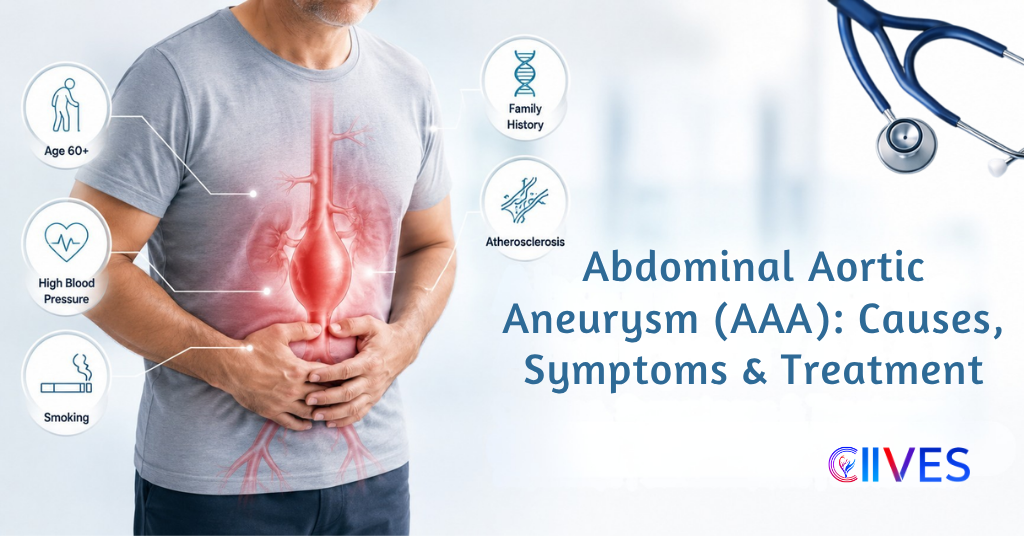
Abdominal Aortic Aneurysm (AAA): Causes, Symptoms & Treatment
An abdominal aortic aneurysm (AAA) is a progressive vascular condition where the wall of the aorta weakens and bulges outward like a balloon. Normally, the aorta is flexible enough to compensate for minor variations in blood pressure, but a weakened area of the wall results in abnormally large ballooning of the vessel in that region.

Gangrene: Causes, Symptoms & Prevention
Gangrene symptoms begin with subtle changes, such as skin colour changes, localised pain, or numbness, which may be overlooked in the early stages.

Diabetic Foot Ulcer Treatment Options
Diabetic foot ulcer treatment focuses on healing the wound, controlling infection and improving circulation to prevent complications. Management involves pressure offloading, wound debridement, antibiotics and revascularisation.

Diabetic Foot Ulcer: Causes, Symptoms & Treatment
Diabetic foot ulcers begin as small, unnoticed injuries but can progress into serious complications if not identified early. Symptoms such as persistent wounds that don’t heal for 4-6 weeks, swelling, discharge or blackish skin discolouration indicate underlying tissue damage and impaired healing.
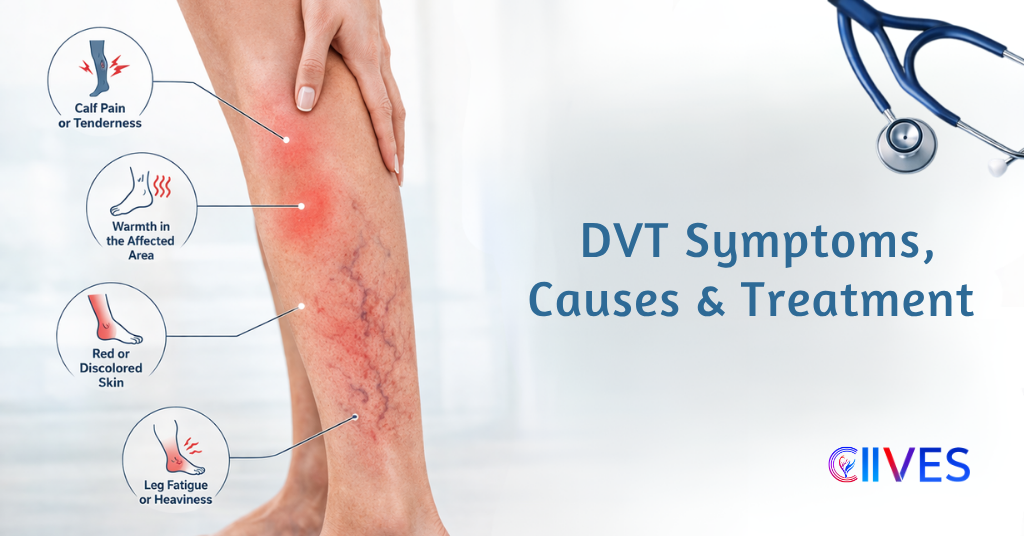
DVT Symptoms, Causes & Treatment
Early signs of deep vein thrombosis (DVT) are sudden swelling in one leg with pain, although most cases remain asymptomatic. These symptoms are based on underlying causes such as reduced blood flow, vein injury or increased clotting tendency.

Deep Vein Thrombosis (DVT) Treatment
DVT treatments focus on preventing the clot from growing, reducing the risk of pulmonary embolism (PE) and restoring venous circulation. The management of DVT includes anticoagulant therapy as the first line of treatment.
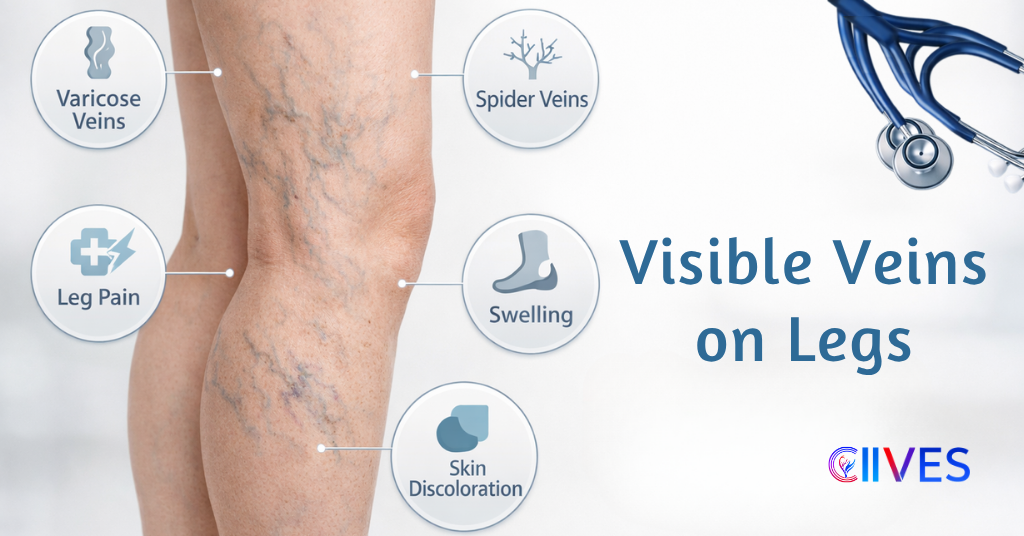
Visible Veins on Legs
Visible veins on legs: Can be small spider veins or bulging, twisted varicose veins; indicate venous circulation issues in the legs.

Compression Stockings For Varicose Veins
Compression stockings for varicose veins: Specialised elastic garments designed to improve circulation in the legs affected by venous insufficiency.

Laser Treatment for Varicose Veins
Laser for varicose veins is an established, ultrasound-guided procedure that uses a laser fibre to deliver heat and close the problematic veins. By sealing the affected vein from within, it improves circulation and relieves symptoms such as pain, heaviness and swelling. With strong clinical success rates and short recovery time.

Do Varicose Veins Increase DVT Risk?
Varicose veins affect the superficial veins — the vessels closer to the skin’s surface. They develop when the one-way valves inside these veins weaken, causing blood to pool in the legs
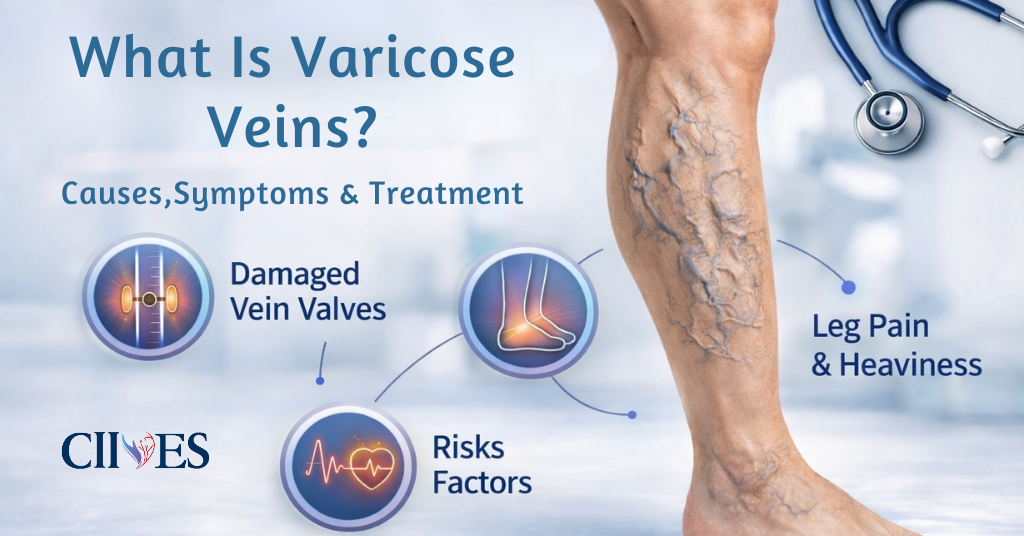
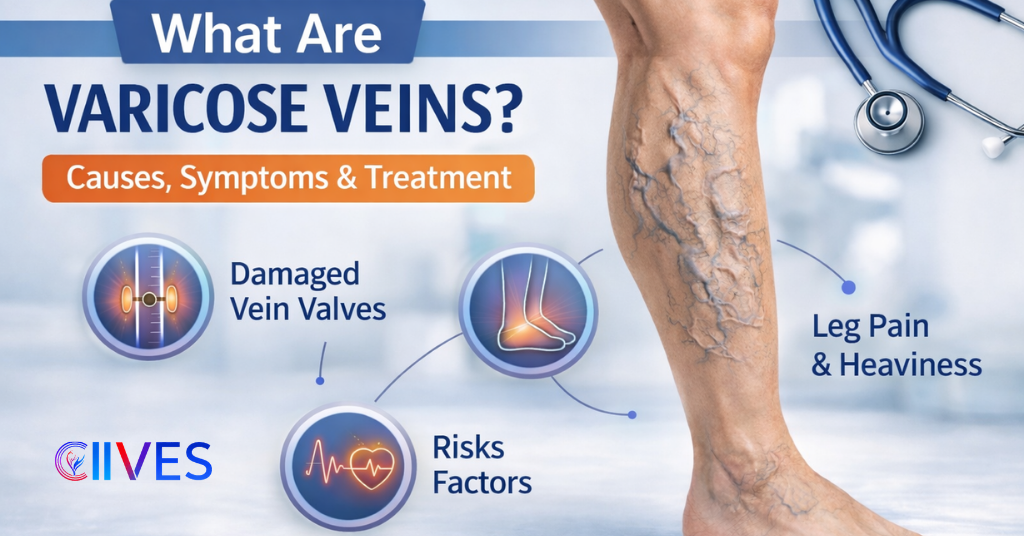
What Is Varicose Veins?
Varicose veins are enlarged, twisted superficial veins that develop due to chronic venous insufficiency, a condition in which leg veins cannot return blood efficiently to the heart. Varicose veins are a sign of an underlying circulation problem, just like fever or chest pain is a sign of an underlying health issue.
Varicose Veins Treatment: Laser vs VenaSeal vs Sclerotherapy
Modern varicose vein treatment options are safe, quick, and minimally invasive, offering minimal discomfort and a faster recovery. Early-stage varicose veins can be managed with conservative approaches, such as lifestyle modifications, compression stockings, or sclerotherapy.

Symptoms of PAD
Symptoms of PAD typically worsen as arterial narrowing progresses. They may range from mild exertional discomfort, rest pain, to severe limb-threatening complications.

Varicose Veins: Causes & Risk Factors
Varicose” means something that is abnormally swollen or enlarged. Varicose veins are deep vessels of the leg that have become swollen, twisted, and visibly raised. They commonly appear bluish or purple because the veins carry deoxygenated blood and most often affect the legs, where blood has to flow against gravity.

Symptoms of Varicose Veins
When vein valves fail, blood flows backwards and pools in the veins. Over time, this causes the vein walls to stretch, making them varicosed: twisted and swollen.

Causes & Risk Factors of PAD
You must have heard of someone experiencing a heart attack and undergoing angioplasty to clear the blocked artery. Similarly, Peripheral Artery Disease (PAD) affects the arteries in your legs/arms instead of the heart.

What is Vascular Surgery?
Do you have bulging veins on your calves or ankles? Or do you feel pain in your legs while walking? These signs aren’t just age catching up — they could be early warnings of blocked blood vessels in your limbs.

Who Are Vascular Surgeons?
Our body has a network of blood vessels called arteries that carry blood away from the heart and veins that bring it back. Vascular surgeons are experts who keep the blood flowing to prevent strokes or limb loss.

AV Fistula for Dialysis
An arteriovenous (AV) fistula is a small surgical connection made between an artery and a vein, usually in the arm, and sometimes in the leg. It allows blood to flow steadily during dialysis. It is considered the safest and most reliable access for long-term dialysis.