Quick Answer
- Varicose veins cause: Weakened or damaged vein valves, which disrupt blood return and lead to pooling.
- Visible changes: Most noticeable in areas affected by gravity — particularly the lower legs, where veins appear varicosed under the skin.
- Early signs: May begin as spider veins: fine, reddish or purple lines that lie closer to the skin’s surface.
- Possible symptoms: Although varicose veins aren’t always painful; some individuals experience heaviness, itching, or leg cramps,
If you’ve noticed bulging, bluish, twisted veins in your legs or ankles, you probably have varicose veins.
This guide helps you understand varicose veins causes and risk factors.
What are Varicose Veins?
“Varicose” means something that is abnormally swollen or enlarged.
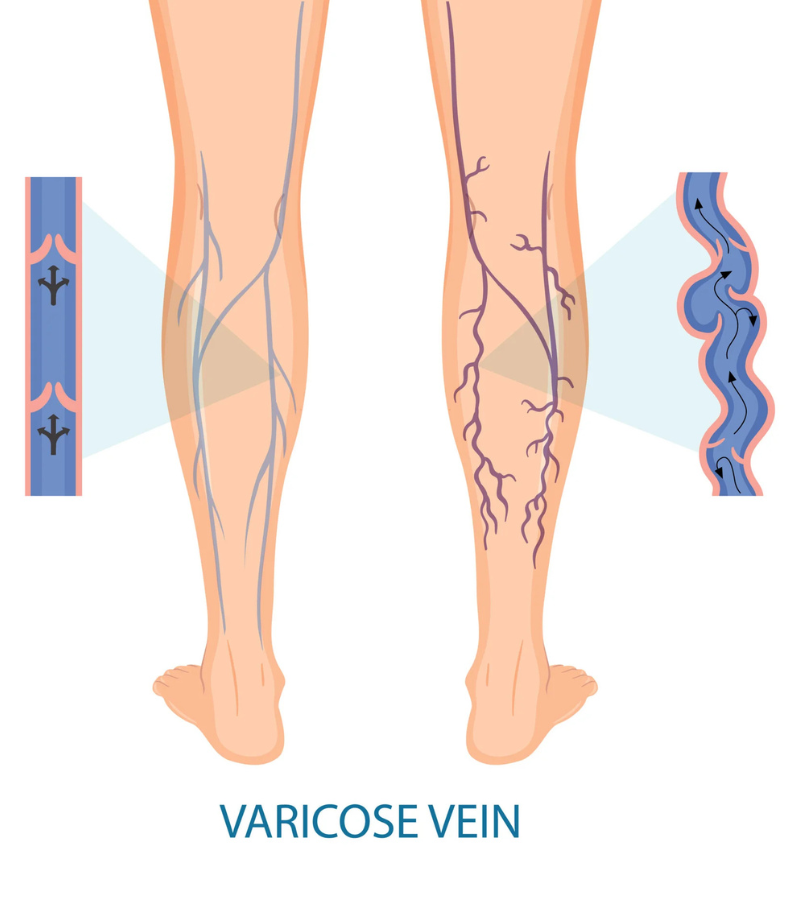
Varicose veins are deep vessels of the leg that have become swollen, twisted, and visibly raised.
They commonly appear bluish or purple because the veins carry deoxygenated blood and most often affect the legs, where blood has to flow against gravity.
Did You Know?
Varicose vein is not a disease; it is a sign of Chronic Venous Insufficiency (CVI), a condition where veins become inefficient at returning blood to the heart, causing it to pool in the legs.
Think of it like a fever, which is not a disease itself, but a symptom of an underlying issue that needs attention. Similarly, varicose veins indicate that your veins may need medical attention.
What Are the Causes of Varicose Veins?
Varicose veins develop due to two primary causes:
- Weakened or damaged vein valves
- Increased pressure in the veins
Since veins are not designed to accommodate the extra volume, they gradually stretch and swell. Here’s a more detailed mechanism of how it happens:
Weakened or damaged vein valves
- Veins contain one-way valves that ensure blood flows upward toward the heart against gravity.
- When these valves become weak or damaged, they fail to close properly, allowing blood to flow backwards and collect within the vein.
- Over time, this causes the vein walls to stretch and become varicosed.
Increased pressure in the veins
- Prolonged standing or sitting, excess body weight, or pregnancy can elevate pressure within the leg veins.
- This constant strain overburdens the valves & weakens them.
- As a result, the veins are unable to accommodate the extra pooled blood, causing them to stretch and swell.
What Are the Risk Factors for Varicose Veins?
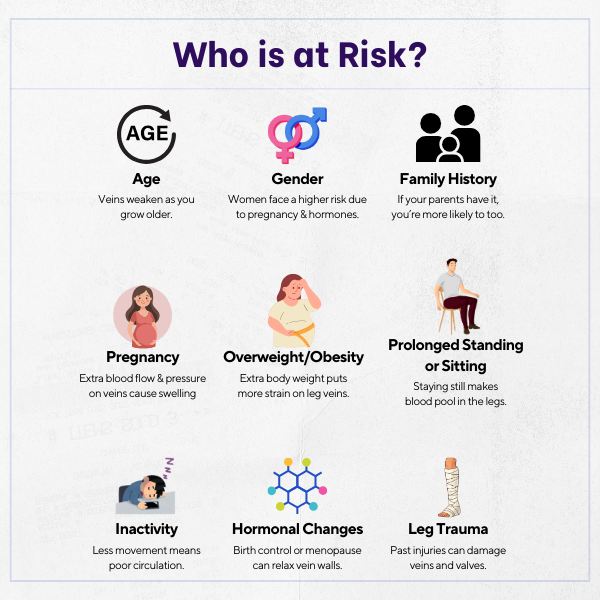
Certain lifestyle, biological, and hereditary factors can make some people more prone to developing varicose veins.
Age
- Veins naturally lose their tone, and valves weaken over time.
- The risk increases after age 40, especially with reduced activity.
Gender
- Women are more likely to develop varicose veins due to hormonal changes.
- Pregnancy, menstruation, and menopause all influence vein wall flexibility.
Pregnancy
- Increased blood volume and pressure from the growing uterus slow down the blood return from the legs.
- Progesterone relaxes blood vessel walls and makes the valve function harder.
- Many pregnancy-related varicose veins fade within months after delivery.
Family History
- A genetic family tendency increases risk.
- If close relatives have varicose veins, preventive habits become even more important.
Obesity
- Excess weight puts continuous strain on the veins, especially in the lower body.
- Weight management reduces venous pressure and improves circulation.
Prolonged Standing or Sitting
- Jobs that require long hours of standing or sitting (like teaching, nursing, or desk work) restrict circulation.
- Simple 5-minute breaks for movement every 30–45 minutes can help
Smoking
- Nicotine and other toxins damage vein walls and reduce blood flow.
- Quitting smoking promotes vascular health and reduces recurrence after treatment.
Past Blood Clots or Venous Injury
- A history of a clot in leg (DVT) or leg trauma can damage the vein valves.
- This can lead to long-term circulatory issues, as the damaged veins may continue to appear varicose over time.
Why Women Are More Prone to Varicose Veins?
Women are more likely than men to develop varicose veins, mainly due to hormonal fluctuations throughout their lives. These changes during menstruation, pregnancy and menopause affect the tone of the vein walls, making them more vulnerable to dilation.
Key Hormones at Play
- Estrogen: Higher estrogen levels make the vein walls more flexible, causing them to distend. Dilated veins allow more blood volume to collect. Studies have shown that increased estradiol levels are associated with a higher incidence of varicose veins in women.
- Progesterone: This hormone relaxes smooth muscles in vein walls causing the veins to accommodate more blood volume, especially during pregnancy.
Life-stage impacts:
- Pregnancy: Blood volume increases, the uterus puts pressure on pelvic veins, and both estrogen and progesterone surge — all contributing to vein enlargement.
- Menstruation and hormonal contraceptives: Monthly hormone fluctuations and birth control use may reduce vein tone and affect valve efficiency.
- Menopause: As hormone levels fall, vein walls lose elasticity and valves may weaken, increasing the risk of new or worsening varicose veins.
Symptoms of Varicose Veins
Recognising symptoms early can help prevent progression of the condition.
- Visible bulging veins, dark blue or purple in colour
- Leg heaviness or aching
- Swelling in the affected feet & ankles
- Itching around the affected veins
- Skin discolouration or darkening around the ankles
- Night cramps or throbbing pain
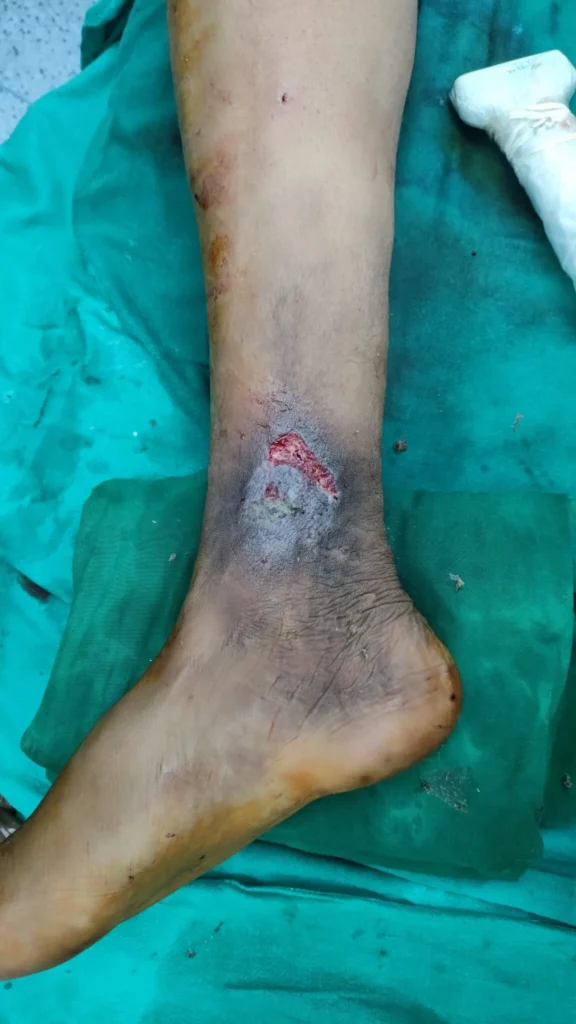
- Non-healing ulcer, in advanced or long-standing cases
When To Worry About Varicose Veins?
Seek medical advice if you experience:
- Persistent pain, swelling, or skin hardening.
- Ulcers, bleeding, or open sores near the ankles.
- Signs of infection or inflammation, such as redness or warmth.
- Sudden swelling or sharp pain in one leg, which may indicate a blood clot.
- Worsening veins despite home remedies or lifestyle changes.
What Is the Best Treatment for Varicose Veins?
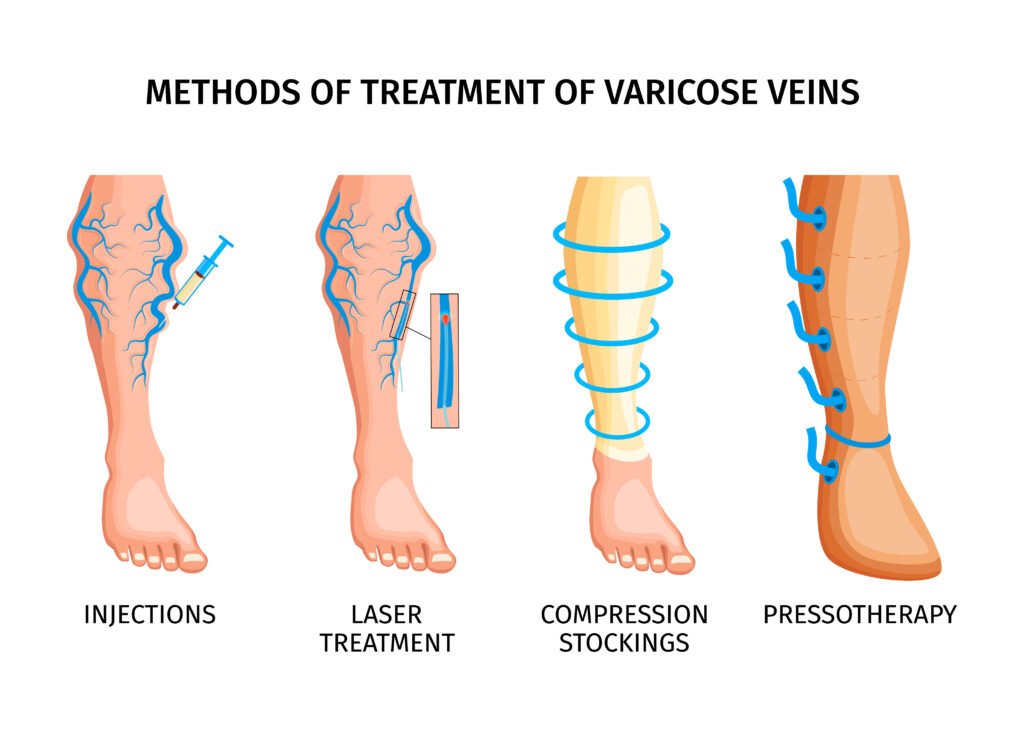
Treatment depends on the severity of symptoms and overall vein health. The best treatment is to seal the veins off using one of the following procedures:
- Compression therapy
- Sclerotherapy
- Glue Ablation
- Endovenous laser ablation
- Lifestyle modifications
Consult with a vascular specialist for customised treatment planning.
What Are the Five Complications of Varicose Veins?
Untreated varicose veins can lead to more serious vascular conditions.
- Leg ulcers: Chronic pressure and poor circulation cause open sores near the ankles.
- Skin discolouration: Dark pigmentation.
- Thrombophlebitis: Inflammation due to a superficial blood clot.
- Bleeding: Surface veins may rupture easily with minor trauma.
- Deep vein thrombosis (DVT): In advanced or long-standing varicose veins, blood flow becomes sluggish and a clot might form, requiring immediate attention.
How to Prevent Varicose Veins?
Preventive care focuses on improving circulation and reducing venous pressure. These steps can help you manage varicose veins at home.
- Exercise regularly: Activities like walking, swimming, and yoga activate the calf muscles.
- Maintain an ideal weight: Less strain means healthier veins.
- Avoid tight clothing: Promotes unrestricted blood flow.
- Reduce salt intake: Prevents fluid retention and swelling.
- Elevate your legs: Especially after long hours of standing or walking.
- Eat a balanced diet: Rich in fibre and antioxidants for better vascular health.
Take Home Message
Varicose veins are common, but understanding their causes and risk factors is key to early management. Simple lifestyle changes, timely diagnosis, and expert treatment can help restore leg comfort and appearance.
If you’re experiencing persistent symptoms or visible vein changes, consult a vascular specialist for a thorough evaluation and personalised care plan
FAQs
How To Reduce the Risk of Varicose Veins?
You can’t always prevent varicose veins, but certain lifestyle habits help lower your risk and manage early symptoms.
- Stay active: Regular walking or exercises help blood flow.
- Maintain a healthy weight: Reduces strain on the lower body vessels.
- Move frequently: Avoid sitting or standing still for prolonged periods.
- Elevate your legs: Promotes venous return and relieves pressure.
- Wear compression stockings: Improve circulation and reduce swelling.
- Quit smoking: Keeps blood vessels healthy and prevents progression.
Can Varicose Veins Lead to Cancer?
No, varicose veins are not associated with cancer. However, some symptoms, such as swelling, skin thickening, or lumps, may resemble signs of vascular or lymphatic disorders, which require medical evaluation to rule out other underlying conditions.
Is Walking Good for Varicose Veins?
No, varicose veins are not associated with cancer. However, some symptoms, such as swelling, skin thickening, or lumps, may resemble signs of vascular or lymphatic disorders, which require medical evaluation to rule out other underlying conditions.
Yes, walking is one of the best exercises for preventing and managing varicose veins. It activates the calf muscles that pump blood toward the heart, and reduces pressure in the leg veins.