Snapshot
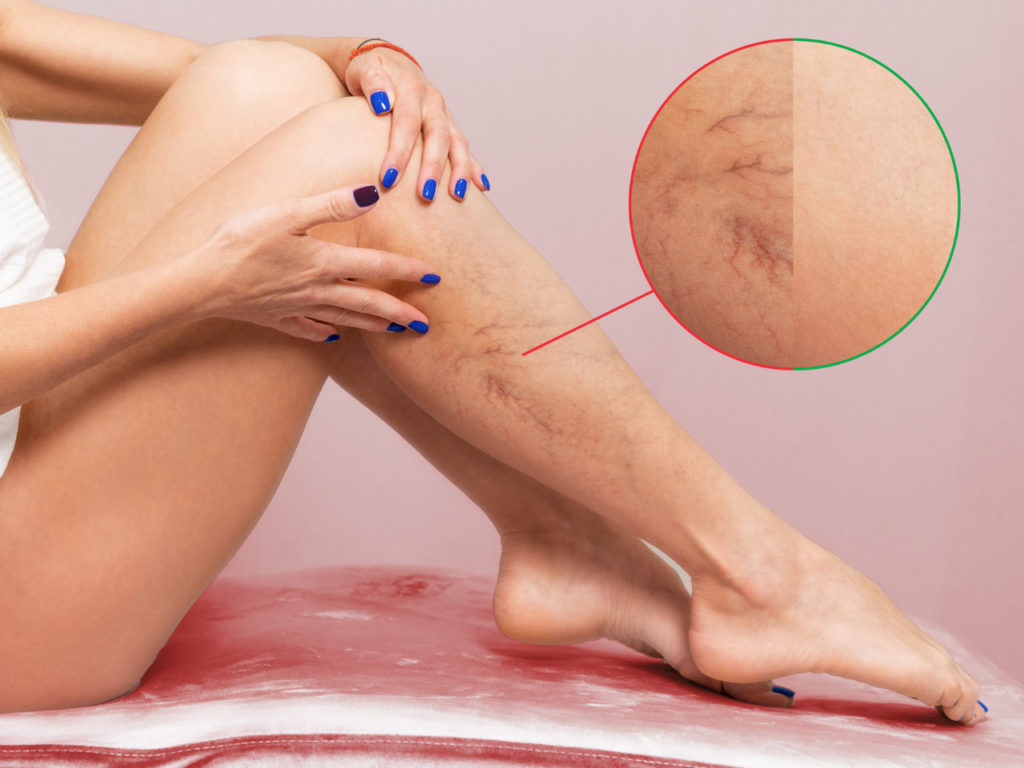
- Visible veins on legs: Can be small spider veins or bulging, twisted varicose veins; indicate venous circulation issues in the legs.
- Circulation Impact: Weakened vein valves cause blood pooling, leading to swelling, heaviness and leg fatigue.
- Skin and Tissue Effects: Chronic venous insufficiency may cause dryness, itchiness, thickened skin or reddish-brown discolouration around the ankles.
- Progressive Condition: Without intervention, vein problems can worsen, potentially causing venous ulcers or non-healing wounds.
- Symptom Management: Early recognition, lifestyle adjustments, compression therapy and minimally invasive treatments improve blood flow and reduce discomfort.
Are Vein Problems Chronic Venous Insufficiency?
Varicose Veins or CVI: Why the Confusion?
Symptoms of Chronic Venous Insufficiency
- Visible vein changes: Small red and blue spider veins or enlarged, twisted varicose veins on the legs represent early signs of impaired venous circulation.
- Leg discomfort: Aching, heaviness, burning or throbbing sensations in the legs, which typically worsen after long periods of standing or sitting.
- Swelling in the lower legs: Fluid accumulation in the ankles, feet or calves caused by poor venous return and increased pressure within the veins.
- Skin changes around the ankles: Chronic venous pressure can lead to dryness, itching, thickened skin or reddish-brown discolouration of the lower leg.
- Venous ulcers: In severe cases, poor circulation may cause slow-healing wounds near the ankle, indicating advanced chronic venous disease.
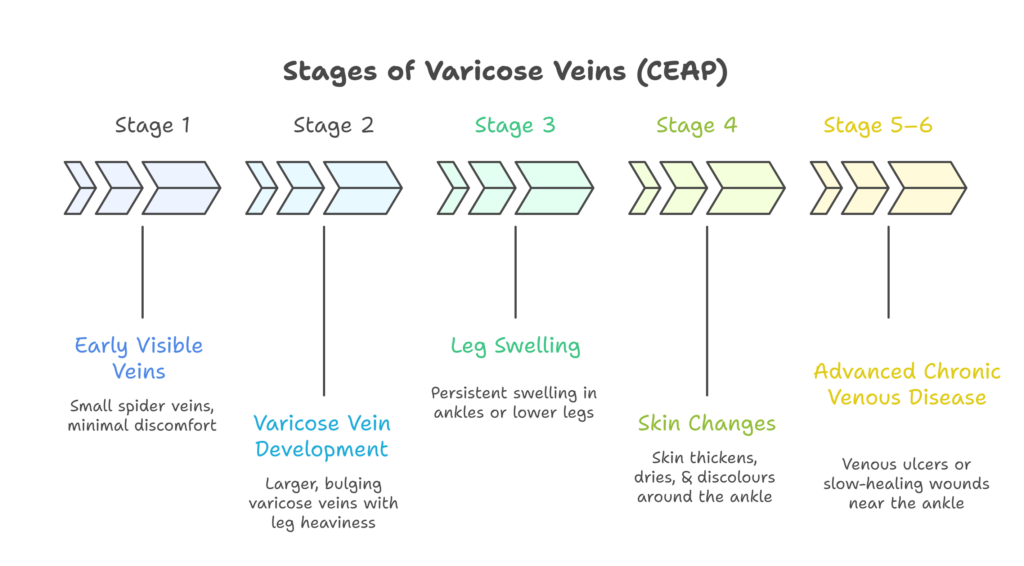
Stages of Chronic Venous Insufficiency
- Stage 1: Early visible veins Small spider veins or visible veins appear on the legs with minimal discomfort. These changes often indicate the earliest signs of venous circulation dysfunction.
- Stage 2: Varicose vein development Larger bulging or twisted veins become visible as pressure builds within the veins. Symptoms such as leg heaviness, aching or fatigue begin to appear.
- Stage 3: Leg swelling and circulation problems Persistent swelling in the ankles or lower legs may develop due to fluid accumulation caused by poor venous return.
- Stage 4: Skin changes near the ankle Chronic inflammation and reduced circulation can lead to skin thickening, dryness or brownish discolouration around the ankle.
- Stage 5–6: Advanced chronic venous disease In severe stages, venous ulcers or slow-healing wounds may form near the ankle, indicating significant impairment of venous circulation.
How To Treat Vein Disease in Legs?
Lifestyle Measures
- Regular walking or moderate exercise activates the calf muscles, which help return blood to the heart.
- Leg elevation during rest can reduce swelling by allowing blood to drain more easily from the lower limbs.
- Maintaining a healthy body weight reduces pressure on leg veins and supports better circulation.
- Avoiding prolonged sitting or standing helps prevent blood from pooling in the legs.
Compression Therapy
- Compression stockings apply graduated pressure to the legs, helping veins move blood upward toward the heart.
- This therapy can reduce swelling, heaviness and leg fatigue associated with venous circulation problems.
- Regular use may also support venous function and slow disease progression in patients with CVI.
- Compression therapy is often used alongside other treatments as part of long-term symptom management.
Minimally Invasive Treatments
- Sclerotherapy: An injectable sclerosant used for smaller diameter veins like reticular veins or spider veins.
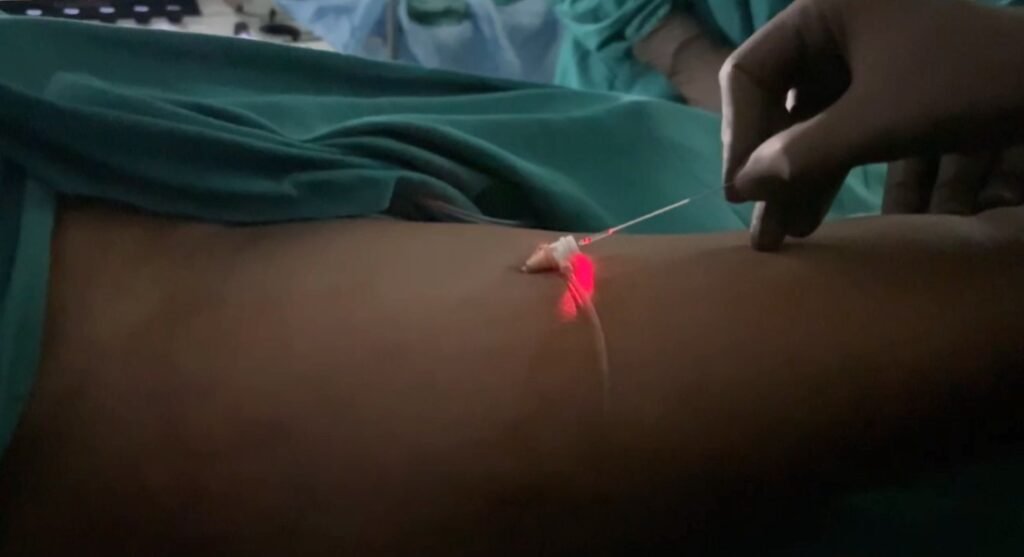
- Endovenous laser ablation (EVLA): Uses controlled heat energy delivered through a laser fibre to close damaged veins.
- Radiofrequency ablation (RFA): Uses thermal energy to seal dysfunctional veins and redirect blood flow to healthier veins.
Take Home Message
FAQ
When to worry about leg veins?
Pale greenish-blue veins on the hands, arms, or legs are very common and usually reflect normal circulation or thinner skin. In most people, these visible veins are harmless.
You should consider seeing a doctor if visible veins on your legs are associated with persistent pain, heaviness, or swelling, especially after prolonged standing or sitting. These symptoms may indicate CVI, a condition where leg veins struggle to return blood efficiently to the heart.
Medical evaluation (non-emergency) is also recommended if you notice skin changes near the ankles, such as darkening, itching, thickened skin, or sores that do not heal. These signs suggest advanced venous disease and may eventually lead to Venous Ulcers.
In some cases, visible leg veins may appear along with sudden leg swelling, warmth, redness, or calf tenderness, which could indicate deep vein thrombosis: a blood clot in a deep vein that requires urgent medical attention. Consult a vascular surgeon immediately if leg symptoms occur together with sudden chest pain, shortness of breath, or dizziness, as this may signal a Pulmonary Embolism: a clot blocking a lung artery that can be life-threatening.
Even if visible veins are painless, it can still be helpful to consult a vascular specialist if the veins progressively enlarge, become symptomatic, or cause concern.
What Are the 5 Major Vein Conditions?
Several conditions can affect venous circulation in the legs:
- Varicose veins: Enlarged, twisted veins caused by increased venous pressure.
- Spider veins: Small visible veins located close to the skin surface.
- Chronic venous insufficiency: A condition in which weakened vein valves impair normal blood flow.
- Deep vein thrombosis (DVT): A blood clot in a deep vein that requires urgent medical evaluation.
- Superficial thrombophlebitis: Inflammation and clot formation in veins located near the skin surface.
Do compression stockings help with visible veins?
Yes, compression stockings apply graduated pressure along the leg, improving venous blood flow from the lower limbs back toward the heart.
They can reduce swelling, heaviness and fatigue associated with varicose veins and chronic venous insufficiency. Doctors recommend compression therapy as part of symptom management and to support circulation during the initial recovery period.
How can I increase blood flow to my veins?
The easiest way to improve blood flow in leg veins is to do heel raises (calf raises). This simple 5-minute exercise can activate the calf muscles, which act as a natural pump that pushes blood from the legs back toward the heart.
Heel raises can be performed by people of all ages, either standing or sitting, and can be done 2-3 times a day.
Other lifestyle measures that can help improve venous circulation and reduce leg swelling include:
- Regular walking or low-impact exercise
- Elevating the legs while resting
- Maintaining a healthy body weight and staying physically active
- Avoiding prolonged sitting or standing
- Using compression stockings when advised by a doctor
These measures are recommended for the prevention & early detection of vein problems.
Pale greenish-blue veins on the hands, arms, or legs are very common and usually reflect normal circulation or thinner skin. In most people, these visible veins are harmless.
You should consider seeing a doctor if visible veins on your legs are associated with persistent pain, heaviness, or swelling, especially after prolonged standing or sitting. These symptoms may indicate CVI, a condition where leg veins struggle to return blood efficiently to the heart.
Medical evaluation (non-emergency) is also recommended if you notice skin changes near the ankles, such as darkening, itching, thickened skin, or sores that do not heal. These signs suggest advanced venous disease and may eventually lead to Venous Ulcers.
In some cases, visible leg veins may appear along with sudden leg swelling, warmth, redness, or calf tenderness, which could indicate deep vein thrombosis: a blood clot in a deep vein that requires urgent medical attention. Consult a vascular surgeon immediately if leg symptoms occur together with sudden chest pain, shortness of breath, or dizziness, as this may signal a Pulmonary Embolism: a clot blocking a lung artery that can be life-threatening.
Even if visible veins are painless, it can still be helpful to consult a vascular specialist if the veins progressively enlarge, become symptomatic, or cause concern.
Several conditions can affect venous circulation in the legs:
- Varicose veins: Enlarged, twisted veins caused by increased venous pressure.
- Spider veins: Small visible veins located close to the skin surface.
- Chronic venous insufficiency: A condition in which weakened vein valves impair normal blood flow.
- Deep vein thrombosis (DVT): A blood clot in a deep vein that requires urgent medical evaluation.
- Superficial thrombophlebitis: Inflammation and clot formation in veins located near the skin surface.
Yes, compression stockings apply graduated pressure along the leg, improving venous blood flow from the lower limbs back toward the heart.
They can reduce swelling, heaviness and fatigue associated with varicose veins and chronic venous insufficiency. Doctors recommend compression therapy as part of symptom management and to support circulation during the initial recovery period.
The easiest way to improve blood flow in leg veins is to do heel raises (calf raises). This simple 5-minute exercise can activate the calf muscles, which act as a natural pump that pushes blood from the legs back toward the heart.
Heel raises can be performed by people of all ages, either standing or sitting, and can be done 2-3 times a day.
Other lifestyle measures that can help improve venous circulation and reduce leg swelling include:
- Regular walking or low-impact exercise
- Elevating the legs while resting
- Maintaining a healthy body weight and staying physically active
- Avoiding prolonged sitting or standing
- Using compression stockings when advised by a doctor
These measures are recommended for the prevention & early detection of vein problems.