Table of Contents
-
1. Snapshot
-
2. Synopsis
-
3. What Are Spider Veins and Varicose Veins?
-
4. Spider Veins vs Varicose Veins: Key Differences
-
5. What Causes Spider Veins and Varicose Veins?
-
6. Are Spider Veins or Varicose Veins Dangerous?
-
7. When Should You See a Vascular Specialist?
-
8. Spider Veins vs Varicose Veins Treatment Options
-
9. Take Home Message
-
10. FAQs
Quick Answer
- Varicose veins vs Spider veins: Varicose veins are associated with venous reflux and chronic venous insufficiency, while spider veins are usually superficial
- Spider Veins: Small red, blue or purple web-like veins that are usually a cosmetic concern
- Varicose Veins: Enlarged, twisted and bulging veins that often indicate underlying vein disease
- Warning Signs: Leg heaviness, swelling, pain, skin changes or bleeding warrant vascular evaluation
- Treatment Options: Spider veins treatments are sclerotherapy or laser therapy, while varicose veins may require EVLA, RFA, VenaSeal or foam sclerotherapy
Synopsis
Spider veins and varicose veins are common vein conditions in the Nagpur region, and at CIIVES, they account for one in three OPD consultations. Although they may appear similar, they differ significantly in size, symptoms, clinical significance and treatment requirements.
Spider veins are usually a cosmetic concern, while varicose veins often indicate underlying venous reflux and chronic venous insufficiency. Understanding the difference helps patients recognise when symptoms require medical evaluation and what treatment options are available to improve both vein health and quality of life.
What Are Spider Veins and Varicose Veins?
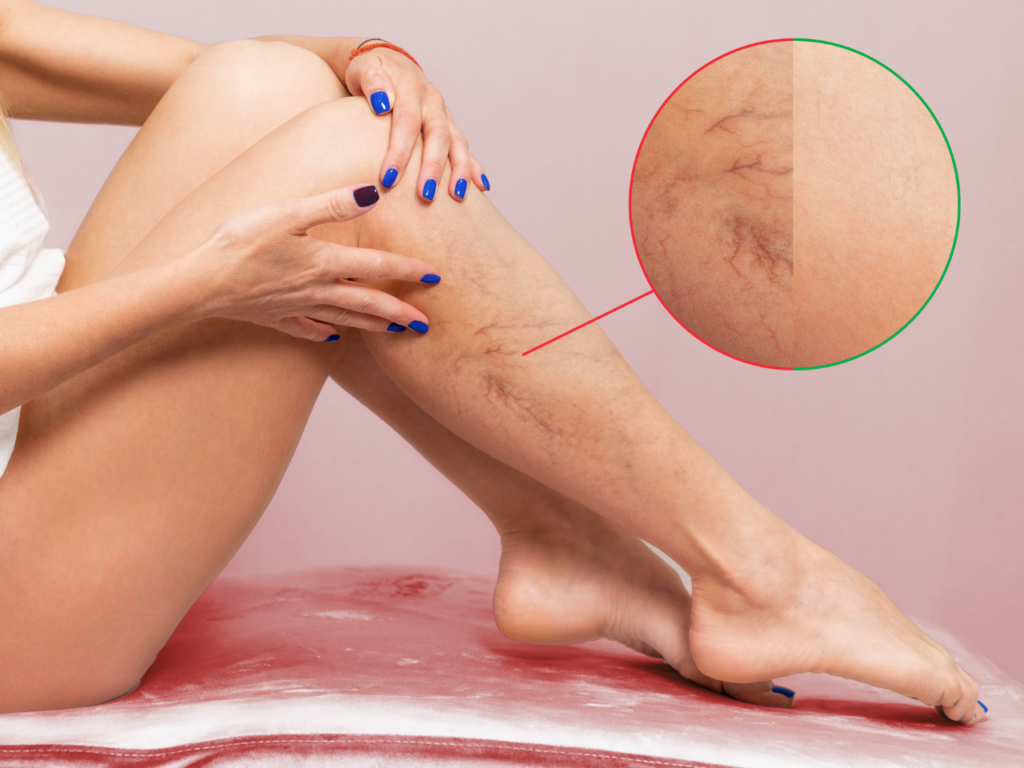
Spider veins and varicose veins are both abnormal superficial veins that develop when increased venous pressure affects normal blood flow within the leg veins. Although they share several risk factors, they differ in severity and their impact on vascular health.
Spider veins are small red, blue or purple veins that appear close to the skin surface in a web-like or branching pattern. They are commonly seen on the thighs, calves and ankles.
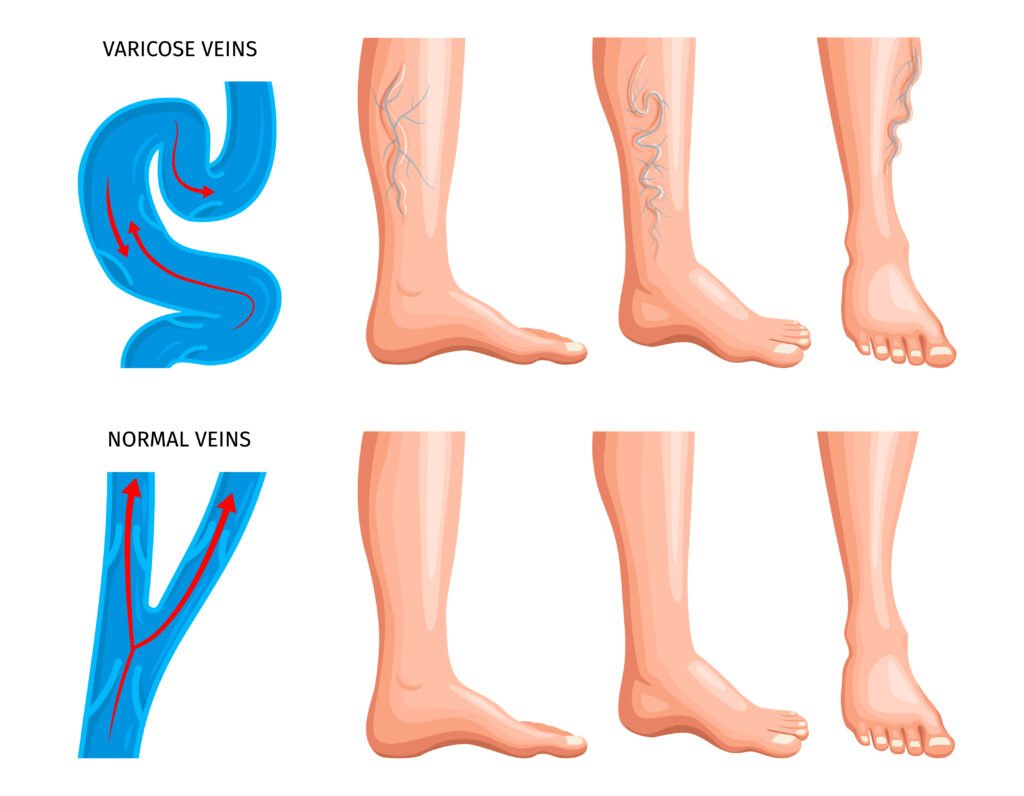
Varicose veins are enlarged, twisted and bulging veins that typically measure more than 3 mm in diameter. They develop when the vein valves become incompetent, allowing blood to flow backwards and pool within the veins.
Both conditions commonly affect the legs, but varicose veins are much more strongly associated with chronic venous insufficiency and underlying venous reflux.
Spider Veins vs Varicose Veins: Key Differences
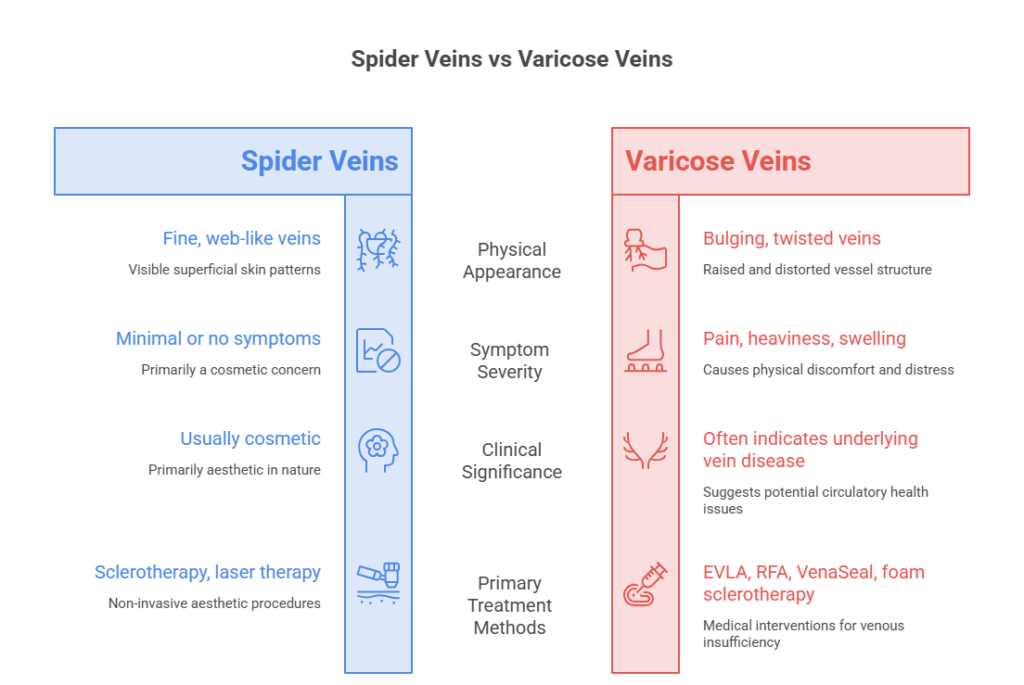
| Feature | Spider Veins | Varicose Veins |
| Appearance | Fine, web-like veins | Bulging, twisted veins |
| Size | Usually <1 mm | Usually >3 mm |
| Symptoms | Minimal or no symptoms | Pain, heaviness, swelling |
| Location | Legs, thighs, ankles, face | Primarily legs |
| Clinical Significance | Usually cosmetic | Often indicates underlying vein disease |
| Treatment | Sclerotherapy, laser therapy | EVLA, RFA, VenaSeal, foam sclerotherapy |
Appearance and Size
Spider veins appear as fine red, blue or purple vessels arranged in a web-like, branching or tree-like pattern near the skin surface.
Varicose veins are much larger and appear raised, twisted and rope-like beneath the skin. Their enlarged appearance reflects increased venous pressure and valve dysfunction within the affected veins.
Symptoms
Spider veins are usually asymptomatic, and most patients seek treatment for cosmetic reasons.
Varicose veins are more likely to produce symptoms such as:
- Leg heaviness
- Aching or throbbing pain
- Itching around the veins
- Leg fatigue
- Swelling around the ankles
- Night cramps
Symptoms often worsen after prolonged standing and improve with leg elevation.
Location
Spider veins commonly occur on:
- Thighs
- Calves
- Ankles
- Face
Varicose veins develop along the major superficial veins of the legs, particularly the great and small saphenous vein systems.
Spider veins may occur without significant underlying vein disease, whereas varicose veins are frequently linked to venous reflux.
Clinical Significance
Spider veins are generally harmless, although extensive spider veins may occasionally indicate underlying venous hypertension or early venous insufficiency.
Varicose veins are more likely to indicate an underlying vein problem called chronic venous insufficiency. If left untreated, venous disease may gradually progress, leading to worsening symptoms and skin complications.
A vascular assessment combined with duplex ultrasound helps determine the severity of disease and guide treatment planning.
What Causes Spider Veins and Varicose Veins?
Spider veins and varicose veins share the same root problem: increased pressure within the venous system that, over time, stresses the vein walls and compromises valve function.
Common causes and risk factors include:
- Family history of vein disease
- Increasing age
- Female sex and hormonal influences
- Pregnancy and multiple pregnancies
- Obesity
- Sedentary lifestyle
- Prolonged standing
- Prolonged sitting
- Occupations requiring long periods of standing
- Previous vein injury or thrombosis
No single factor acts in isolation. In most patients, these factors progressively contribute to venous valve dysfunction, blood pooling and progressive vein enlargement.
Are Spider Veins or Varicose Veins Dangerous?
Spider Veins
Spider veins are harmless and primarily considered a cosmetic concern.
- Usually causes minimal or no symptoms
- Rarely interferes with circulation
- May occasionally be associated with underlying venous insufficiency
- Are less likely to cause complications compared to varicose veins
Although most spider veins do not require medical treatment, widespread spider veins may justify further vascular evaluation.
Varicose Veins
Varicose veins can be associated with significant symptoms and complications.
Potential concerns include:
- Chronic leg pain
- Leg heaviness and fatigue
- Persistent swelling
- Superficial thrombophlebitis
- Skin discolouration
- Venous eczema
- Venous ulcers
- Bleeding following minor trauma
Patients experiencing symptoms should seek evaluation by a vascular specialist to assess for underlying venous reflux and chronic venous insufficiency.
When Should You See a Vascular Specialist?
Specialist evaluation is recommended if you experience:
- Persistent leg pain, heaviness or swelling
- Visible bulging veins with worsening symptoms
- Skin discolouration around the ankles
- Recurrent superficial thrombophlebitis
- Non-healing wounds or venous ulcers
- Bleeding from varicose veins
- Sudden swelling in one leg requires exclusion of DVT
Early assessment allows timely diagnosis and treatment before complications develop.
Varicose Veins vs Spider Veins Treatment Options
Treatment depends on whether the primary concern is cosmetic appearance or underlying venous disease.
Treatment for Spider Veins
Spider veins treatment focuses on improving appearance and eliminating visible superficial veins.
Common options include:
- Sclerotherapy: The most effective and widely used treatment. A specialised solution is injected into the vein, causing it to collapse and gradually fade.
- Surface laser therapy: Useful for very small spider veins that may not be suitable for injections.
- Multiple sessions: Several treatment sessions may be required, depending on the extent of the veins.
Most spider veins treatments are performed as outpatient procedures with minimal recovery time.
Treatment for Varicose Veins
Varicose veins treatment aims to address the underlying venous reflux responsible for symptoms and disease progression.
Treatment options include:
- Compression stockings: Help relieve symptoms and reduce swelling.
- Endovenous laser ablation (EVLA): Uses laser energy to seal diseased veins.
- Radiofrequency ablation (RFA): Uses controlled heat to close refluxing veins.
- Cyanoacrylate closure (VenaSeal): A medical adhesive seals the affected vein without thermal energy.
- Ultrasound-guided foam sclerotherapy: Foam medication is injected into targeted veins under ultrasound guidance.
- Ambulatory phlebectomy: Removes selected bulging veins through tiny skin incisions.
Modern minimally invasive treatments offer excellent outcomes with faster recovery compared to traditional surgery.
Take Home Message
Although varicose veins & spider veins may appear similar, they differ significantly in their clinical impact. Spider veins are usually cosmetic, while varicose veins often indicate underlying venous reflux and chronic venous insufficiency.
Persistent leg symptoms, swelling or visible bulging veins should not be ignored. Early vascular evaluation helps identify underlying vein disease and allows timely treatment before complications develop.
FAQs
Can spider veins turn into varicose veins?
Spider veins do not directly transform into varicose veins. However, both conditions share similar risk factors such as genetics, pregnancy, ageing and prolonged standing.
Individuals with progressive venous insufficiency may develop new varicose veins over time. A vascular assessment can help identify underlying venous reflux before symptoms worsen.
How to get rid of spider veins at home?
Lifestyle measures such as regular walking, maintaining a healthy weight, avoiding prolonged sitting or standing and elevating the legs may help improve circulation and reduce the risk of new spider veins.
Compression stockings can also help relieve symptoms. However, existing spider veins generally do not disappear with home remedies alone and usually require treatments such as sclerotherapy or laser therapy.
What is the difference between spider veins and reticular veins?
Spider veins are very small red, blue or purple veins located close to the skin surface. Reticular veins are larger blue or green veins that lie slightly deeper beneath the skin and often act as feeder veins for spider veins.
While spider veins are usually cosmetic, reticular veins may indicate early venous disease. Both can be treated effectively using minimally invasive vein procedures when required.