If you are looking for a vein specialist in Nagpur, a vascular surgeon is the right doctor. They diagnose and treat conditions affecting veins, arteries, and the lymphatic system.
Vein specialists are vascular experts who treat blood flow disorders. Common conditions include varicose veins, deep vein thrombosis (DVT), PAD, abdominal aortic aneurysms, carotid artery disease, and venous ulcers.
Assessment involves clinical examinations and imaging procedures, such as Doppler ultrasound, to evaluate blood flow and identify abnormalities in the blood vessels.
Treatment options may include lifestyle modification, compression therapy, minimally invasive procedures, or surgery depending on the type and severity of the condition.
Who Is a Vein Specialist?
A vein specialist is a super-specialist vascular surgeon who has a DrNB or MCh degree in Peripheral Vascular Surgery.
They complete 5.5 years of MBBS and register with the National Medical Commission (NMC), followed by a 3-year postgraduate degree (M.S.) or a Diplomate of the National Board (DNB) in General Surgery.
This is followed by three years of dedicated and specialised training in Peripheral Vascular Surgery. Some vascular surgeons also pursue additional fellowships to gain expertise in specific areas.
Vein Specialists in Nagpur
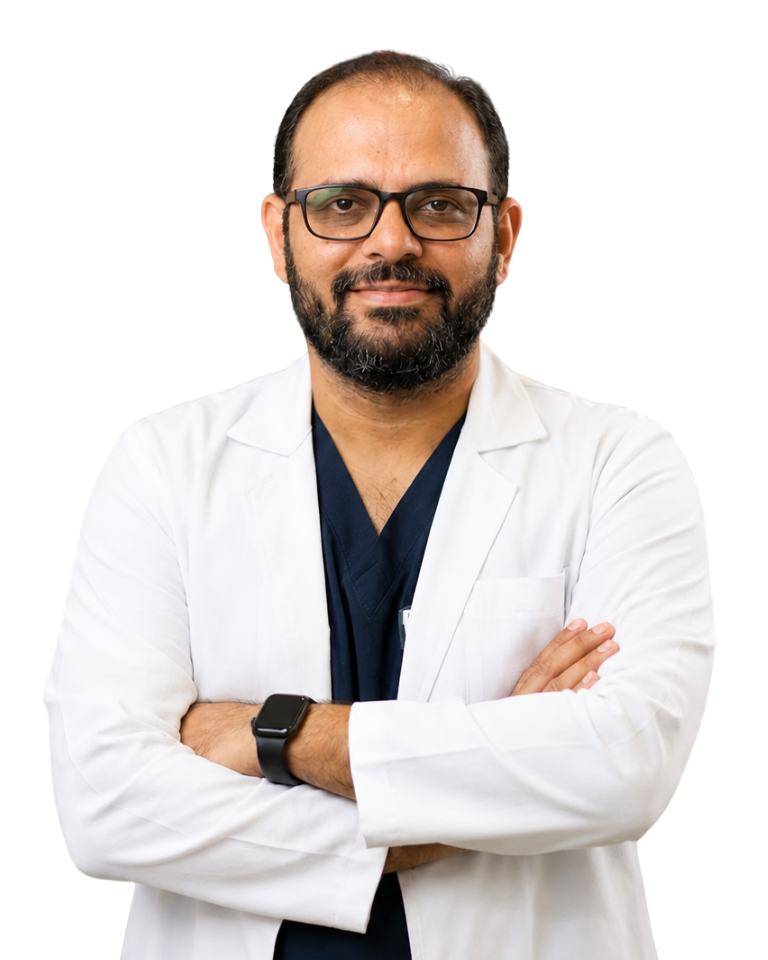
Dr Rohit Gupta
Dr Rohit Gupta is a Senior Vascular Surgeon and Director & HOD at the CIIVES Department, specialising in vascular and endovascular care.

Dr Kartik Gupta
Dr Kartik Gupta is Maharashtra & Central India’s first and only Gold Medalist in Vascular Surgery.
When Should You Consult a Vein Specialist in Nagpur?
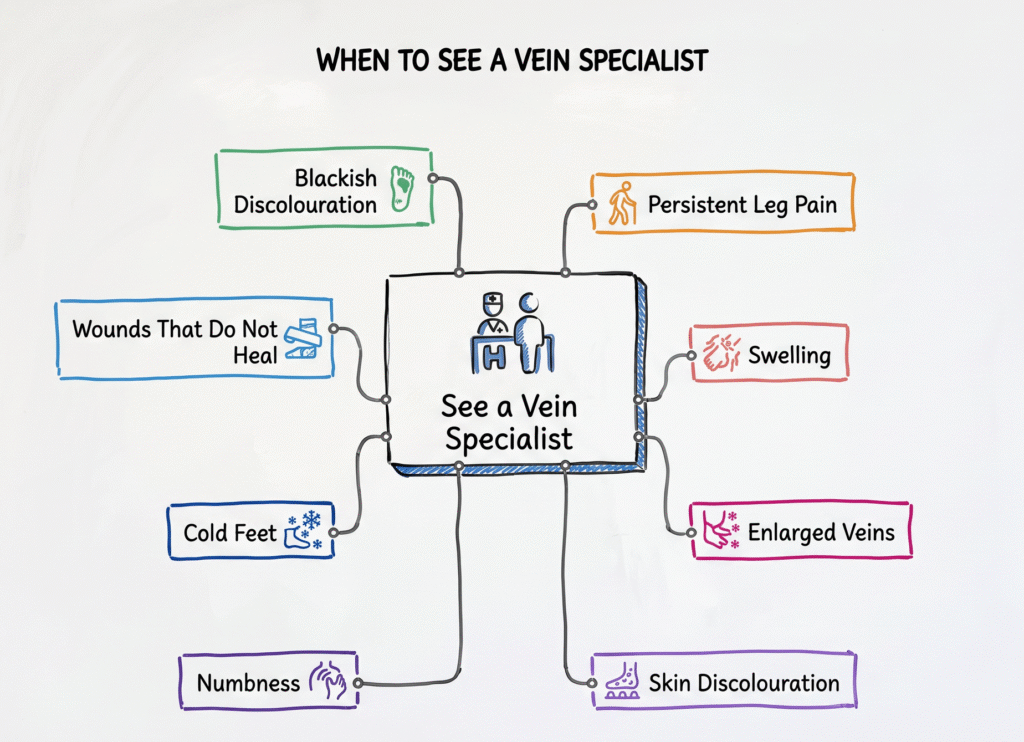
You should consult a vein specialist when you experience:
- Persistent Leg Pain
- Swelling
- Enlarged or visible veins
- Skin discolouration
- Numbness
- Wounds that do not heal
- Cold feet
Common Vein Conditions Treated by Vein Specialists
Vein specialists diagnose and treat several conditions affecting the veins and arteries. These include
Vein Diseases
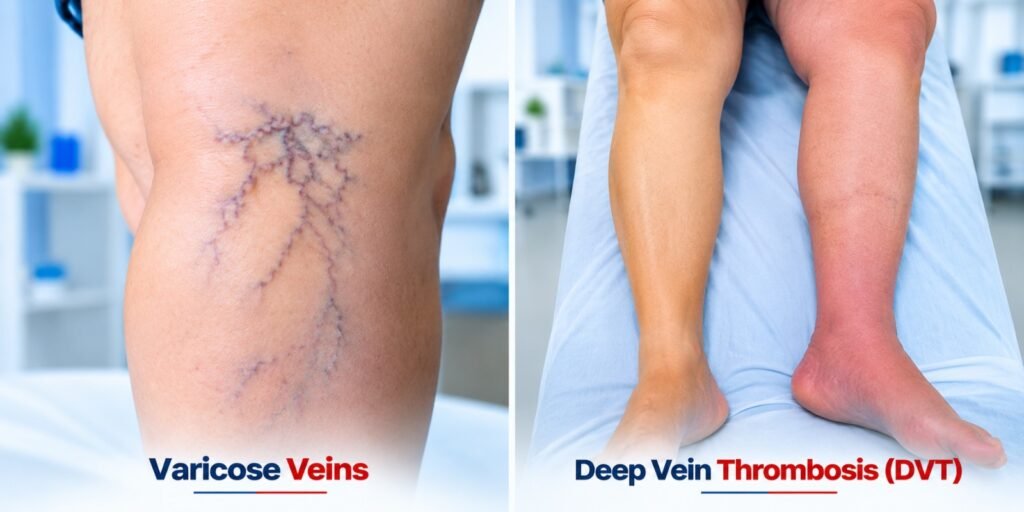
Varicose Veins
Varicose veins are enlarged, tortuous veins in the legs that appear bluish, greenish, or purple.
They are a sign of chronic venous insufficiency, indicating that veins are holding blood beyond their usual capacity
Chronic Venous Insufficiency
Chronic venous insufficiency occurs when the valves in the veins of your leg are damaged, making it difficult for the blood to return to the heart. This is the underlying disease behind varicose veins.
Deep Vein Thrombosis (DVT):
A deep vein thrombosis is a blood clot that develops within a deep vein, most commonly in the legs or pelvis, but can also occur in the arms and the mesenteric veins.
Based on how long the clot has been present, DVT is classified as:
- Acute DVT: Generally refers to a clot that is formed within the past 2 weeks. Symptoms include sudden or worsening swelling, pain, and tenderness along the affected vein.
- Chronic DVT: Refers to the persistent changes in the veins following an earlier clot. Symptoms include long-term swelling and pain.
Venous Ulcers
Venous ulcers are open wounds that usually take weeks or sometimes even months to heal and typically occur near your ankle or on your legs.
Varicocele
Artery Diseases
Arterial diseases are conditions that affect arteries that carry nutrients and oxygenated blood from the heart to other parts of the body. Common conditions include:
Peripheral Artery Disease (PAD)
Peripheral artery disease refers to a partial or complete blockage of peripheral arteries, most often in the arms or legs, due to plaque buildup.
Carotid artery disease
In this condition, plaques (fatty deposits) build up on the carotid arteries in the neck, disrupting blood flow to the brain.
The disruption can be transient, which may produce stroke-like symptoms called a transient ischaemic attack (TIA). If blockage is severe, a full-blown stroke may result.

Carotid artery disease

Aneurysms
Aneurysms
An abnormal enlargement of an artery wall; if it ruptures, it can be life-threatening.
- Peripheral (Popliteal): A bulging or ballooning in the wall of the popliteal artery can restrict blood flow to the lower limbs (legs).
- Abdominal Aorta: An abnormal, permanent bulging of the abdominal aorta, which is a major artery that supplies blood to the lower limbs.
AV Fistula for dialysis
An Arteriovenous Fistula (AV) is created through surgery by connecting veins and arteries, generally in the forearm or lower arm.
This is a preferred option for patients undergoing dialysis because it provides reliable blood flow, has a low risk of infection, and lasts longer than catheters or grafts.
Diagnosis
A vein specialist in Nagpur begins by evaluating the patient’s medical history and symptoms and performing a physical examination.
Based on the suspected condition, diagnostic tests may include:
- Duplex Ultrasound or Doppler: This diagnostic test uses sound waves and Doppler technology to assess blood flow and blood vessels.
- Ankle-Brachial Index (ABI): This test measures the ratio of blood pressure readings from the ankle and arm to confirm PAD.
- CT Angiography (CTA): This imaging procedure combines X-rays and contrast dye to produce images of blood vessels. This test helps identify blockages or aneurysms.
- Catheter Angiography: This test involves inserting a catheter, a thin, flexible tube, into a blood vessel and injecting a contrast dye to examine blood flow and identify vascular abnormalities.
- MR Angiography (MRA): This test produces detailed images of blood vessels using magnetic fields and radio waves without radiation exposure.
Treatment
Each patient requires an individualised treatment approach based on the nature of the vascular condition and the affected blood vessels.
Conservative Management
Milder vascular conditions can be managed through a combination of medications, lifestyle modifications, regular exercise, and compression therapy.
Antibiotics are used when there is additional bacterial infection, and they should not be used routinely for every ulcer.
No single leg ulcer dressing or ointment suits every patient. The best ointment or dressing depends on the wound and its underlying cause.
Endovascular Procedures
Open or Surgical Treatment
Surgical treatment may be recommended for severe vascular conditions when an endovascular procedure is unsuitable. Procedures may include peripheral bypass surgery, open repair of aneurysms, and surgical removal of blood clots.
Why Choose CIIVES for Vein Treatments in Nagpur?
Unlike cardiologists and cardiac surgeons, vascular surgeons are trained to manage both minimally invasive endovascular and, when needed, open surgeries.
- Team of vascular specialists: The DrNB-trained vascular surgeons at CIIVES are skilled in treating various venous conditions using both open and endovascular procedures.
- Advanced cath lab facilities: CIIVES is equipped with the GE HealthCare Allia™ 540 AutoRight Cathlab System, part of Central India’s first dedicated hybrid cath lab for vascular surgery. This advanced facility enables a larger field of view with multiple angles for peripheral procedures.
- Integrated podiatry and diabetic foot care: CIIVES has a dedicated podiatry department and Diabetic Foot Care Clinic (DFCC) for patients with diabetic foot, ulcers, and related complications.
- Orthotic support: A dedicated orthotist within the CIIVES team provides customised adjustments to insoles, offloading footwear, and modifications.
This means patients get the full range of vascular treatments and supportive care at CIIVES, without having to visit multiple centres.
Take Home Message
A vascular surgeon is the right vein specialist for treating conditions affecting blood flow and vessels such as varicose veins, DVT, PAD, or aneurysms.
Diagnosis involves clinical assessments, Doppler ultrasound, ABI, CT angiography and MR angiography to identify vascular abnormalities.
Treatment depends on the condition and severity and can include lifestyle modifications, minimally invasive endovascular procedures or surgery, and compression therapy.
At CIIVES, patients have access to specialised vascular surgeons, advanced hybrid cath lab facilities, podiatry services, diabetic foot care and orthotic support.
FAQs
When should I consult a vein specialist?
Consult a vein specialist if you experience persistent leg pain, swelling, enlarged veins, skin discolouration, cold feet or numbness.
A vein specialist can assess symptoms and diagnose conditions such as varicose veins, chronic venous insufficiency, DVT, venous ulcers, and varicocele.
Early consultation helps manage with conservative treatments or minimally invasive procedures and prevent potential complications.
Which doctor should I consult for vein problems?
A vascular surgeon is the right doctor to consult for vein problems. Vascular surgeons specialise in diagnosing and treating conditions affecting blood flow and blood vessels–veins and arteries.
A vein specialist in Nagpur can evaluate your symptoms and blood circulation and recommend clinical investigations, such as Doppler ultrasound, to identify underlying problems.
Based on the diagnosis, a vein specialist can recommend lifestyle modification, minimally invasive procedures, or surgery.
Treatment must address the underlying cause, so do not delay medical assessment while trying home remedies.
Can a vein specialist treat both vein and artery conditions?
Home wound care and dressings should follow a clinician’s instructions. Home remedies and over-the-counter ointments cannot correct blocked arteries, high pressure in the leg veins or prolonged pressure on the skin.
Treatment must address the underlying cause, so do not delay medical assessment while trying home remedies.
Yes, a vein specialist can treat both vein and artery conditions, as they are trained to diagnose and treat conditions affecting blood vessels.
Vein specialists have specialised training to treat a wide range of blood vessel conditions. Their expertise includes evaluating blood flow, identifying blockages, and determining the most appropriate approach to restore circulation.