
Table of Contents
-
1. What is an AV Fistula?
-
2. Why do you need it?
-
3. Signs of a Successful AV Fistula
-
4. Post-op Care
-
5. Follow-up
-
6. A Word of Caution for the Dialysis Technicians
-
7. Warning Signs – AVF May Be Failing
-
8. Choosing the Right Spot for AV Fistula
-
9. What is Vein Mapping?
-
10. Free Vein Mapping For Patients on Dialysis
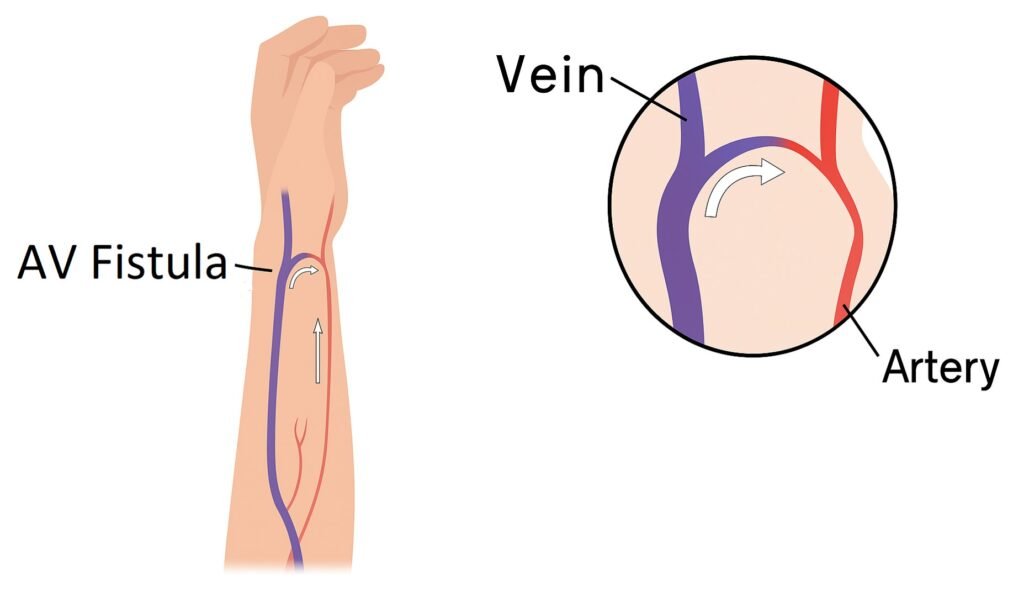
What is an AV Fistula?
It is considered the safest and most reliable access for long-term dialysis. The fistula is created through a minor operation and takes about 4 to 6 weeks to mature before it can be used.
Why do you need it?
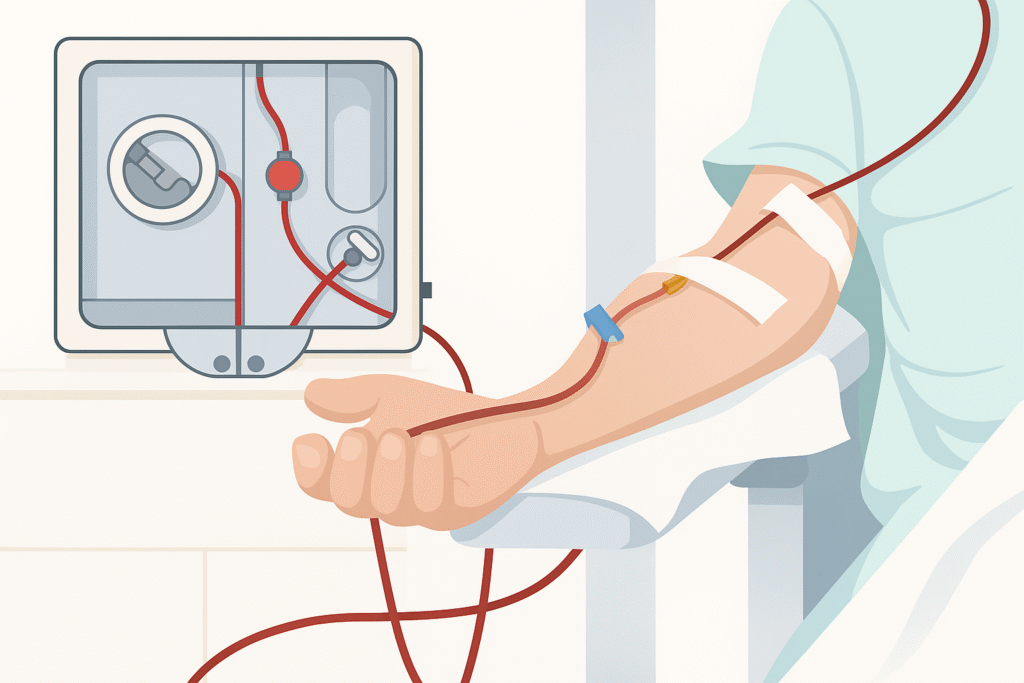
When your kidneys stop working properly, harmful waste builds up in your blood.
To remove it, you may need dialysis – a treatment that cleans your blood using a machine.
For dialysis to work well, doctors need a way to access your bloodstream safely and repeatedly. An AV fistula offers a strong, natural access point for this.
Signs of a Successful AV Fistula
Once your AV fistula has healed, these signs suggest it’s working well:
- You can feel a gentle vibration or buzzing (called a “thrill”) when you place your fingers over the site.
- There is no pain, swelling, or redness around the area.

Post-op Care
- After surgery, proper care helps your AV fistula heal and grow stronger.
- Keep the area clean and dry.
- Don’t lift heavy weights or sleep on that arm.
- Do hand-grip exercises using a soft ball or handgrip spring, as advised.
- Avoid tight clothing, jewellery, or blood pressure cuffs on the same arm

Follow-up
Regular follow-up visits are important to ensure adequate healing.
- First visit (after 7 days): To check the wound and see if the fistula is open (patent).
- Second visit (after 1 to 1.5 months): Before starting dialysis, to check if the fistula is ready for use.
- Third visit (after 3 months): To check for any narrowing, blockage, or issues with blood flow.
If you notice pain, swelling, or anything unusual, consult your vascular specialist right away.
A Word of Caution for the Dialysis Technicians
- Before starting dialysis, always check for the thrill (the vibration over the fistula).
- If it’s not easily felt, use a stethoscope to listen for blood flow.
The absence of a thrill could be a sign of fistula failure.
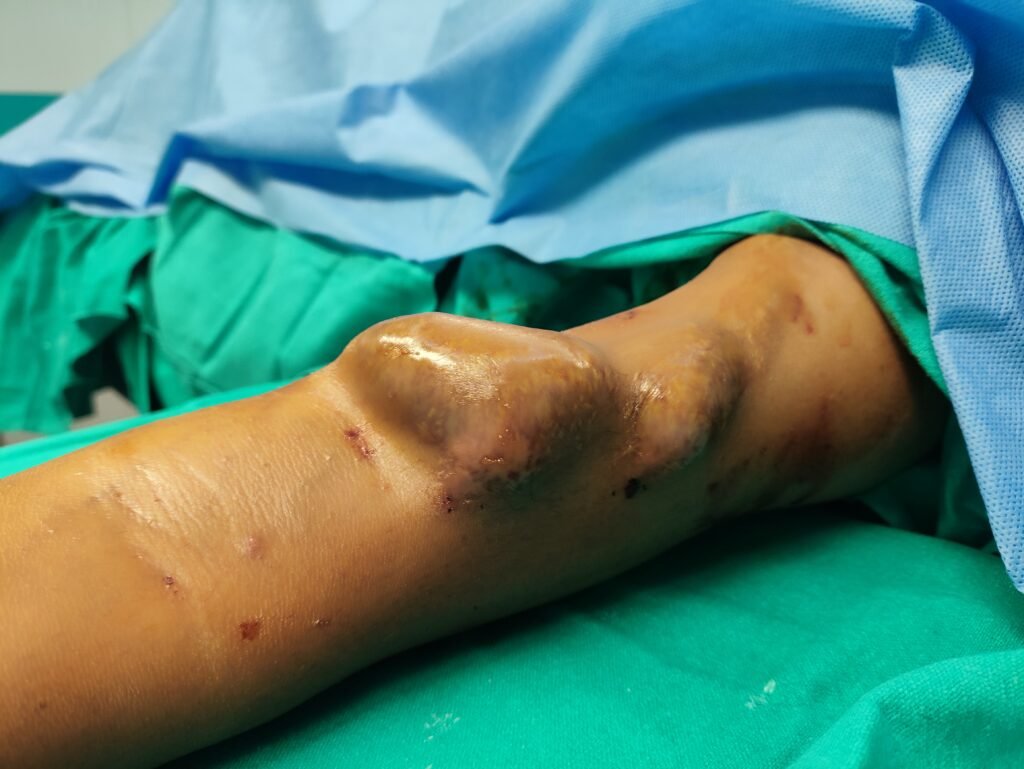
- Do not use the same spot every time for needle insertion.
- This can cause bulging (aneurysm) or even lead to fistula collapse.
Warning Signs – AVF May Be Failing
- Before starting dialysis, always check for the thrill (the vibration over the fistula).
- If it’s not easily felt, use a stethoscope to listen for blood flow.
The absence of a thrill could be a sign of fistula failure.
- Do not use the same spot every time for needle insertion.
- This can cause bulging (aneurysm) or even lead to fistula collapse.
Choosing the Right Spot for AV Fistula
An AV fistula is usually made in your wrist, forearm, or upper arm. In rare cases, if the veins in your arm are not suitable, it may be made in your leg.
To find the best vein for your fistula, your vascular surgeon will do a test called vein mapping.
If a weak or narrow vein is used, the fistula may not last or may not work properly. The right location gives you better results and fewer problems during dialysis.
What is Vein Mapping?
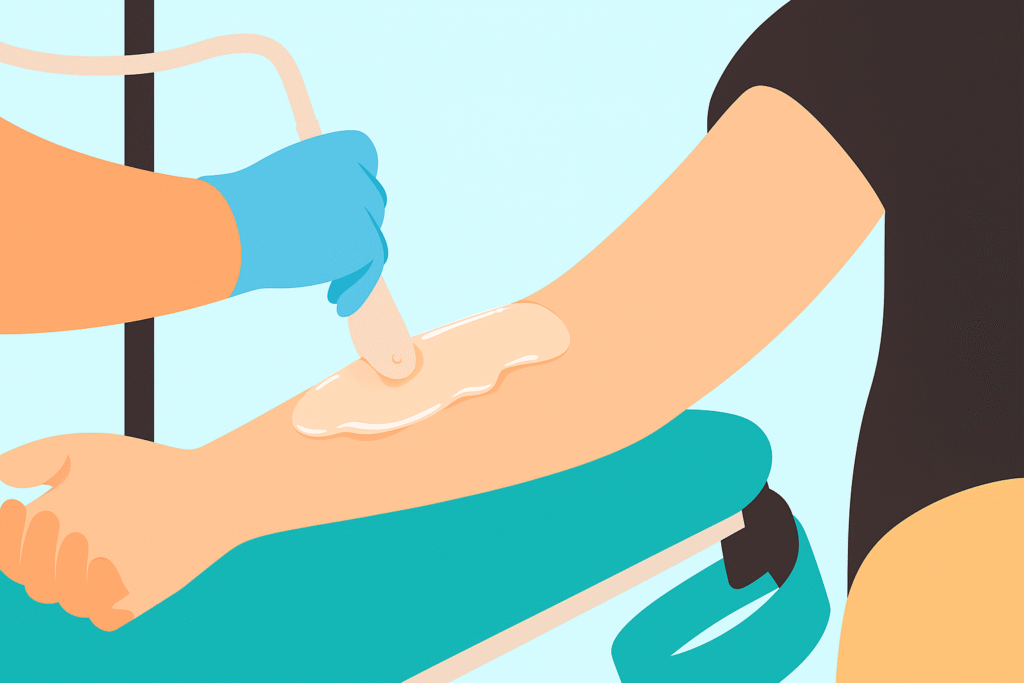
ein mapping is a simple ultrasound scan done before your AV fistula surgery.
It shows the size, depth, and condition of the veins in your arms (or legs). This helps the surgeon choose the strongest and safest vein for your AV fistula.
It’s quick, safe, and completely non-invasive.
No injection. No pain. No risk.
Free Vein Mapping For Patients on Dialysis
If you are on dialysis, we offer free vein mapping every Saturday to help prevent repeat surgeries or fistula failure.
At CIIVES, Swasthyam Super-speciality Hospital
4:00 – 7:00 pm
Book your free test: +91 9423866938
One Response
very good doctor in Nagpur