CIIVES Central India Institute of Vascular and Endovascular Sciences

Acute Deep Vein Thrombosis (DVT)

Did you know sudden pain & swelling in one leg can point to a life-threatening condition?

These signs, often dismissed as fatigue or ageing might indicate a clot in leg or Acute DVT.

What is Deep Vein Thrombosis?

Deep Vein Thrombosis or Acute DVT is the sudden formation of a blood clot in the deep veins, usually in the legs. This clot can partially or completely block blood flow, leading to severe pain, swelling, & dangerous complications.

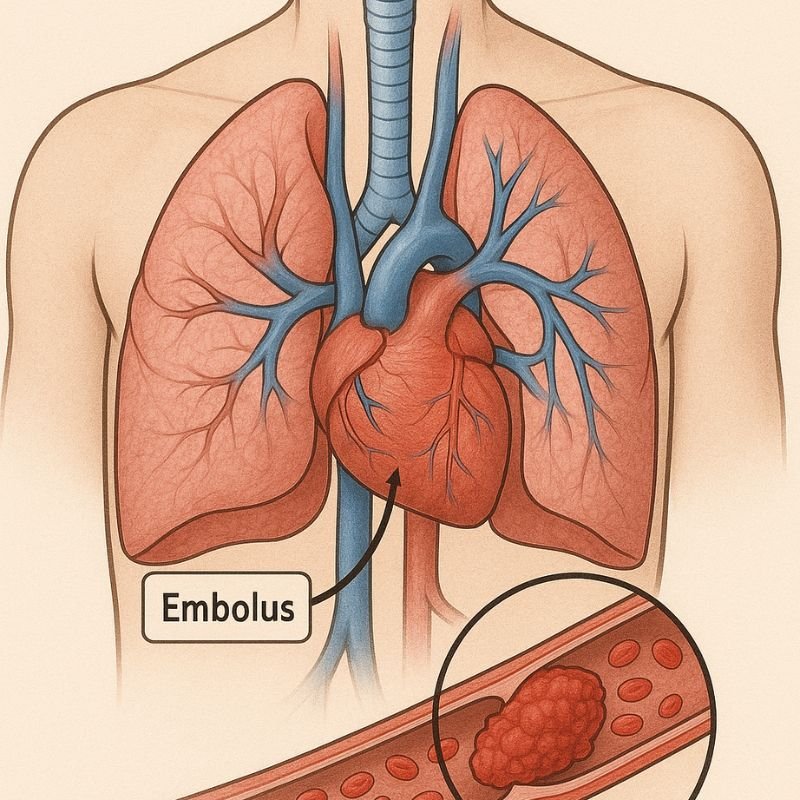
If untreated, the clot can dislodge and travel to the lungs, causing a pulmonary embolism (PE): a medical emergency that can be fatal!

Acute DVT or clot in leg

DVT Symptoms

Spotting DVT early is crucial for preventing serious complications. Common DVT symptoms include:

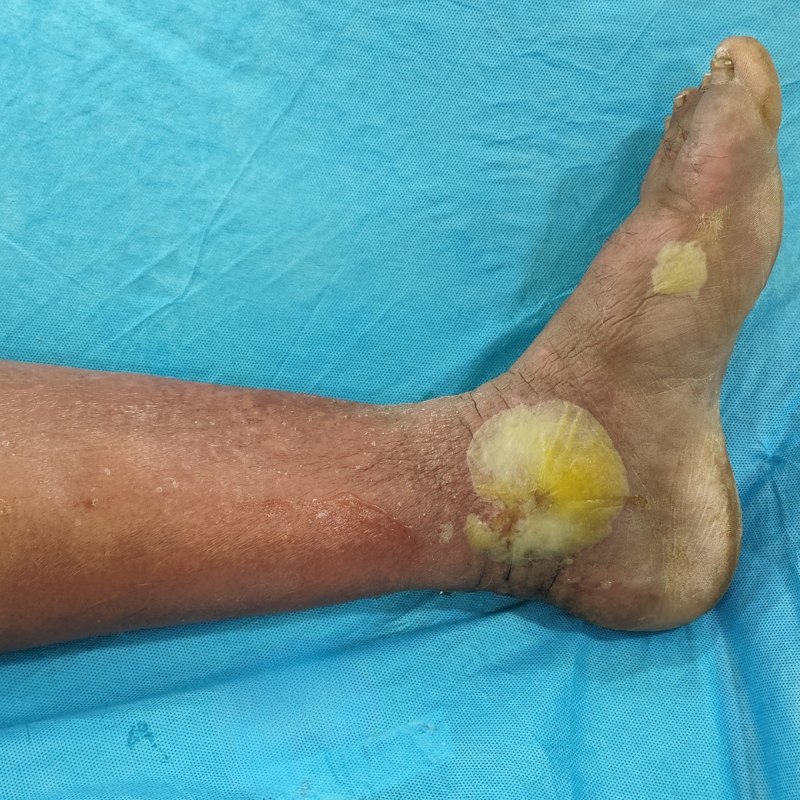
Swelling in leg due to DVT with blisters on foot

Swelling

Sudden swelling in the affected limb, most commonly the leg, accompanied by a feeling of heaviness or tightness.
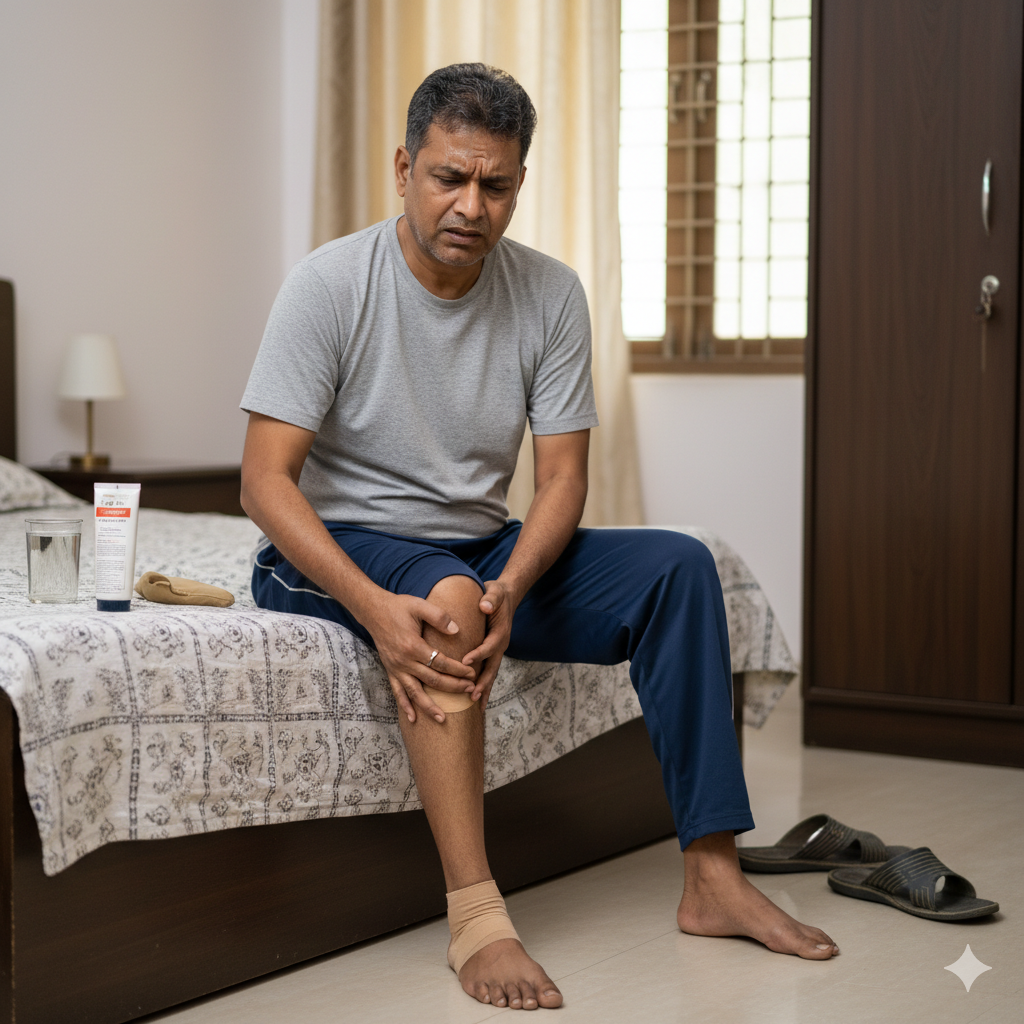
Sudden pain in one leg with swelling

Pain or Tenderness

Pain, cramping, or soreness in the leg or arm that may be constant or throbbing, often worsening while standing or walking.
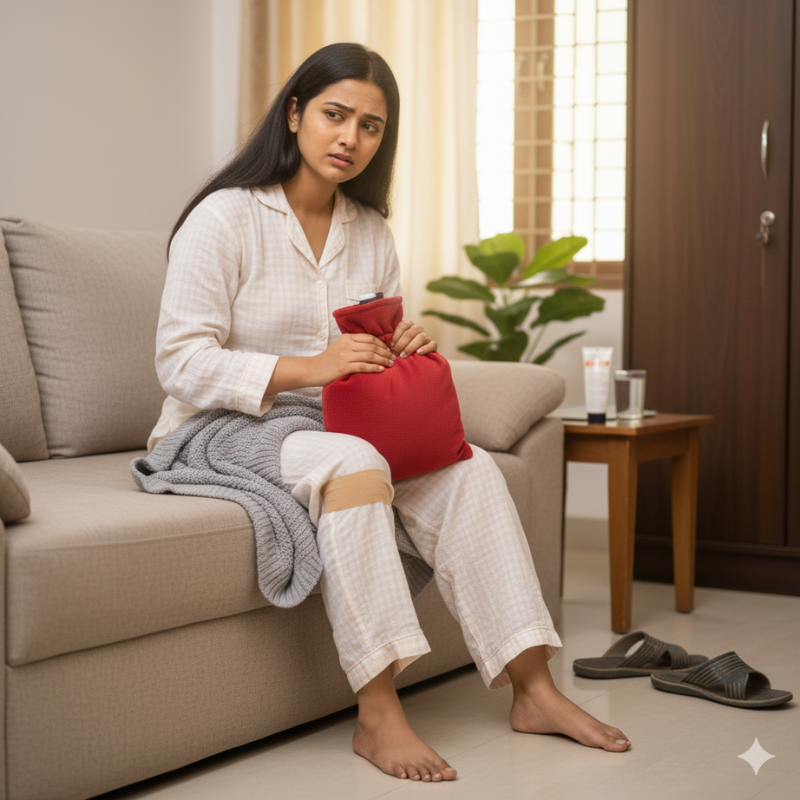
Leg feels warm to touch

Warmth

The skin over the affected area may feel warmer than the surrounding skin due to inflammation.
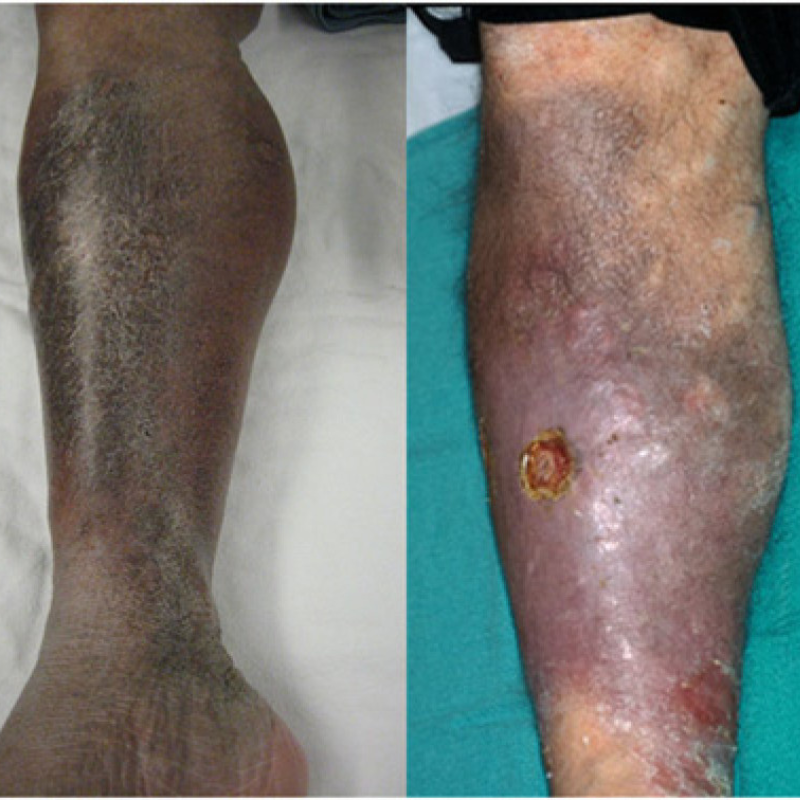
Skin becomes dark & discoloured

Skin Changes

Redness, purplish discolouration, or darkening of the skin on the affected limb. In some cases, the veins may appear more prominent.

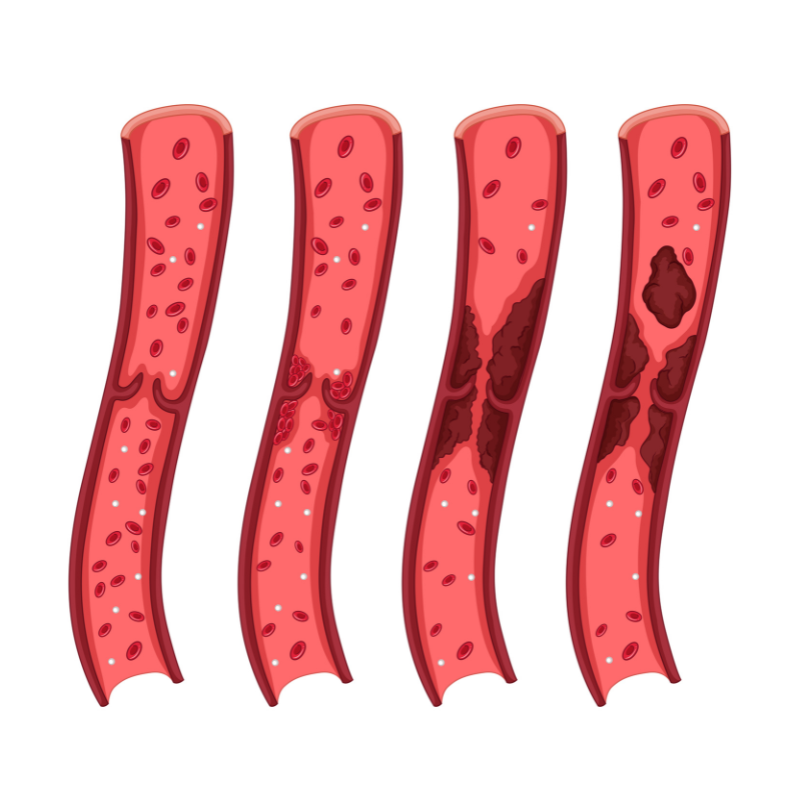
Pulmonary Embolism (PE)

If a blood clot dislodges and travels to the lungs, it can block a lung artery, cutting off blood flow and oxygen exchange. This leads to the following signs:

  • Sudden shortness of breath
  • Chest pain or discomfort on deep breaths
  • Lightheadedness or dizziness
  • Fainting
  • Rapid pulse or breathing
  • Coughing up blood

DVT Treatment

The goal of Acute DVT treatment is to stop clot growth, relieve symptoms, prevent complications like pulmonary embolism, post-thrombotic syndrome (PTS) and reduce the risk of new clots.
Medications
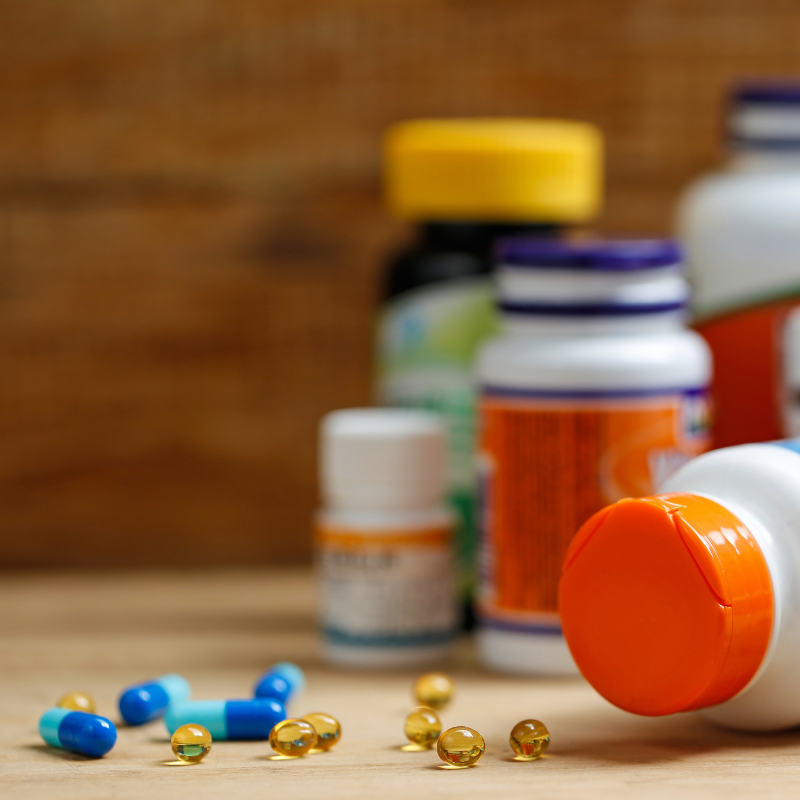
Anticoagulants or blood thinners prevent existing clots from enlarging

Medications

  • Anticoagulants or blood thinners are the mainstay of treatment. 
  • They prevent existing clots from enlarging and reduce the risk of new clots.
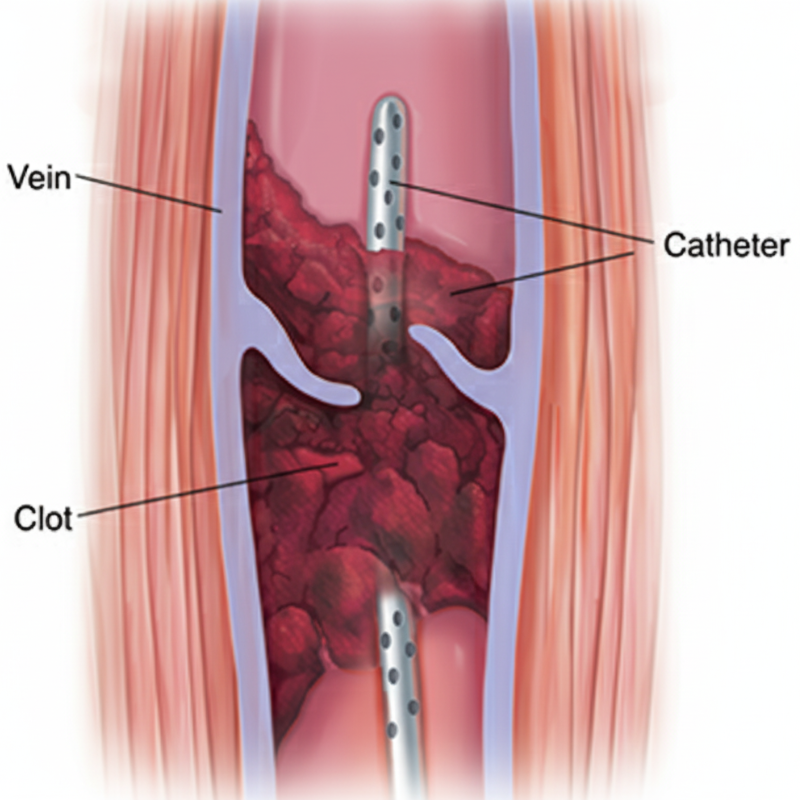
Clot-dissolving drugs are administered via a vein or catheter

Catheter-Directed Therapy

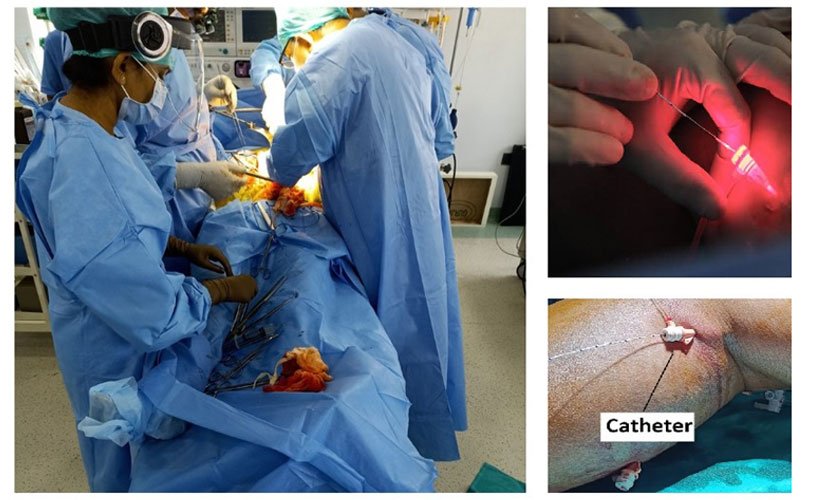
  • Potent clot-dissolving drugs are administered via a vein or catheter directly into the clot.
  • Typically used in severe cases due to higher bleeding risk.
  • Often performed under close monitoring..

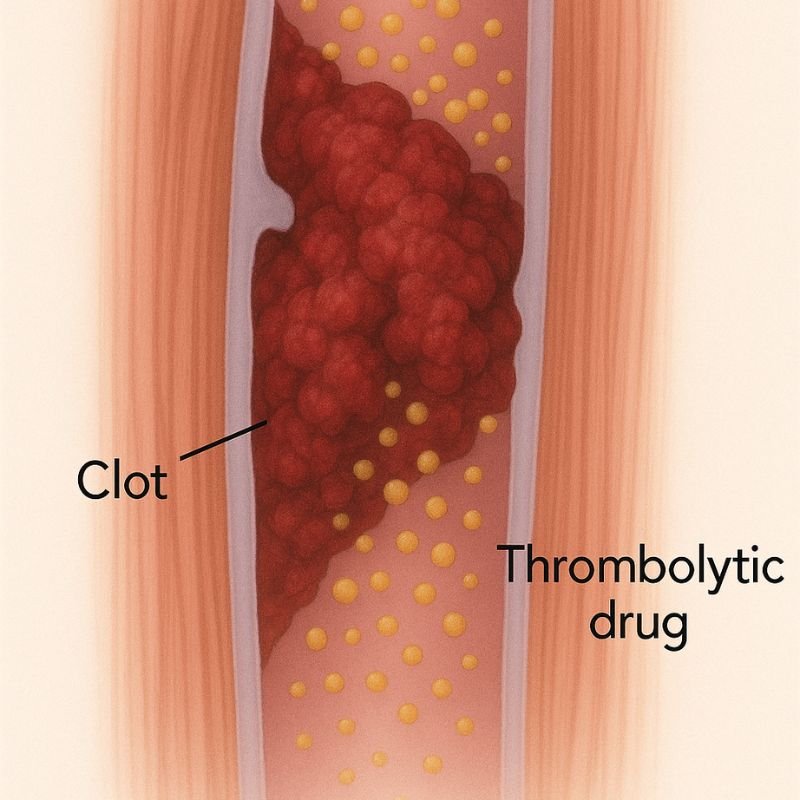
Systemic Thrombolysis (Clot Busters)

  • No longer the first choice for DVT 
  • Side effects like intracranial bleeding and retroperitoneal hematoma. 
  • Considered only in severe PE risk or in patients with low BP.
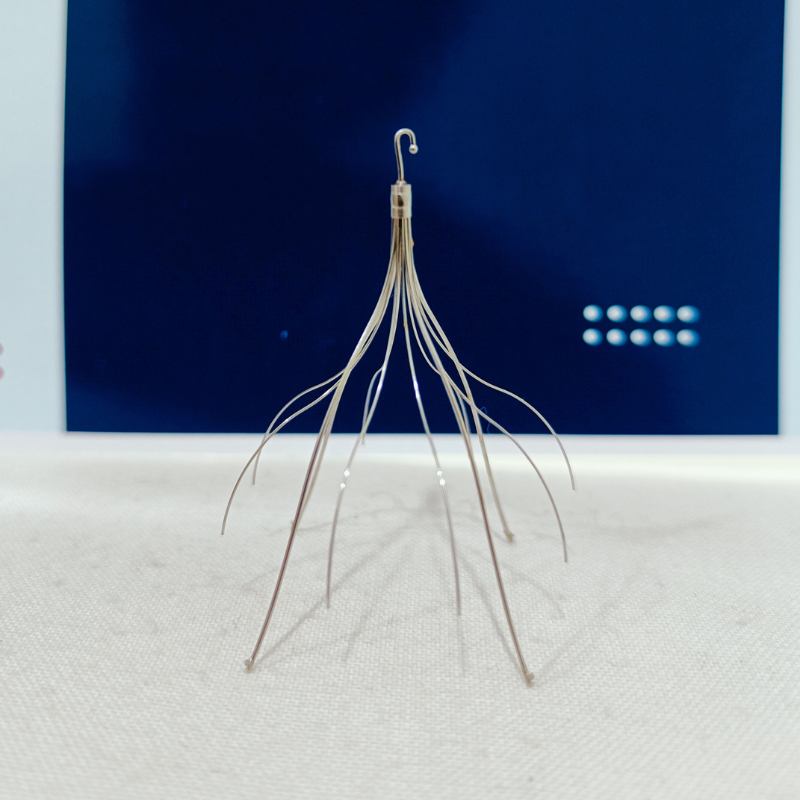
IVC Filter traps clots & prevents them from reaching the lungs

Inferior Vena Cava (IVC) Filter

  • A small filter is placed in the main abdominal vein (vena cava) to trap clots.
  • Prevents clots from reaching the lungs, reducing the risk of pulmonary embolism.
  • Considered when anticoagulants cannot be used or as a temporary safety measure.

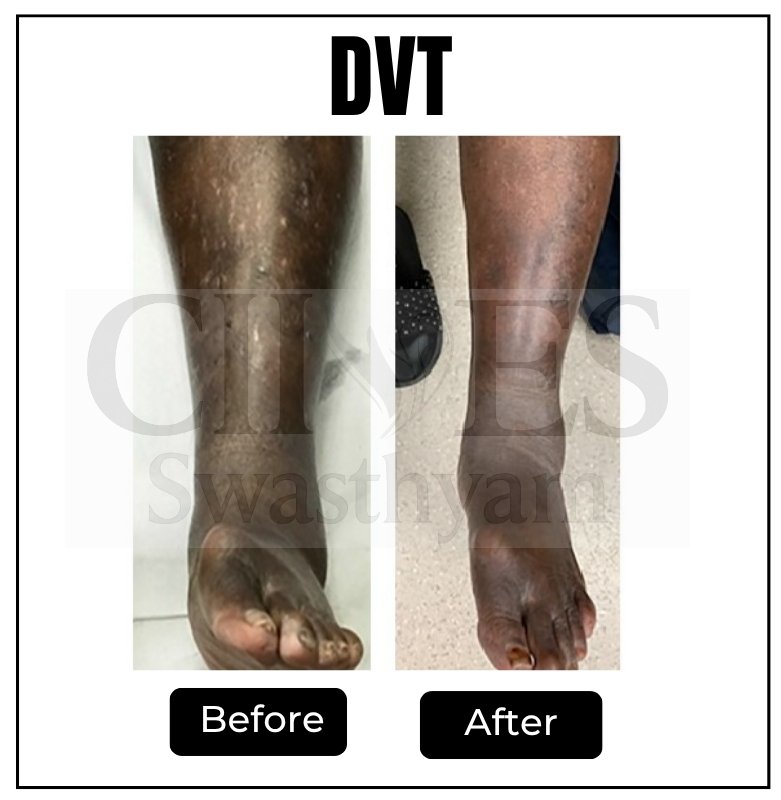
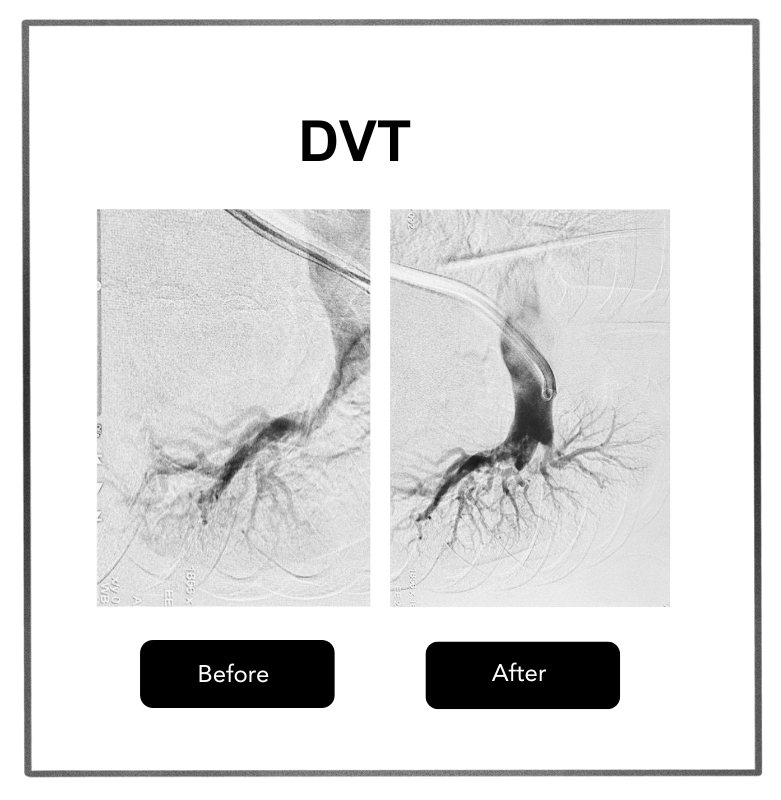
DVT Results: Before & After

Check out these results showing successful DVT treatments and improved leg health.
DVT case 1 operated at CIIVES dept with successful outcomes
DVT case 2 operated at CIIVES dept with successful outcomes

Resources

Explore these videos to understand more about DVT symptoms, treatment options and recovery.

Read More

Explore related articles to know more about DVT, ways to prevent it, and how to care for yourself after treatment.

Need more help?

💡 Book Your Appointment Now – Get expert evaluation and personalised treatment.