CIIVES Central India Institute of Vascular and Endovascular Sciences

Chronic DVT & Post-Thrombotic Syndrome (PTS)

Clots in the deep veins (DVT) that are not resolved within 1–2 months may become chronic, leaving the vein partially blocked or scarred. Even when the DVT is treated, the damage to the vein’s valves is already done.

This damage leads to impaired valve function, causing blood to pool in the leg and increasing venous pressure, starting a cascade of symptoms known as Post-Thrombotic Syndrome (PTS).
Read on to learn how chronic DVT and PTS impact your health, what signs to watch for, and the treatment options available at CIIVES Department.

What Is Chronic DVT & PTS?

Both Chronic DVT and Post-Thrombotic Syndrome (PTS) are part of the same disease process: one affecting the structure of the vein, and the other affecting its function.

What Is Chronic DVT?

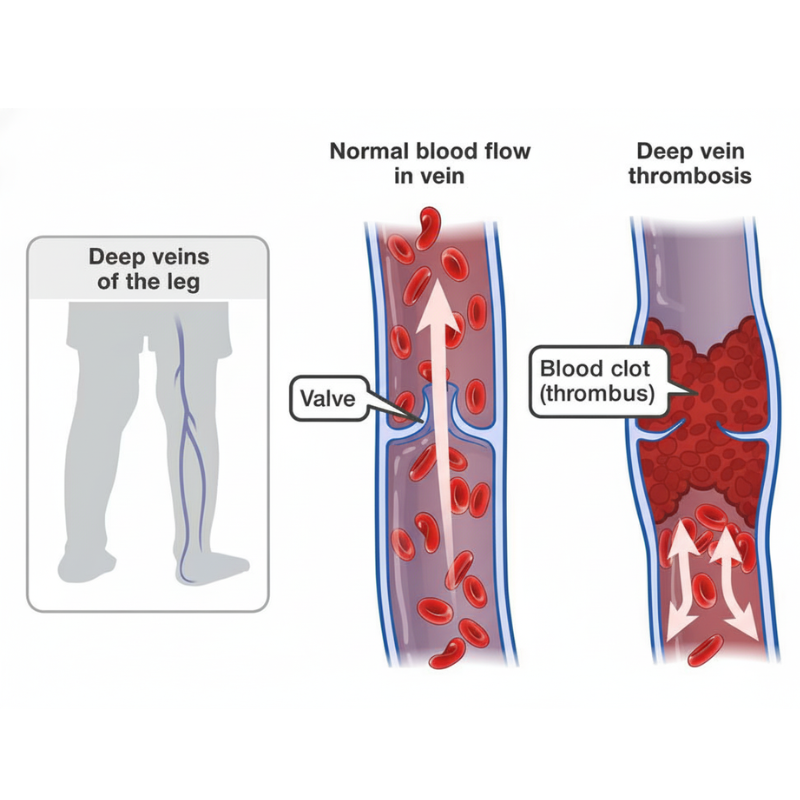
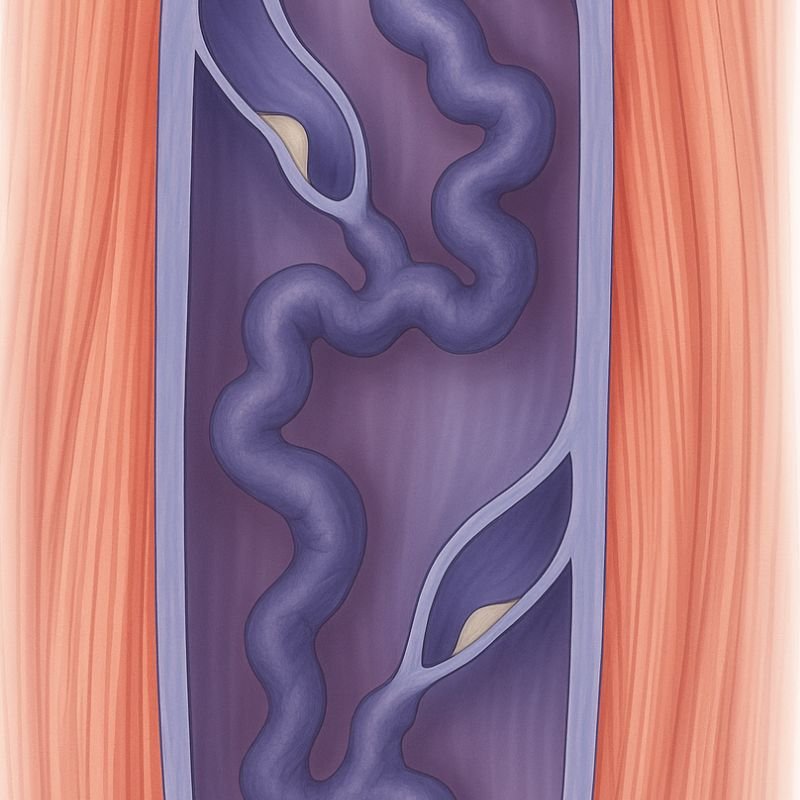
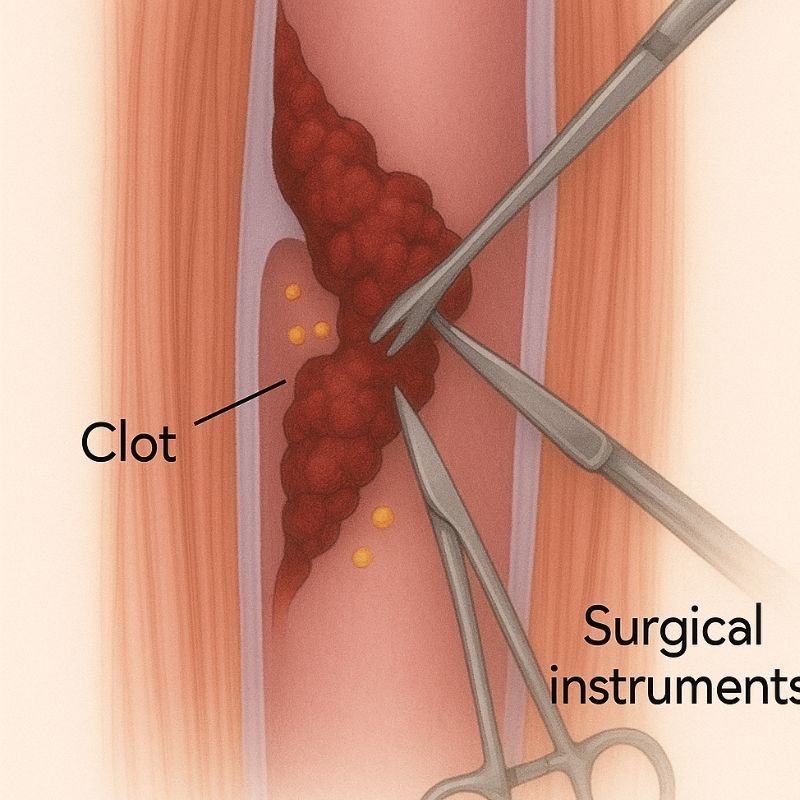
Chronic Deep Vein Thrombosis (DVT) occurs when a blood clot in the deep veins of the leg remains undetected or does not completely dissolve.

Over time, the clot becomes firm and fibrotic, leaving the vein partially blocked or permanently narrowed.

Chronic DVT
PTS or post thrombotic syndrome

What Is Post-Thrombotic Syndrome (PTS)?

PTS is a chronic condition that gradually develops weeks or months after a DVT.
Long-standing clots or vein damage from DVT injure the valves that normally prevent backward blood flow.
Once these valves fail, blood begins to pool in the lower leg, increasing venous pressure and triggering a cascade of symptoms known as Post-Thrombotic Syndrome.

Put simply:

  • Chronic DVT = a long-standing clot — undetected or incompletely resolved.
  • PTS = the set of symptoms caused by valve damage after an episode of DVT (acute or chronic).

Signs & Symptoms

The symptoms of Chronic DVT and PTS often develop gradually and may persist for months or years after the initial clot.
While some people experience mild discomfort, others may have more advanced symptoms affecting daily mobility and skin health.
Heaviness or swelling in leg

Heaviness & Leg Swelling

  • Persistent or recurring swelling in one leg, especially around the ankle or calf.
  • A dull ache, tightness, or heaviness in the affected leg.
  • Often starts after long periods of standing or walking.
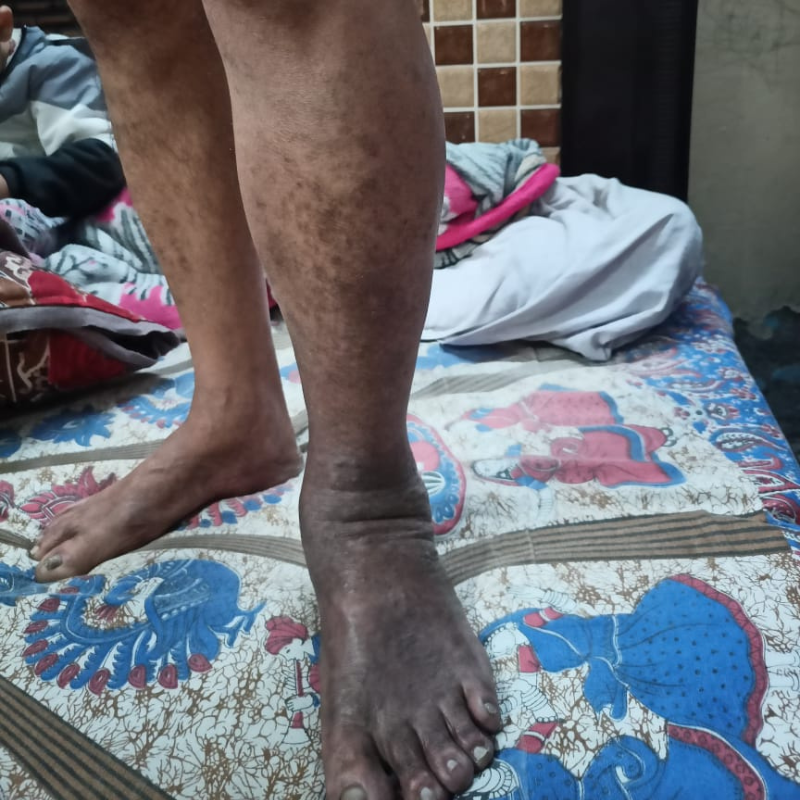
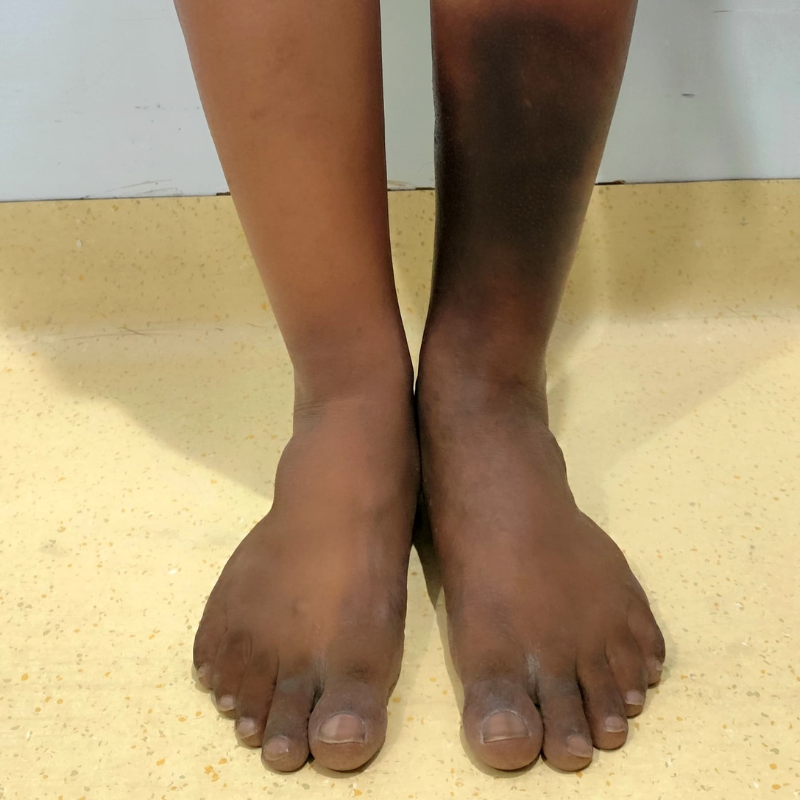
Skin discolouration

Skin Discolouration

  • Darkening or redness of the skin, especially around the lower leg or ankle.
  • Occurs due to long-term venous congestion and increased pressure.
Hardening of skin

Hardening of Skin

  • The skin and underlying tissue may become thickened, firm, or shiny.
  • This is a sign of chronic inflammation and fibrosis caused by poor circulation.
Varicose veins

Varicose Veins

  • New varicose veins may appear, or older varicosities may start to worsen.
  • This happens as the body tries to reroute blood flow around the blocked or damaged veins.
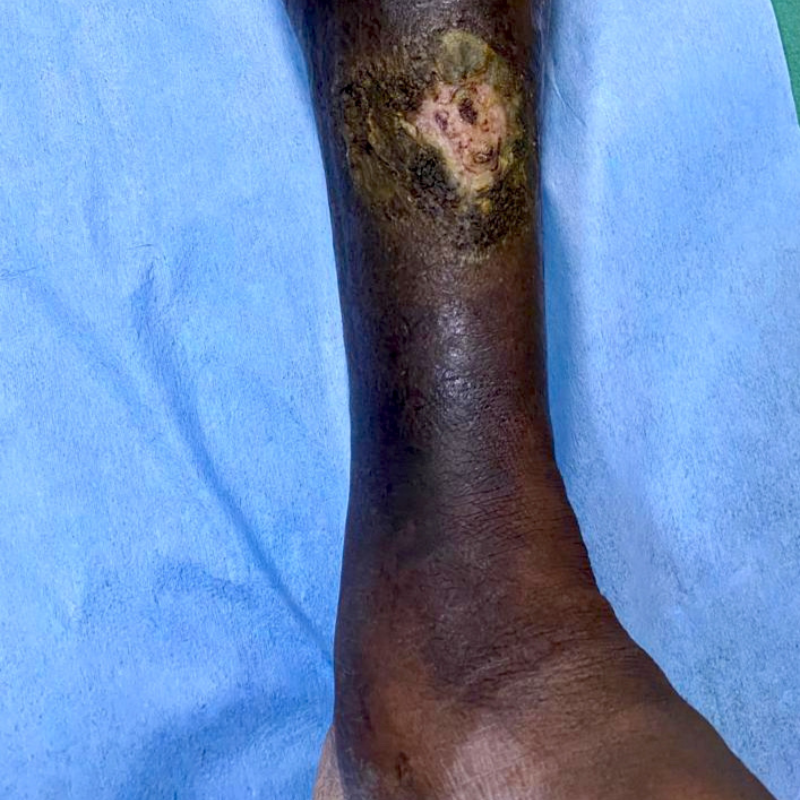
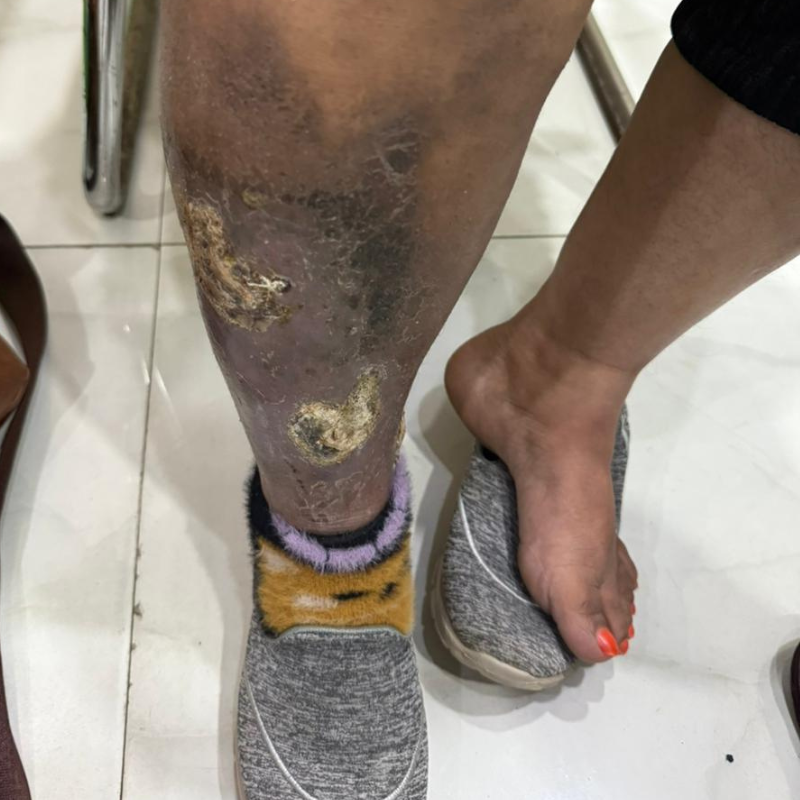
Chronic DVT

Ulcers

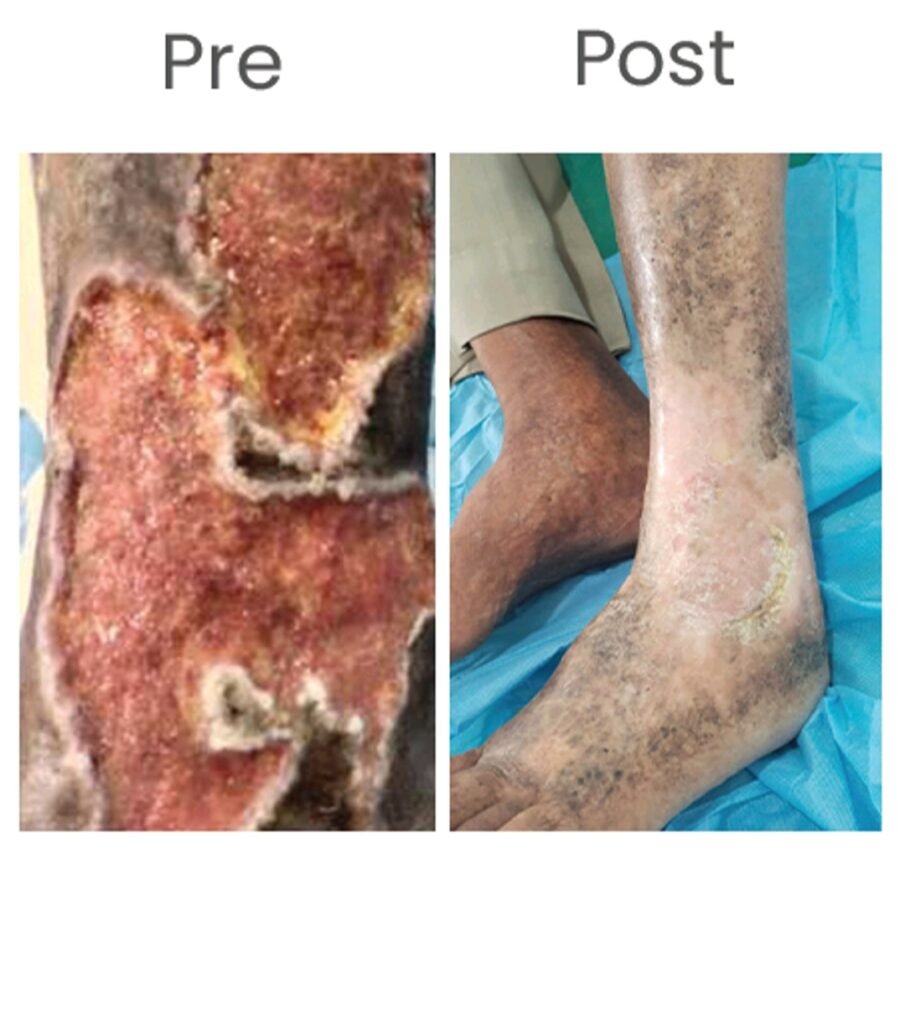
  • In advanced stages, venous ulcers can form near the ankles. 
  • These wounds heal slowly and may recur without proper treatment and compression care.

Treatment & Management Options

Managing Chronic DVT and PTS focuses on treating the clot, relieving symptoms and preventing recurrence.
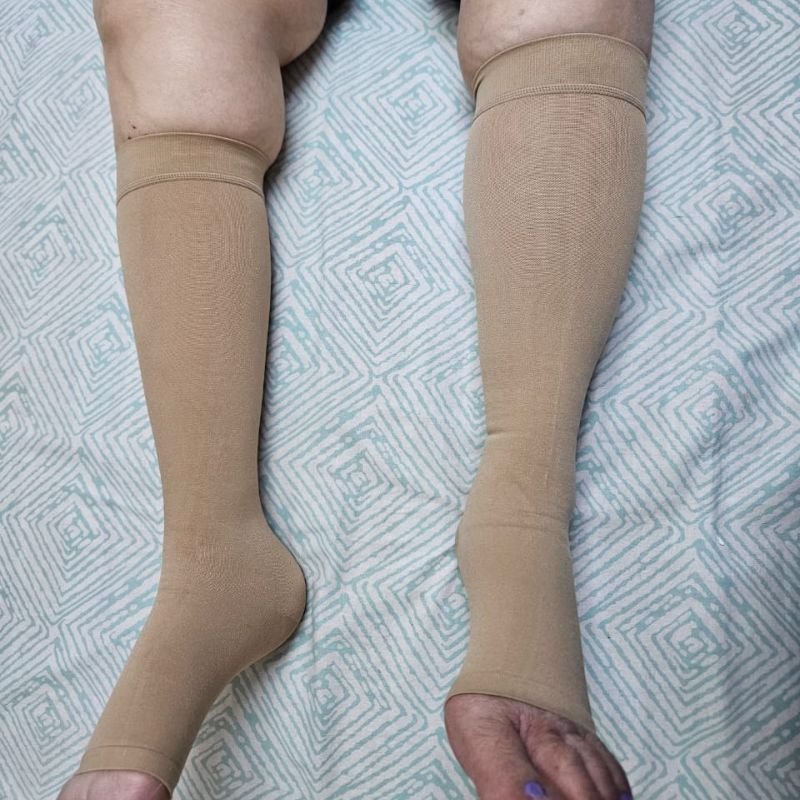
Compression Therapy
Compression stockings support the veins and prevent blood pooling.

Compression Therapy

Wearing compression stockings helps:

  • Reduce leg swelling
  • Improve blood flow
  • Prevent skin changes and ulcers

Compression is recommended daily for several hours, especially during standing or walking. At CIIVES, we provide custom stockings to our patients based on their calf & thigh measurements.

Anticoagulants or blood thinners prevent existing clots from enlarging

Medications

Medications may include:

  • Anticoagulants (blood thinners): Prevent new clots from forming
  • Pain or anti-inflammatory medications: Ease discomfort or swelling

Medication cannot reverse valve damage, but it helps manage symptoms and prevent complications.

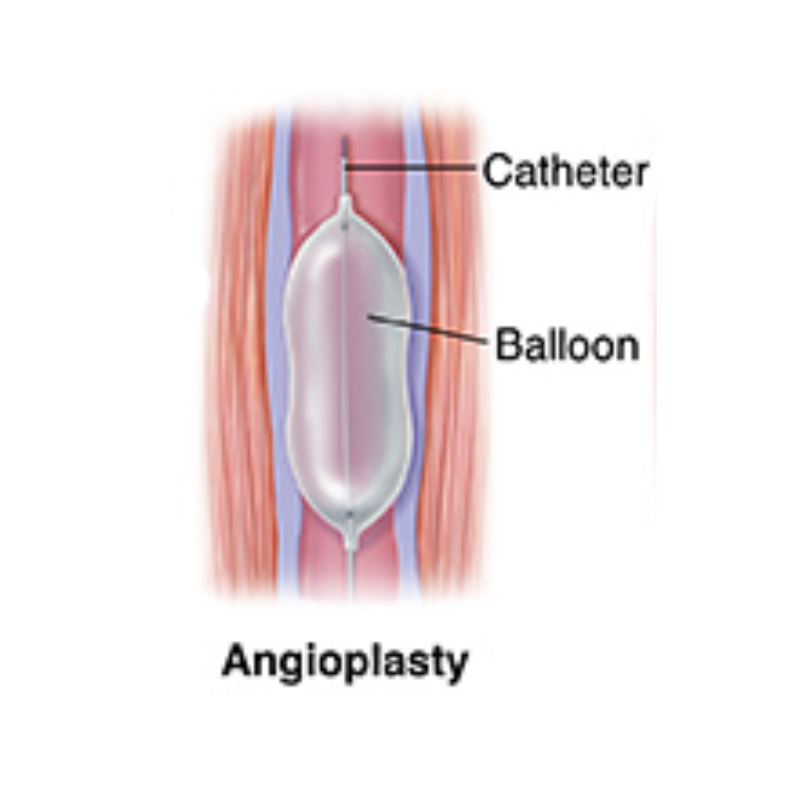
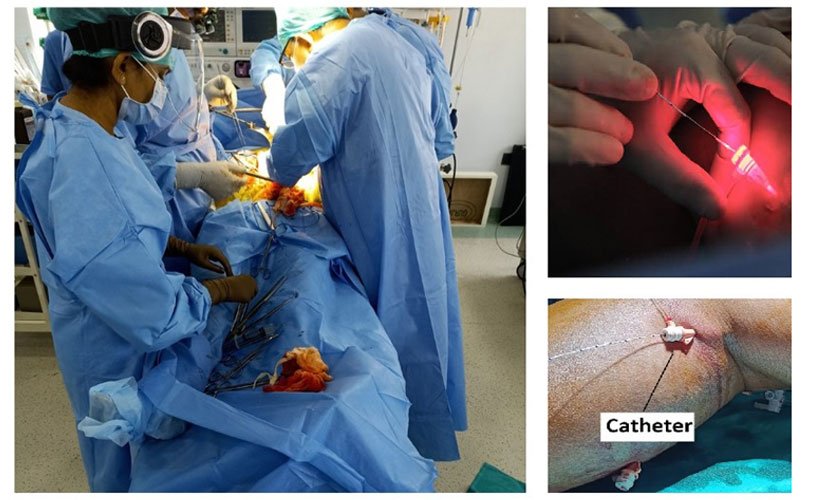
Venoplasty is similar to angioplasty but in the vein

Endovascular Treatments

Minimally invasive procedures such as venoplasty or stenting can:

  • Opens the narrowed or chronically blocked veins
  • Restore venous return
  • Relieve swelling, heaviness, and discomfort

These procedures are usually considered when conservative measures are insufficient or symptoms significantly impact daily life.

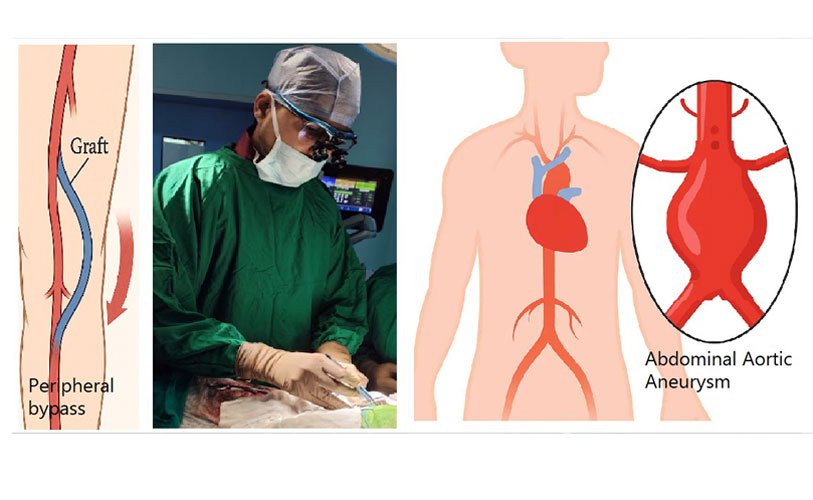
Surgical options for debridement

Surgical Options

In severe or complicated cases, surgical intervention may be recommended:

  • Vein bypass to restore circulation
  • Ulcer management with advanced wound healing methods for non-healing wounds

Surgery is generally reserved for patients who do not respond to conservative or endovascular treatments.

PTS Treatment Results: Before & After

Discover how restoring proper vein flow and managing chronic DVT symptoms helps patients regain comfort and mobility.
Case of venous ulcer due to chronic DVT: Before & after treatment

Resources

Watch expert videos explaining how PTS develops and how endovascular treatments can restore vein health.

Read More

To know more about preventing post-DVT complications and maintaining healthy circulation.

Need More Help?

Speak with our vascular care specialists to schedule your evaluation today.