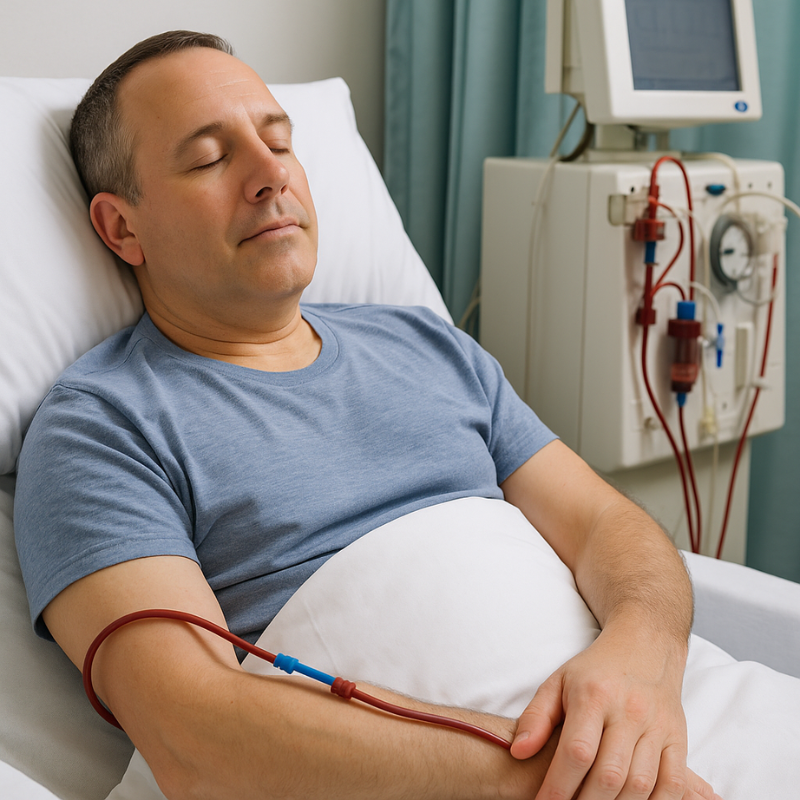
AV Fistula is required in patients with chronic kidney disease or kidney failure who need dialysis – a treatment that filters your blood using a machine.
When made by an experiencedvascular surgeon, an AVF becomes a reliable lifeline for dialysis, lasting for years, reducing risks, and improving overall quality of life.
Read on to understand more about AVF and how it supports long-term dialysis.
What Is an AV Fistula?
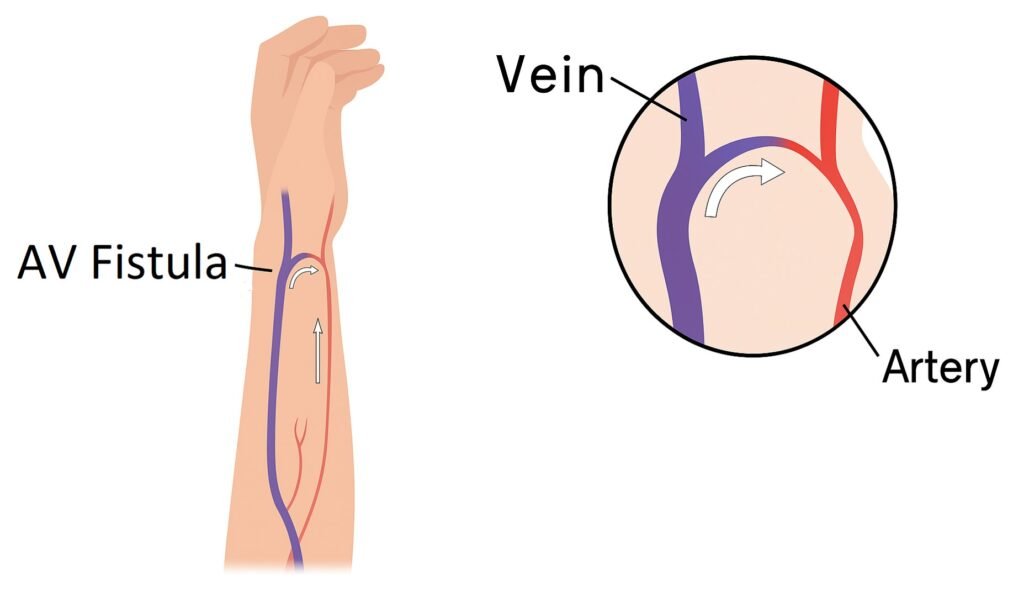
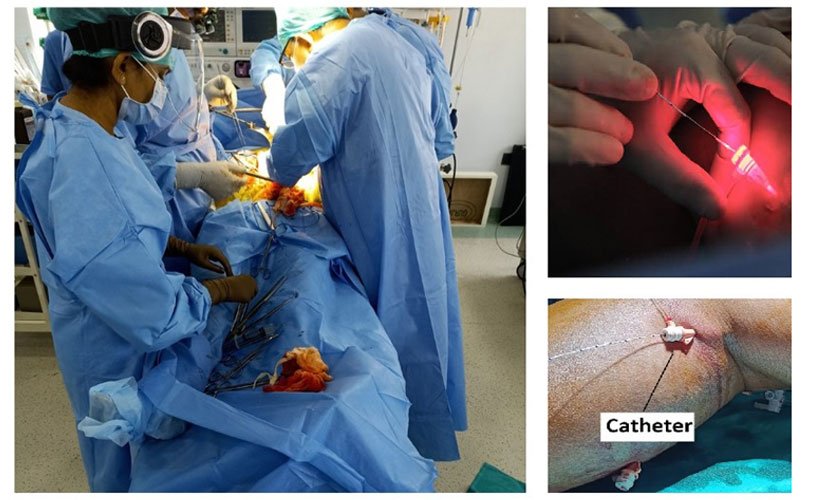
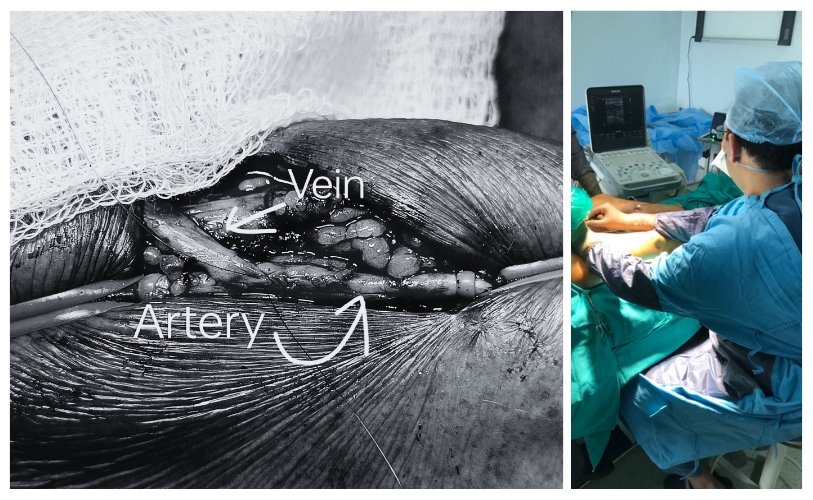
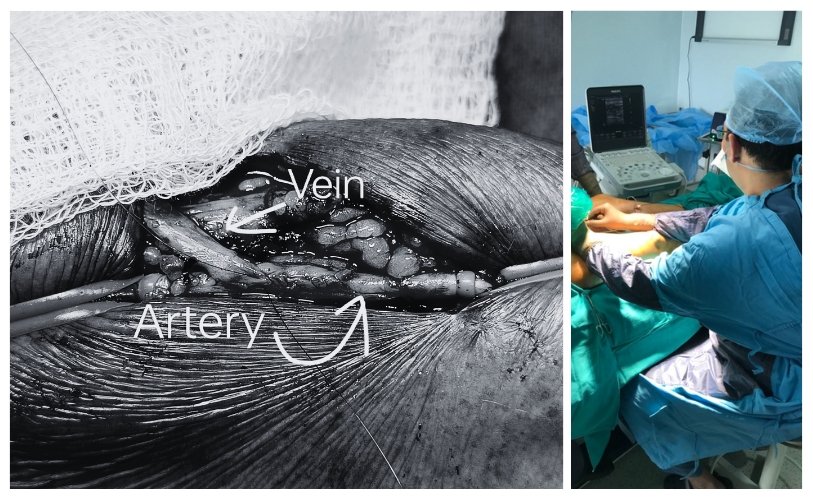
An Arteriovenous Fistula (AVF) is a small artificial connection created surgically between an artery and a vein, most commonly in the forearm or upper arm.
This connection provides for a strong and stable access point across multiple dialysis sessions. The steady blood flow also makes dialysis faster and safer.
AVFs are considered the gold standard for long-term dialysis access because they:
Offer steady blood flow for a smooth session.
Have a lower risk of infection and clotting.
Last longer than catheters or grafts.
Signs of Successful AV Fistula
It takes about 4 to 6 weeks for an AVF to mature before it can be used. Once your AV fistula has healed, these signs suggest it’s working well:
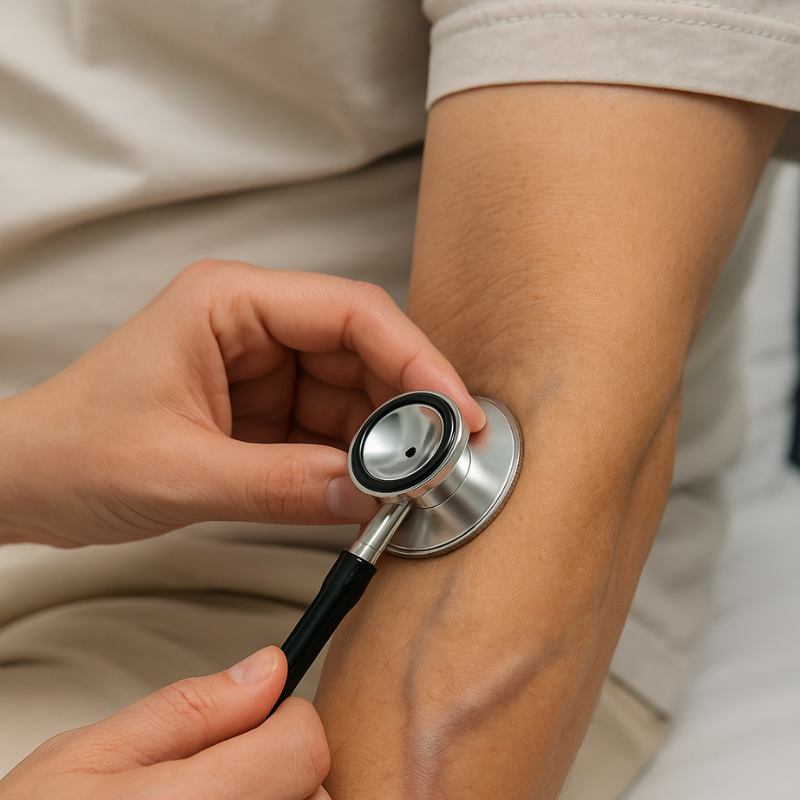
Bruit
A soft, continuous “whooshing” sound heard through a stethoscope, indicating smooth blood flow through the fistula.
Thrill
A gentle vibration or buzzing is felt on placing your fingers over the site due to turbulent blood flow.
Surgical Site
There is no pain or swelling There is no infection or redness around the area
Smooth Dialysis
A successful AV fistula allows smooth and steady blood flow during dialysis.
Aftercare
After surgery, proper care helps your AVF heal and grow stronger.
Keep the area clean and dry.
Don’t lift heavy weights or sleep on that arm.
Do hand-grip exercises using a soft ball.
Avoid tight clothing or blood pressure cuffs on the same arm.
Follow-up
Regular follow-up visits are important to ensure adequate healing
First visit (after 7 days): To assess wound healing and if the fistula is open (patent).
Second visit (after 1 to 1.5 months): Before starting dialysis, to ensure the fistula is ready for use.
Third visit (after 3 months): To check for any narrowing, blockage, or issues with blood flow.
If you notice pain, swelling, or anything unusual, consult your vascular surgeon right away.
AV Fistula Results
Discover how a well-functioning AVF improves dialysis efficiency and patient comfort.
Resources
Watch expert videos explaining how AVF is created and cared for after surgery.
Read More
Read more about dialysis access options and maintaining vascular health during treatment.