Table of Contents
What Does A Vascular Surgeon Do?
Our body has a network of blood vessels called arteries that carry blood away from the heart and veins that bring it back. Vascular surgeons are experts who keep the blood flowing to prevent strokes or limb loss.
What Procedures Do Vascular Surgeons Perform?
Just like cardiac surgeons perform angioplasty or bypass surgery to treat heart blockages, vascular surgeons perform peripheral angioplasty or peripheral bypass to treat blockages in the arms, legs, abdomen, or pelvis.
They use two main approaches:
- Open surgery – A surgical incision is made to access and treat the blood vessels.
- Endovascular surgery – A minimally invasive technique done through a small puncture, treating vessels from the inside with quicker recovery and less discomfort.
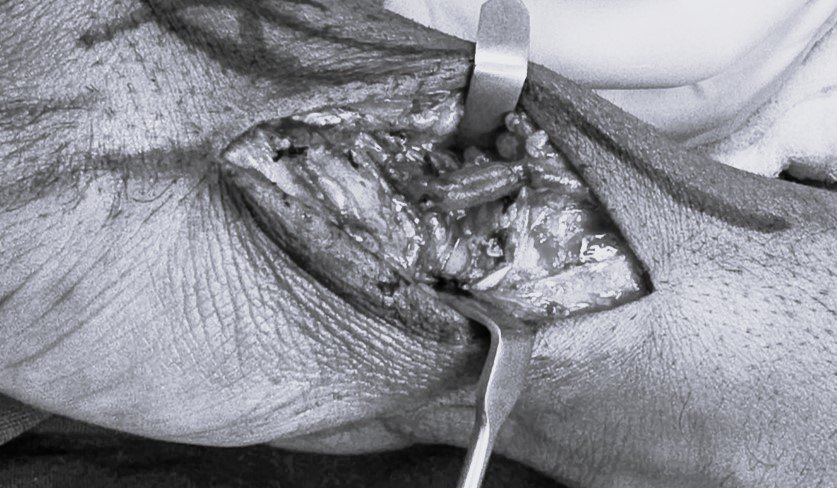
Depending on the patient’s condition, the vascular surgeon chooses the safest and most effective option.
Common Conditions Treated by Vascular Surgeons
- Varicose Veins – Enlarged, twisted veins caused by faulty valves that allow blood to pool in the legs.
- Deep Vein Thrombosis (DVT) – A blood clot in a deep vein, usually in the leg, that can travel to the lungs if untreated.
- Peripheral Artery Disease (PAD) – Narrowed arteries reducing blood flow to the legs, causing pain while walking and slow-healing wounds.
- Carotid Artery Disease – Narrowing of neck arteries that supply the brain, increasing stroke risk.
- Aneurysms – Abnormal bulging or weakening of the aorta that may rupture if not treated.
- Diabetic Foot – Poor circulation and nerve damage, causing ulcers and infections in people with diabetes.
- AV Fistula for Dialysis – Surgical creation of a connection between an artery & vein to provide reliable access for hemodialysis.
Along with these, vascular surgeons also manage conditions such as lymphedema, thoracic outlet syndrome (TOS), renal artery stenosis, & mesenteric ischemia, among several other vascular disorders.
How Are Vascular Surgeons Different from Cardiothoracic Surgeons?
Broadly, vascular surgeons treat the peripheral blood vessels outside the heart and brain, such as those in the groin region, abdomen, and limbs. In contrast, cardiothoracic surgeons involve procedures of the heart and chest region, including heart bypass and valve replacement surgeries.
Though they may seem similar, their areas of expertise and types of surgeries are distinct. Unlike cardiothoracic surgeons who primarily perform open surgeries, vascular surgeons are trained in open, endovascular (minimally invasive), and hybrid procedures.
They can sometimes combine both open and endovascular techniques in the same patient — a unique versatility that no other surgical speciality offers.
When Should You See a Vascular Surgeon?
Ignoring early signs of vascular disease, assuming they’re minor or age-related, is like a ticking time bomb. If left untreated, these symptoms can escalate quickly.
Common signs that need a vascular opinion include unexplained leg pain, visible vein changes, non-healing wounds, or sudden weakness.
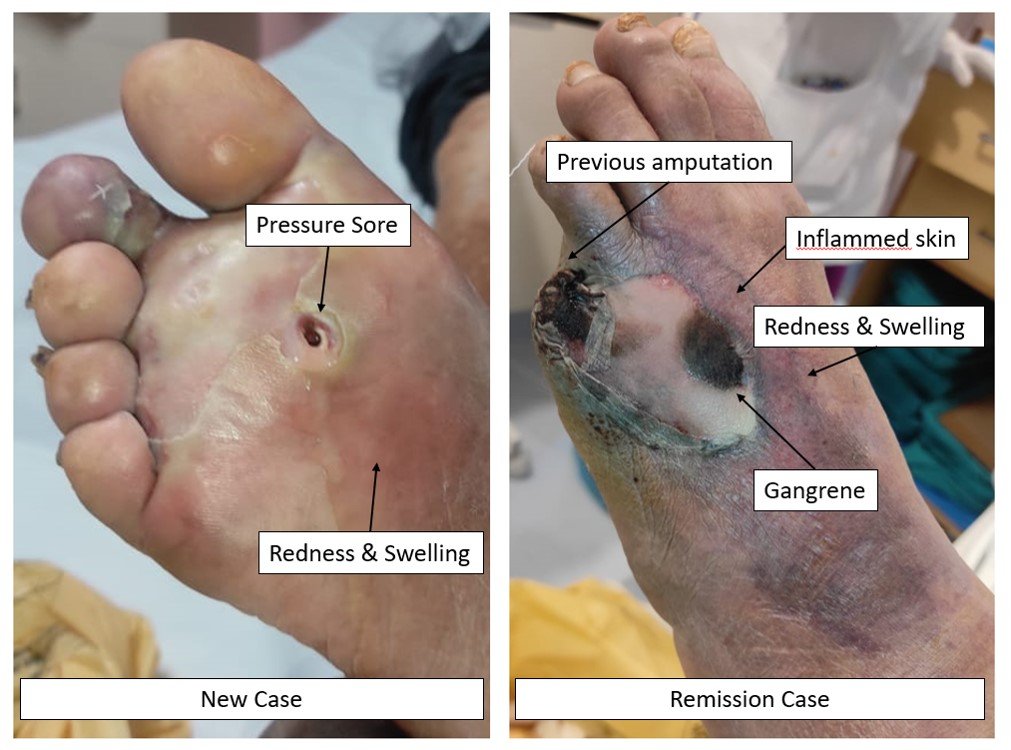
In severe cases, blocked blood flow can lead to tissue death and gangrene. But if caught early, vascular surgeons can often restore circulation and help save the limb.
Choosing The Right Specialist
The role of a vascular surgeon is both complex and critical. That’s why it’s essential to consult a specialist with the right training and experience.

After completing an MBBS and a three-year post-graduate residency (MS or DNB) in General Surgery, they undergo an additional three years of super-speciality training (MCh or DrNB) focused entirely on vascular and endovascular techniques.
This makes them uniquely equipped to treat vascular disorders and emergencies.
Why It Matters?
A qualified vascular surgeon is best positioned to save limbs at risk of amputation, prevent stroke and handle complications during or after procedures.
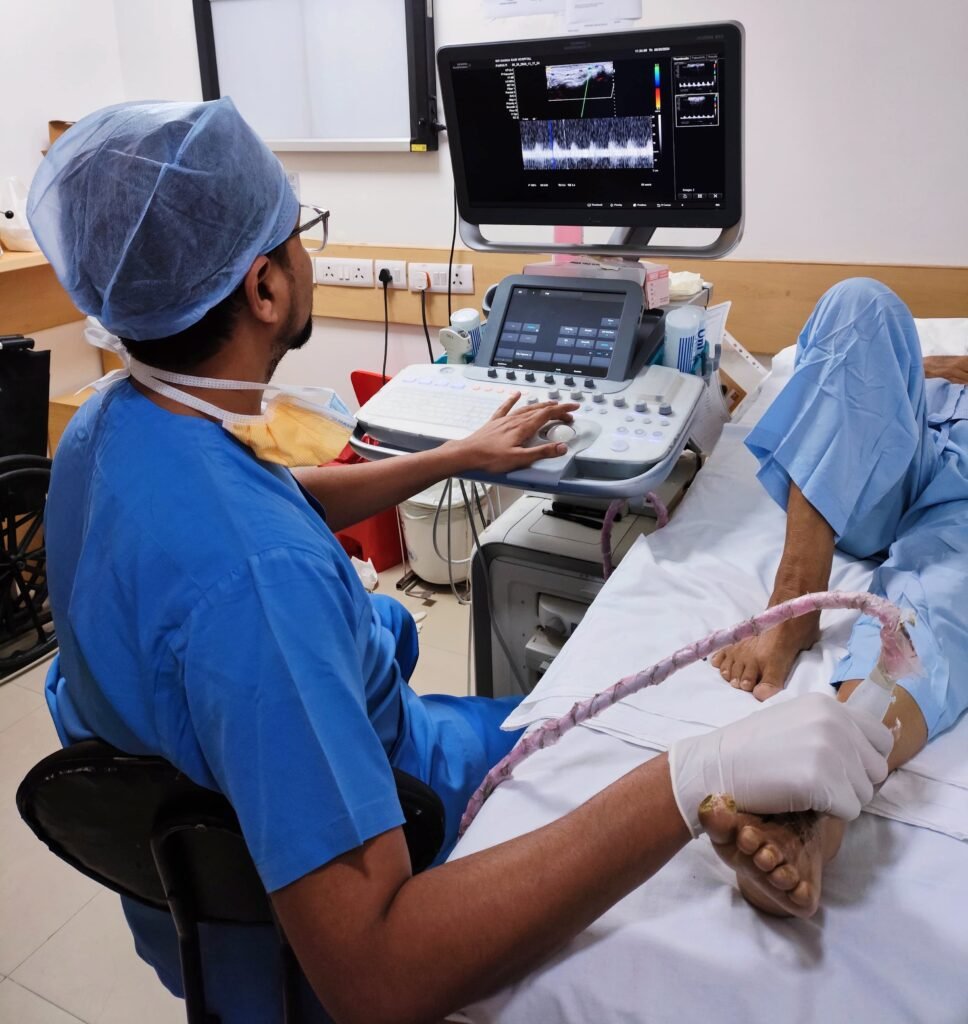
Consulting the right specialist ensures:
- Best emergency care
- Accurate vascular Doppler assessments
- Safe balance between medication, precautions and surgical options
- Timely intervention to prevent stroke or amputation
- Long-term preventive care to avoid recurrence
From elective procedures and complex endovascular surgeries to emergency interventions, you’re in the best hands when in a vascular surgeon’s care