An aneurysm is a bulge in an artery wall that grows slowly without causing symptoms.
Though relatively uncommon in India, aneurysms gained attention after actor Rajinikanth recovered from one.
Read on to learn what aneurysms are, how to spot them, and available treatment options.
What Is an Aneurysm?
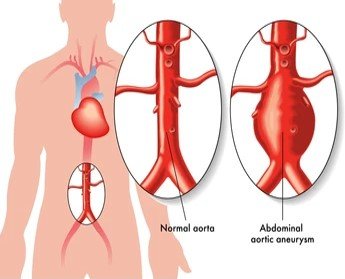
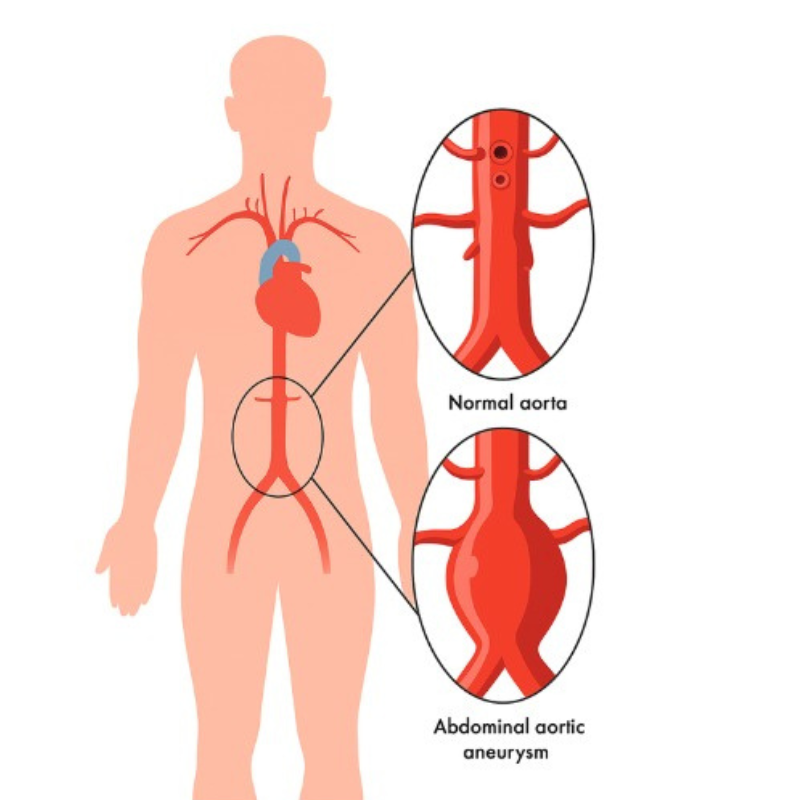
An aneurysm is the ballooning of the vessel wall involving the layers of the vessel wall. Over time, as blood flow continues, the pressure causes the area to stretch and enlarge.
Aneurysms can occur in:
Thoracic Aorta: the main artery in the chest carrying blood from the heart to the body.
Abdominal aorta: the major artery in the stomach area supplying the lower body.
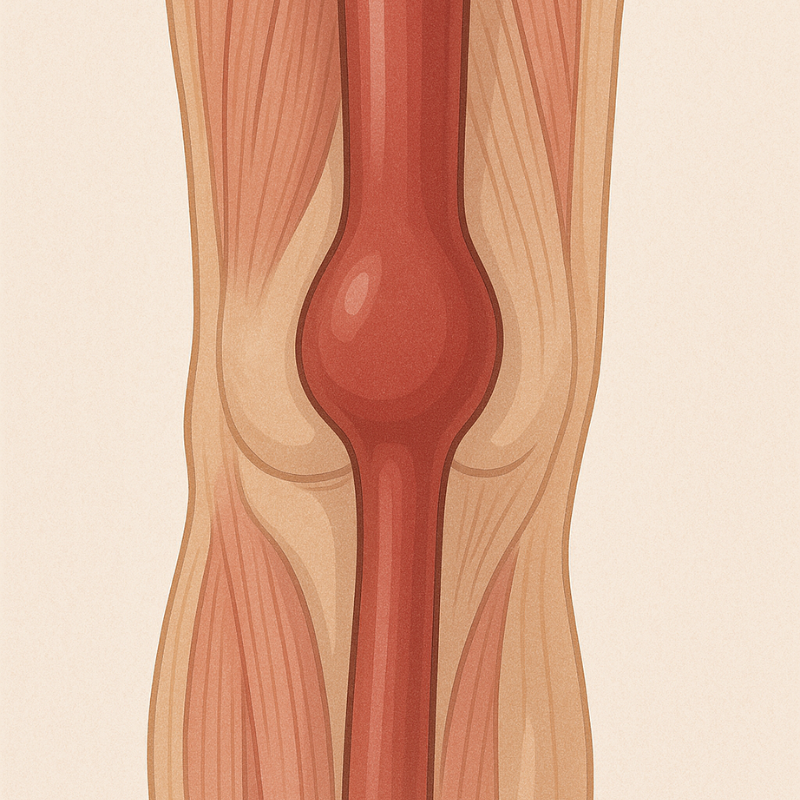
Peripheral arteries: in the arms, legs, or neck.
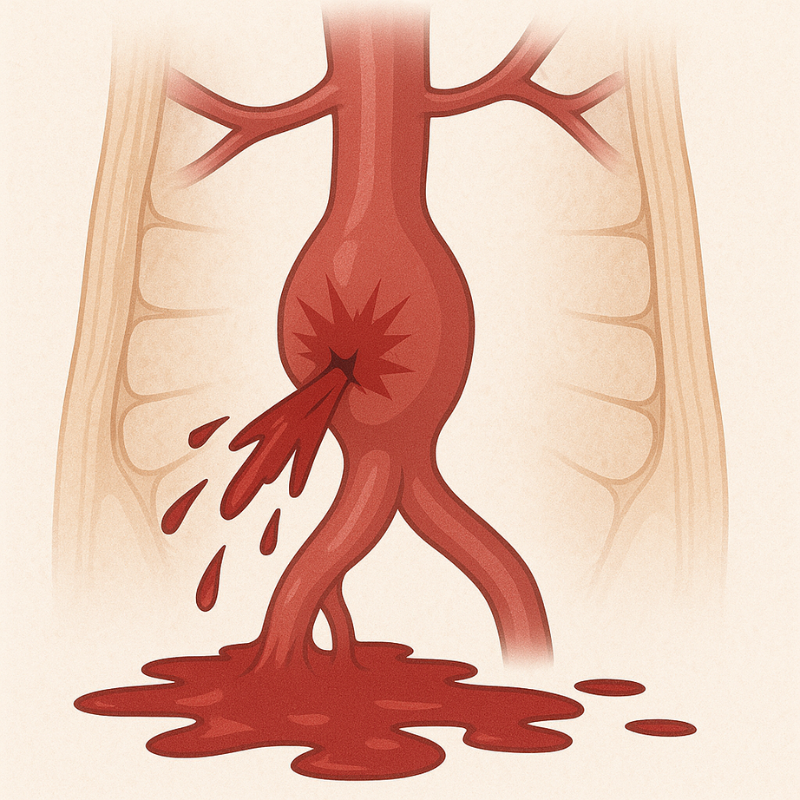
If the vessel wall weakens too much, the aneurysm can rupture, causing life-threatening internal bleeding.
Types of Aneurysms
True aneurysm: involves all layers of the vessel wall.
Pseudoaneurysm: involves only the outer layer of the vessel wall.
Aneurysm Symptoms
Aneurysms are often silent until they grow large or rupture. However, depending on the location, some warning signs can appear.
Aortic Aneurysm
Deep, steady pain in the chest or abdomen.
A pulsating sensation is felt in the back.
Sudden severe pain if the aneurysm ruptures.
Peripheral Aneurysm (Legs/Arms)
Lump or pulsating swelling in the leg/arm or behind the knee, depending on the site.
Pain, numbness, or coldness in the limb due to poor blood flow.
Discolouration of skin.
Ruptured Aneurysm
Sudden, intense pain at the site.
Rapid heartbeat, dizziness, or fainting.
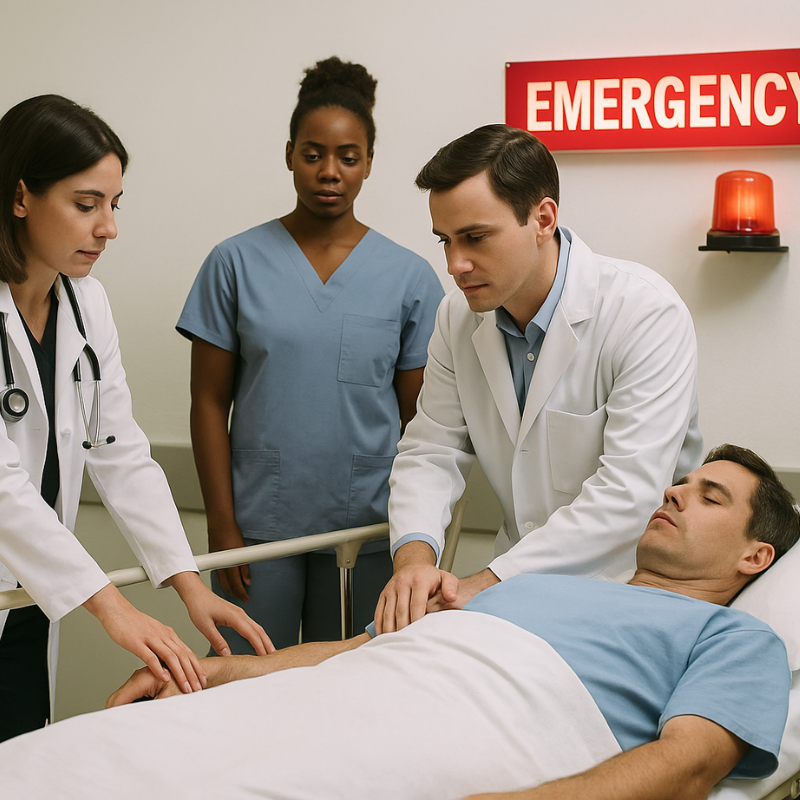
Ruptured aneurysms are life-threatening as they cause massive internal bleeding. It is a medical emergency.
No Symptoms?
Many aneurysms go unnoticed because:
They grow slowly without pain or other signs
Routine health checks are often ignored
Aneurysm Treatment Options
Treatment depends on aneurysm size, location, and rupture risk. At CIIVES, we use the latest vascular techniques for safe, effective results.
Lifestyle Changes
Lifestyle Changes
Quit smoking & exercise regularly for good vascular health
Medications help manage risk factors, such as blood pressure and cholesterol, to prevent the aneurysm from growing or rupturing.
Monitoring (Surveillance)
Monitoring (Surveillance)
Small, stable aneurysms are closely monitored through ultrasound or CT scans every few months to track size changes.
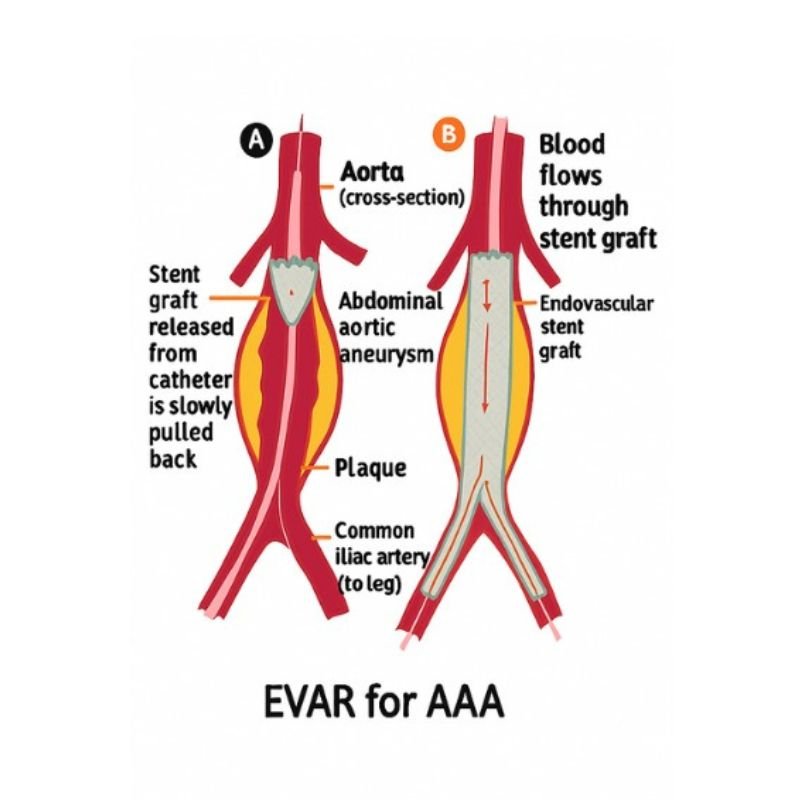
Endovascular Repair (EVAR/TEVAR)
Endovascular Repair (EVAR/TEVAR)
A minimally invasive procedure where a stent graft is placed inside the artery to reinforce the weakened wall and prevent rupture.
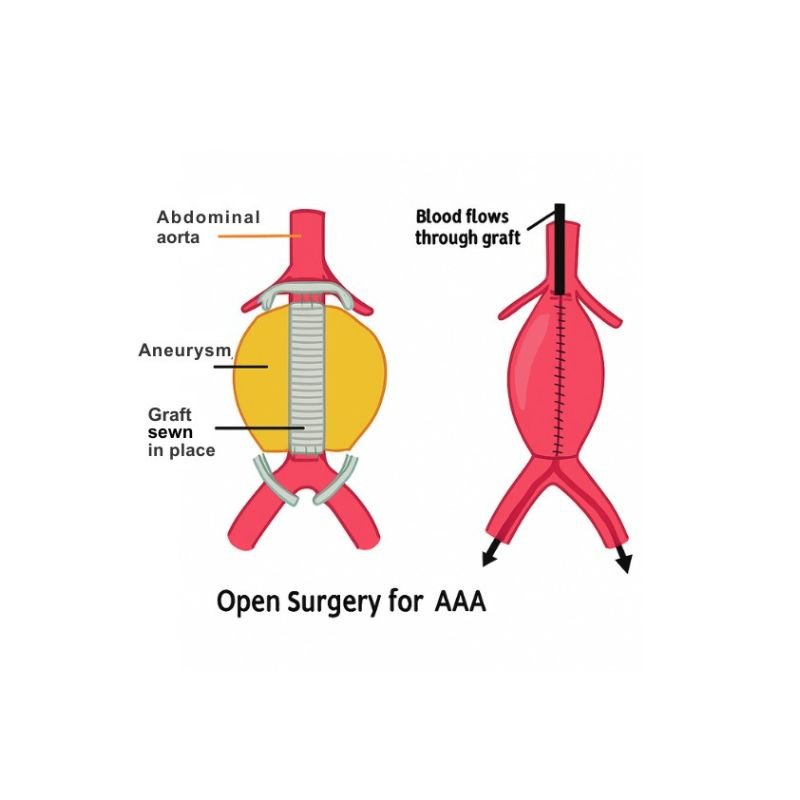
Open Surgical Repair
Open Surgical Repair
Used for larger or complex aneurysms. The damaged section of the artery is replaced with a synthetic graft.
Emergency Surgery
Emergency Surgery
For ruptured aneurysms, immediate surgical intervention is critical to stop bleeding and restore circulation.
Aneurysm Treatments: Before & After
Discover how timely aneurysm repair has saved lives and prevented life-threatening ruptures.
Resources
Watch expert videos explaining how aneurysms develop and how endovascular repair helps prevent ruptures.
Need More Help?
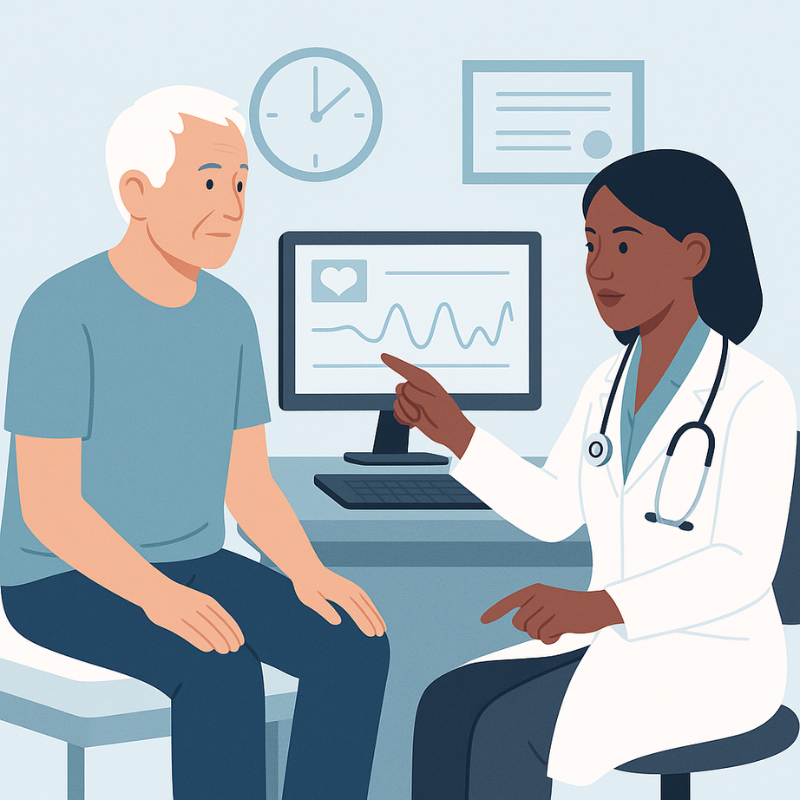
If you’ve been diagnosed with an aneurysm or have risk factors like high blood pressure, smoking, or family history, don’t ignore it. Early detection can save your life.
Speak with our vascular team to book a consultation or screening today.