CIIVES Central India Institute of Vascular and Endovascular Sciences

Diabetic Foot & Gangrene

Diabetes damages small blood vessels (microvasculature), leading to poor wound healing & nerve damage (peripheral neuropathy).
Reduced sensation means wounds can go unnoticed, and even minor cuts or blisters may turn into non-healing ulcers or serious infections like gangrene.

What is Diabetic Foot/Ulcer (DFU) & Gangrene?

Diabetic foot refers to a range of foot problems that develop in people with long-term high blood sugar levels. Over time, diabetes damages small blood vessels, reducing blood flow to the feet.

It also causes nerve damage or peripheral neuropathy, which lowers sensation and makes it harder to feel pain, pressure, or injuries. As a result, even minor cuts & wounds go unnoticed.

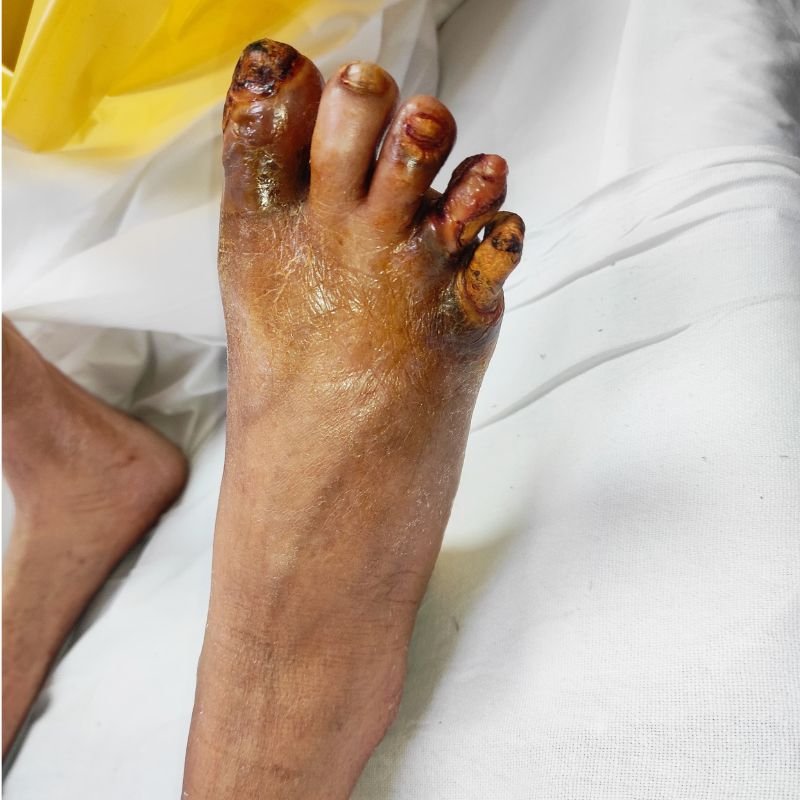
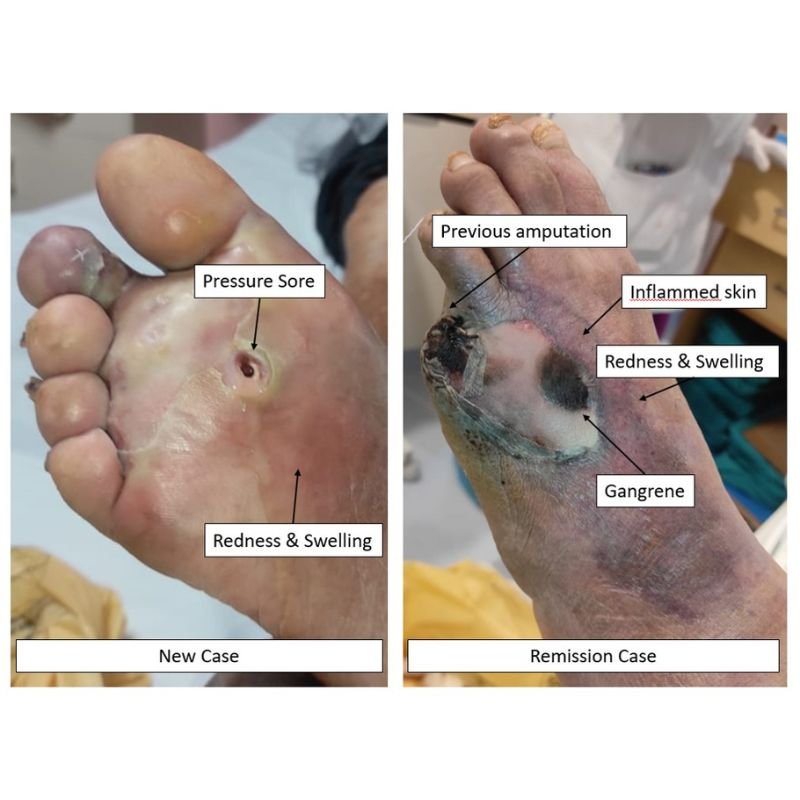
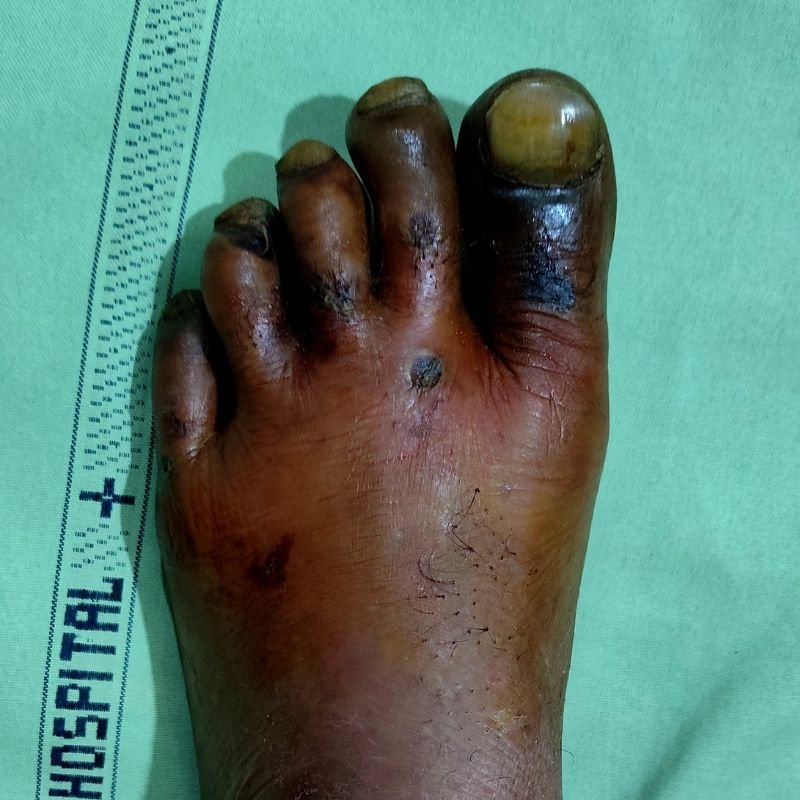
Poor circulation and high blood sugar create an environment prone to infections and impaired healing. If left untreated, these injuries can turn into non-healing ulcers and, in severe cases, lead to gangrene (black foot), where tissue dies and amputation may be necessary.

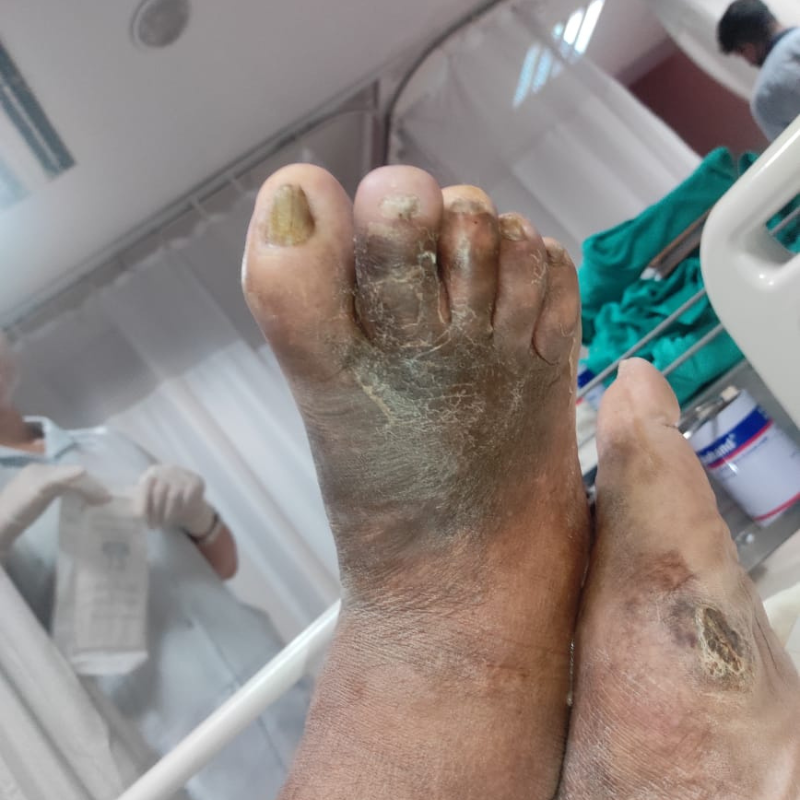
DFU Signs & Symptoms

Diabetic foot problems often develop gradually due to glycation, where high blood sugar binds with fats & proteins in the bloodstream to form advanced glycation end-products (AGEs).

These AGEs deposit in blood vessels, especially arteries, causing narrowing and reduced blood supply.
This triggers a cascade of symptoms that can progress over time.

Poor Blood Flow

  • Reduced blood flow causes cold or pale feet, slow healing of cuts or injuries, and hair loss on toes and feet.
  • Poor circulation increases vulnerability to ulcers and infections, making early detection essential.

Numbness or Tingling

  • Reduced oxygen and nutrient supply to nerves leads to nerve damage (diabetic neuropathy).
  • Patients may experience numbness, tingling, or reduced sensation in the feet.
  • Pain from cuts or minor injuries goes unnoticed, increasing the risk of infection.

Skin Changes

  • Poor blood supply reduces skin nutrition, making it dry, cracked, or brittle.
  • Calluses, thickened toenails, redness, or unusual warmth may develop, signaling inflammation or infection.

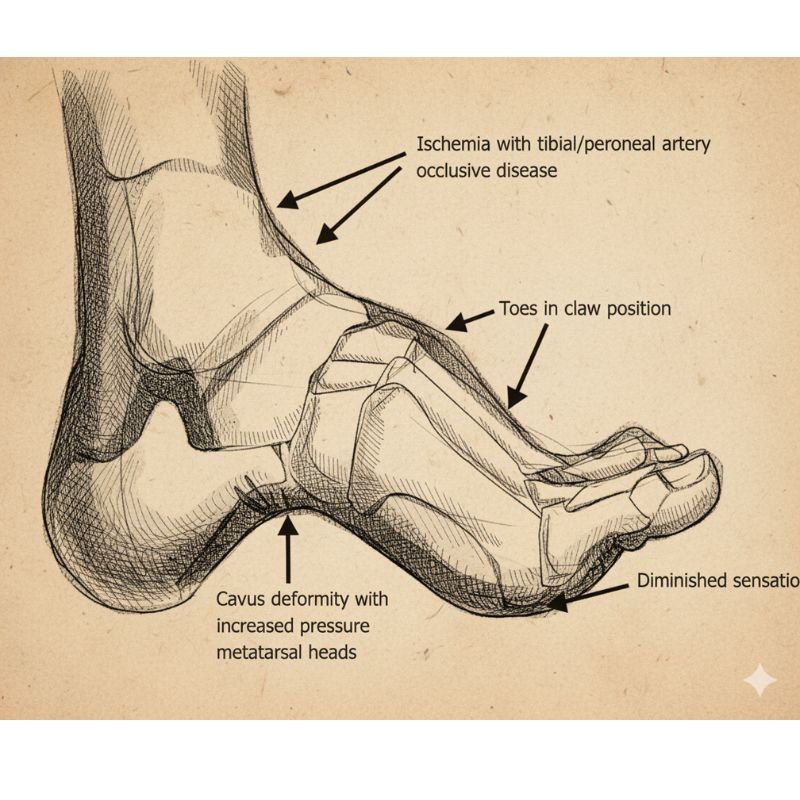
Foot Deformities

  • Nerve and muscle damage can alter foot structure and shape.
  • Clawed toes, bony prominences, or Charcot foot may develop.
  • These deformities increase pressure points, disrupt walking patterns, increasing the risk of ulcers.

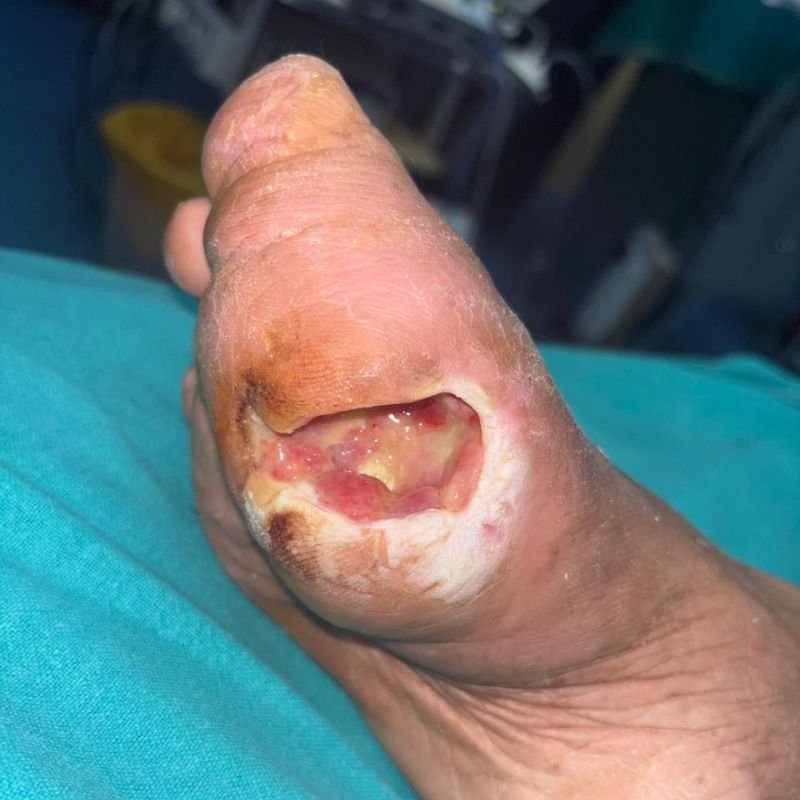
Foot Ulcers

  • Open sores or wounds often appear on pressure points like toes, heels, or the soles, and heal very slowly.
  • Untreated ulcers can deepen, become infected, and lead to severe complications.

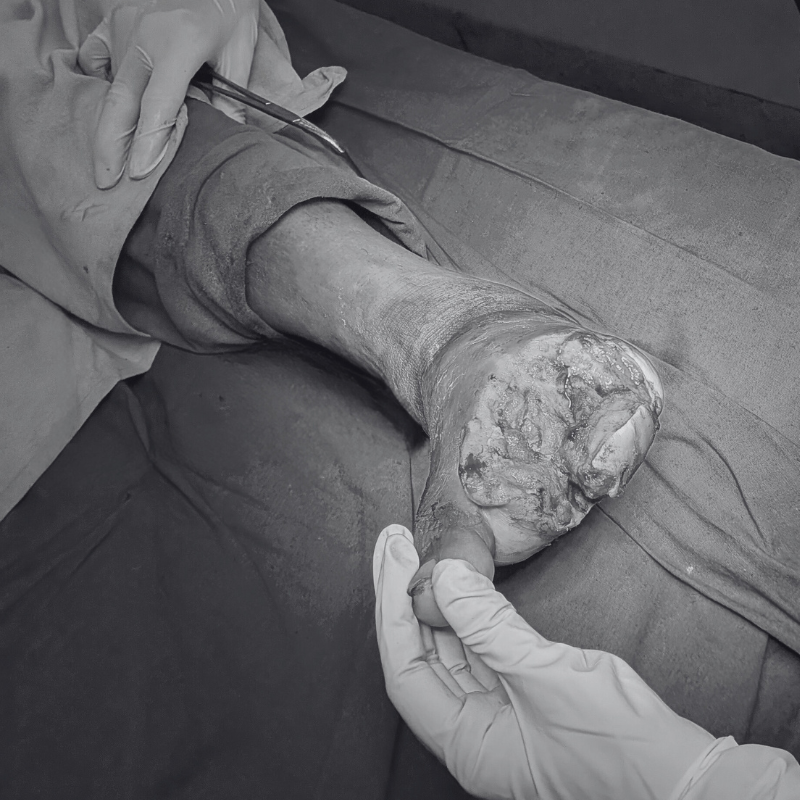
Gangrene

  • When blood supply is critically reduced & infections are untreated, tissues may die, causing gangrene.
  • Foot appears black or dark, feels cold or numb, and require urgent medical attention to prevent amputation.

Treatment Options for DFU

The goal of treatment is to promote wound healing, improve circulation, and reduce the risk of gangrene or amputation.
Preventive Measures

Preventive Measures

  • Maintaining stable blood sugar levels supports faster wound healing and prevents further damage to nerves and blood vessels.
  • Examine and clean your feet daily, especially between the toes. Early detection of wounds helps prevent severe infections.
  • Keep the feet dry, wear cotton socks, and avoid walking barefoot to minimise injury and infection risk.

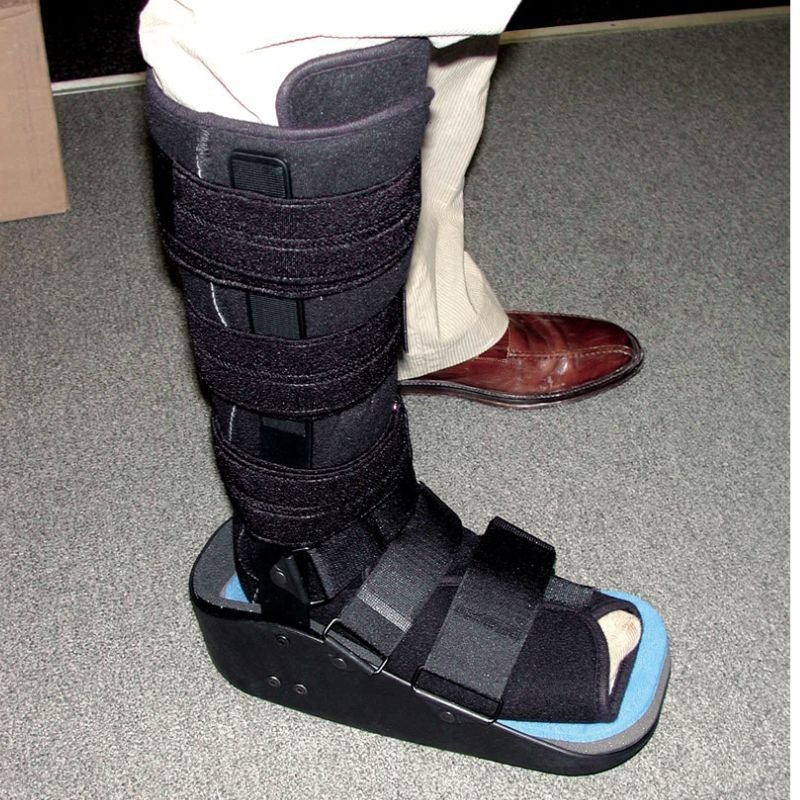
Offloading Footwear

  • Offloading redistributes body weight evenly across the foot using specialised footwear or insoles to reduce pressure on ulcer sites.
  • At CIIVES’ Diabetic Foot Clinic, we provide custom-made footwear designed to offload pressure points, promote faster healing, and maintain a balanced gait.
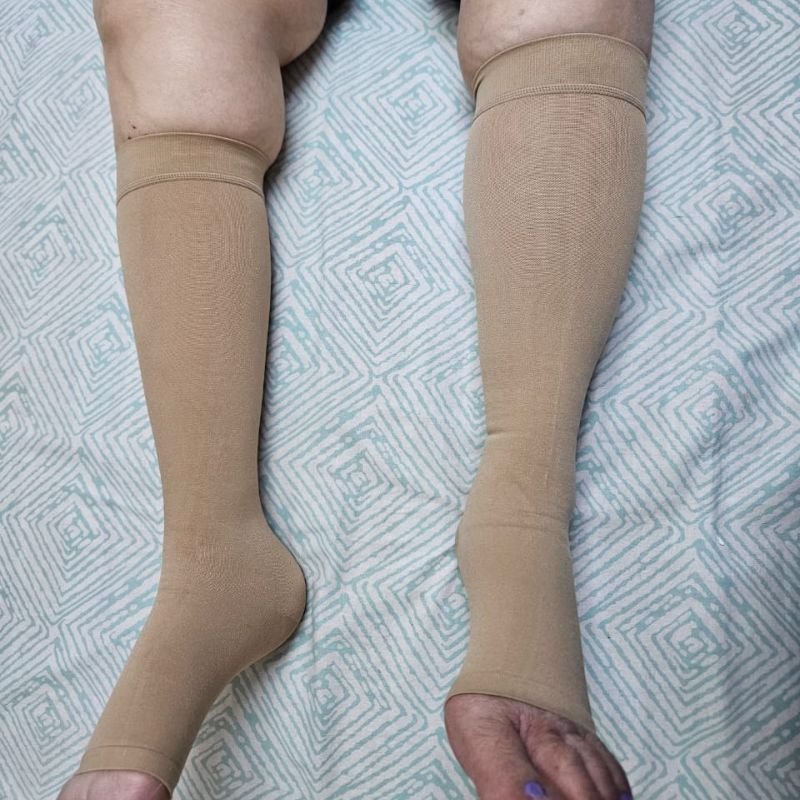
Compression stockings support the veins and prevent blood pooling.

Compression Stockings

  • Wear compression stockings during the day as advised to improve venous return and reduce swelling.
  • We understand that standard stockings can be uncomfortable, which is why at CIIVES, we provide custom-made stockings tailored to your measurements.

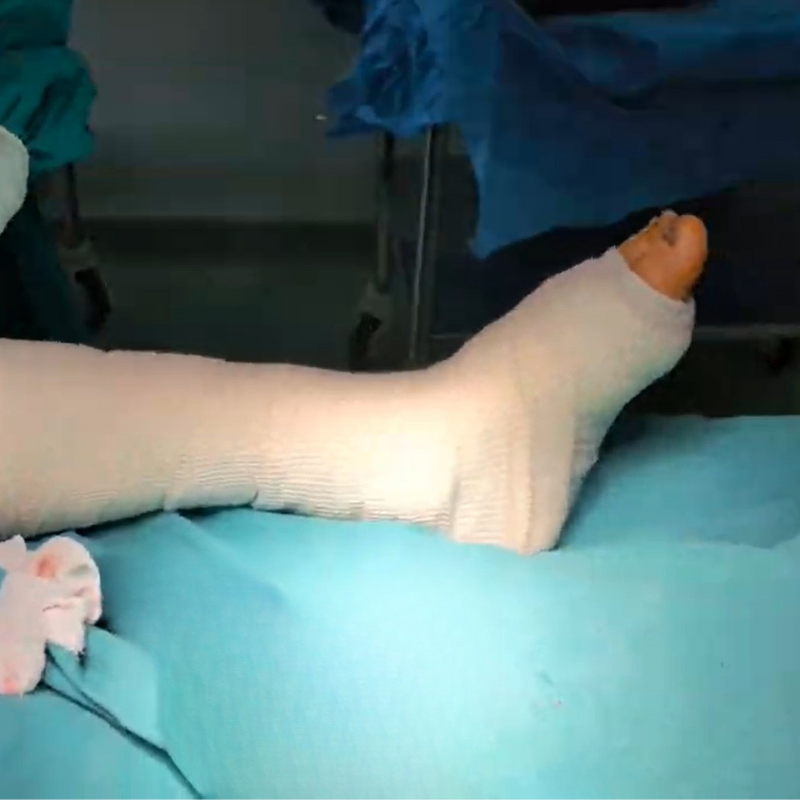
Compression Therapy

  • Multi-layer compression dressings (such as 3-layer or 4-layer systems) help prevent blood pooling in the legs and enhance circulation.
  • Lymphapress therapy may also be used to improve lymphatic drainage in patients with chronic swelling or venous insufficiency.

Advanced Wound Care

  • Specialised dressings such as hydrocolloid, foam, or antimicrobial dressings are selected based on wound depth, discharge, and infection risk.
  • Regular dressing changes and close monitoring promote tissue regeneration and prevent infection spread.

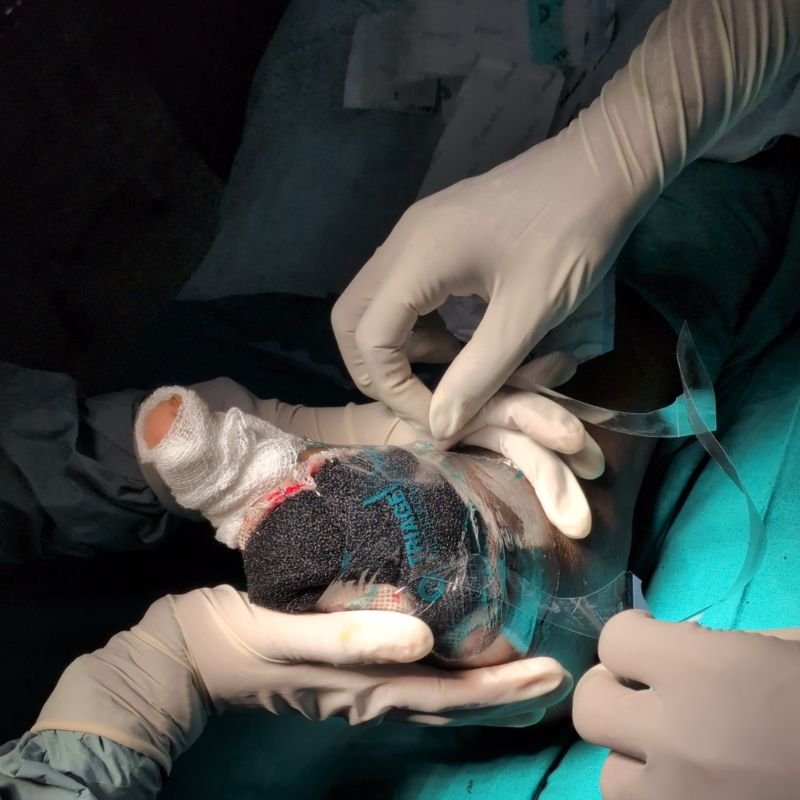
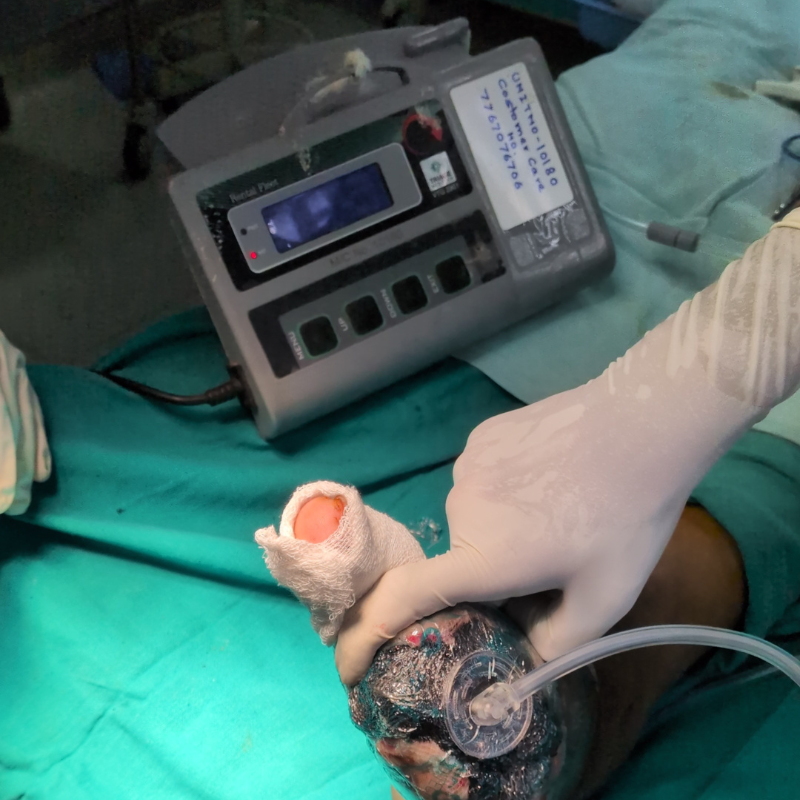
VAC (Negative Pressure Wound Therapy)

  • VAC therapy uses gentle suction to remove fluid and infection from the wound site.
  • It stimulates healthy tissue formation, accelerates healing, and reduces the frequency of dressing changes.

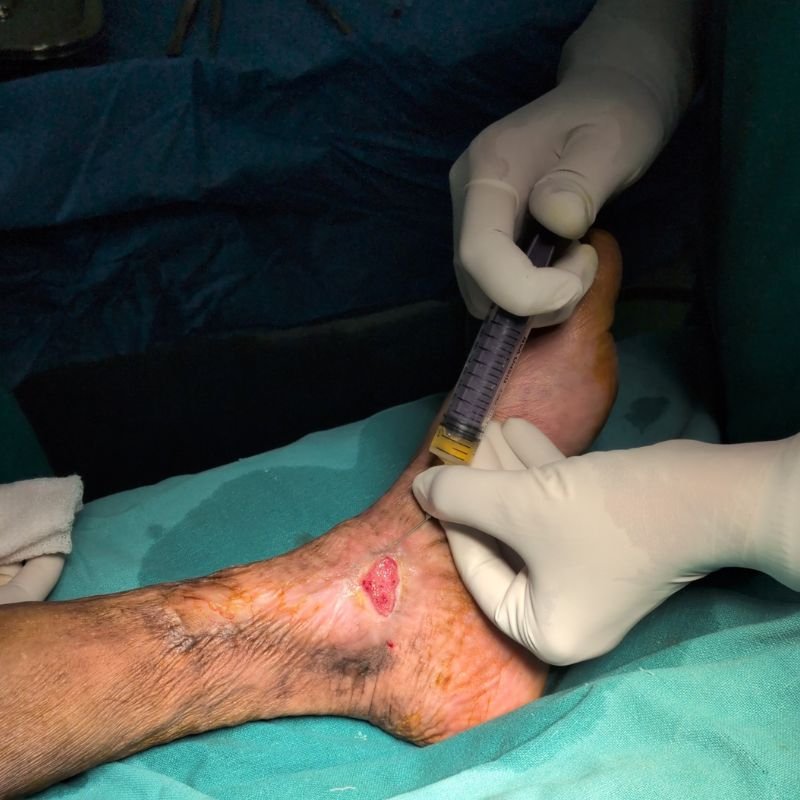
PRP (Platelet-Rich Plasma) Therapy

  • PRP uses your own blood components rich in growth factors to boost healing in chronic or ischemic ulcers.
  • It enhances tissue regeneration and microcirculation in areas with poor blood flow.

Surgery

  • Surgical options may include debridement (removal of dead or infected tissue) or correction of deformities that create pressure points.
  • In advanced cases, surgery may be performed to remove arterial blockages and preserve limb function.

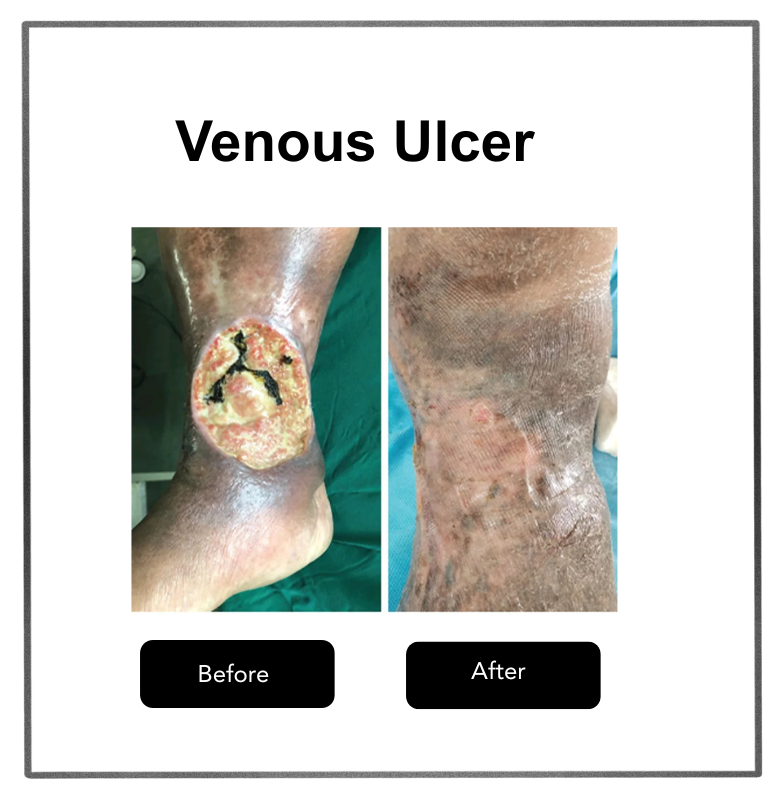
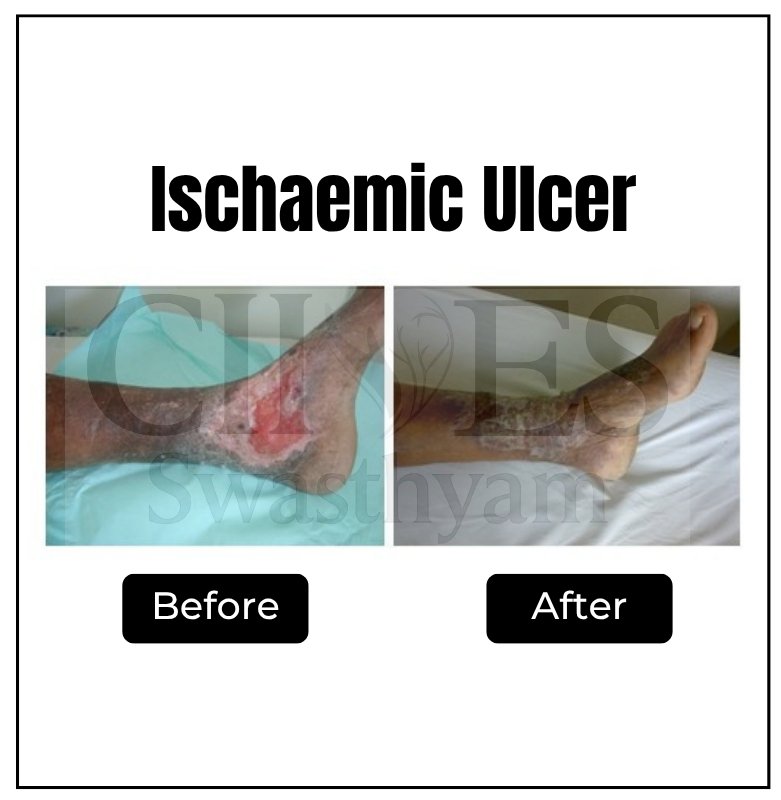
Real Results: Before & After

Discover how minimally invasive treatments help relieve pain and improve the appearance of legs.

Resources

Watch expert videos to understand how diabetes affects your feet and how timely vascular intervention can prevent severe infections and amputations.

Read More

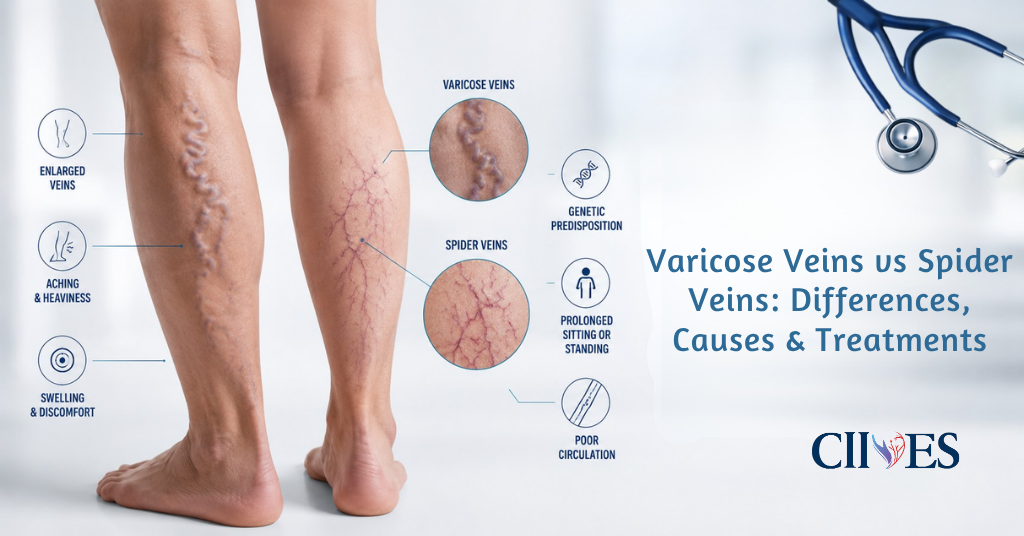
Explore related articles to know more about Varicose Vein, ways to prevent it, and how to care for yourself after treatment.

Need More Help?

If you’re a diabetic, schedule a consultation with our team for a detailed diabetic foot assessment.